Latest Comments


Signs Your Computer Needs an Upgrade
Signs that your computer may require an upgrade include slow performance, frequent crashes, software incompatibility, insufficient RAM, outdated hardware, overheating, limited storage space, graphical issues,[…]
How to Protect Your Wi-Fi: Top Security Measures
To secure your Wi-Fi network, change the default password, enable WPA3 or WPA2 encryption, disable SSID broadcasting, and implement MAC address filtering. Limit DHCP leases,[…]
Can I use a VPN on my home network?
Yes, using a VPN on your home network is possible by setting it up directly on your router, which ensures that all devices connected to[…]
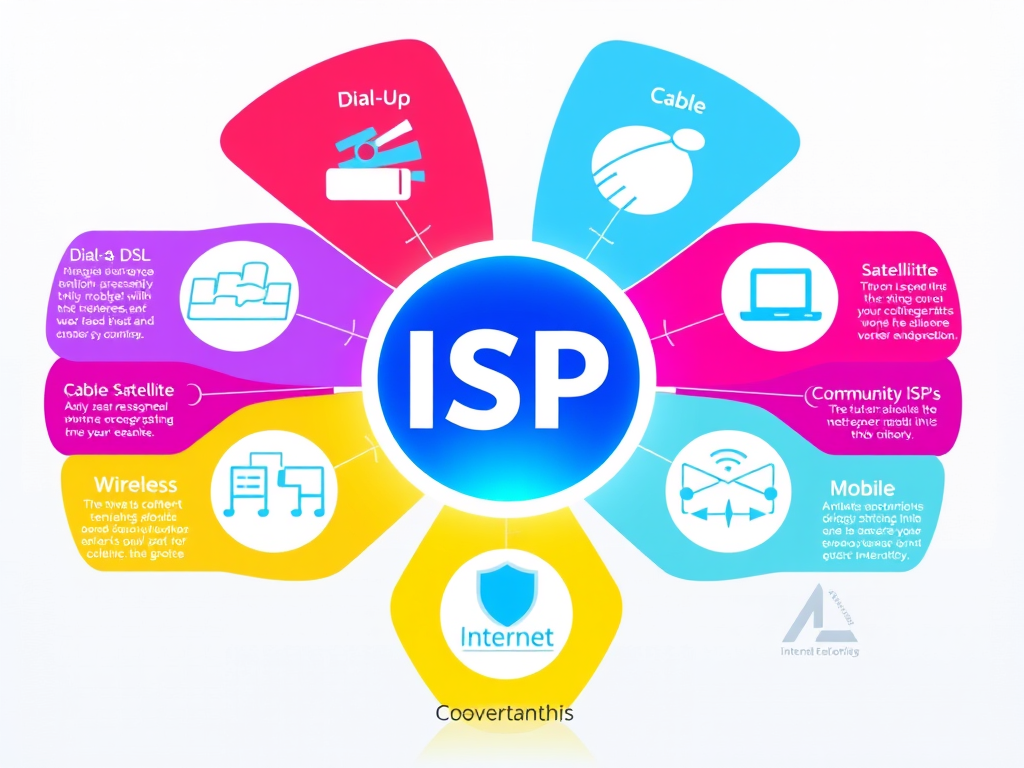
Understanding Different Types of Internet Service Providers
There are various types of Internet Service Providers (ISPs) tailored to different user needs. Dial-Up ISPs connect via telephone lines, providing slower speeds for light[…]
Understanding Wi-Fi Technology and Its Key Components
Wi-Fi technology enables wireless communication over a local area network (LAN). Here’s a breakdown of how Wi-Fi works and its key components: What is Wi-Fi?[…]
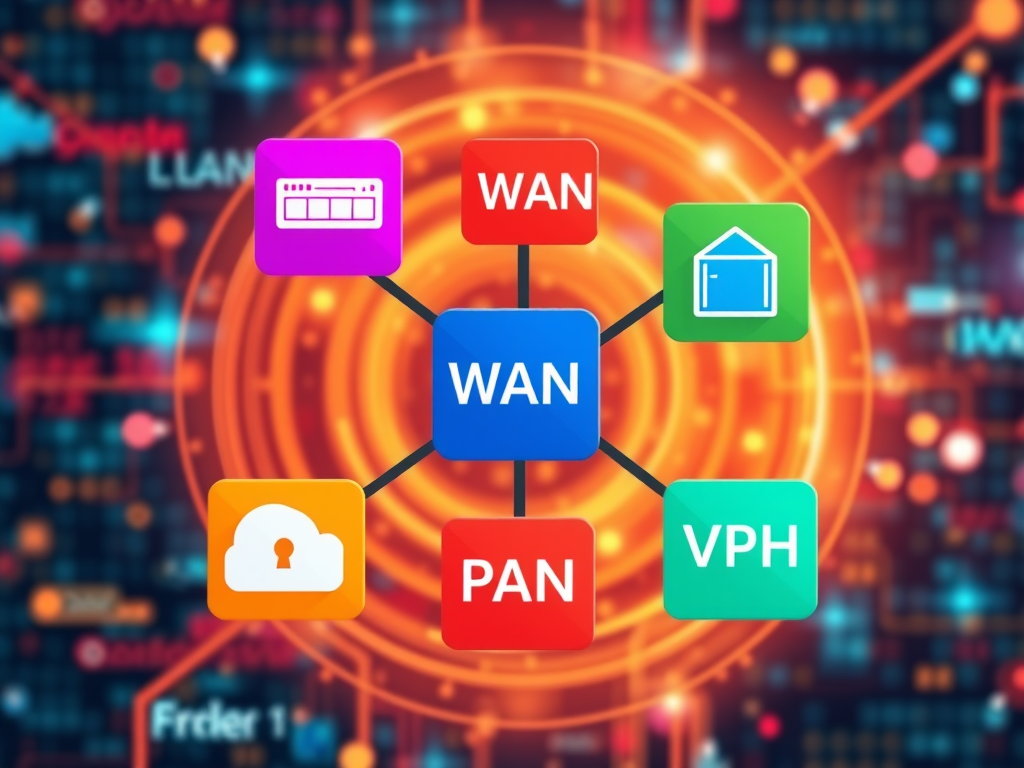
Understanding LAN, WAN, MAN, PAN, and VPN Networks
This content outlines the advantages and disadvantages of five different network types: LAN, WAN, MAN, PAN, and VPN. LANs provide high speeds and cost-effectiveness but[…]
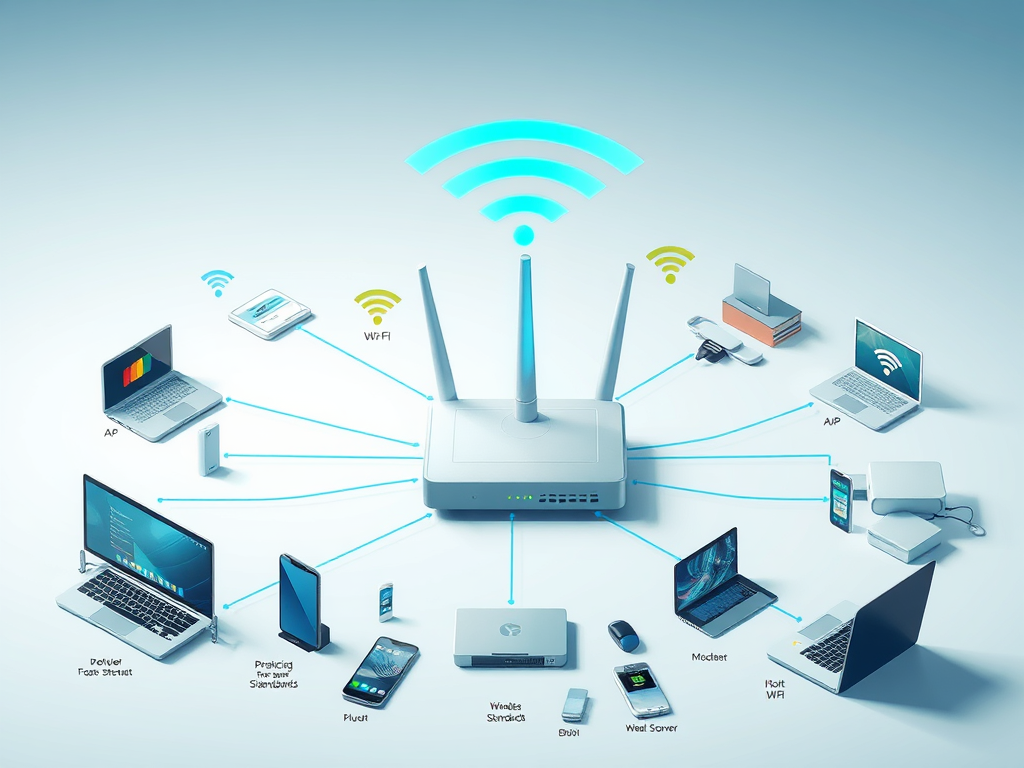
Key Elements of a Wi-Fi Network Explained
A Wi-Fi network consists of several key elements: an Access Point (AP) creates a wireless local area network (WLAN) for device connectivity, while a router[…]
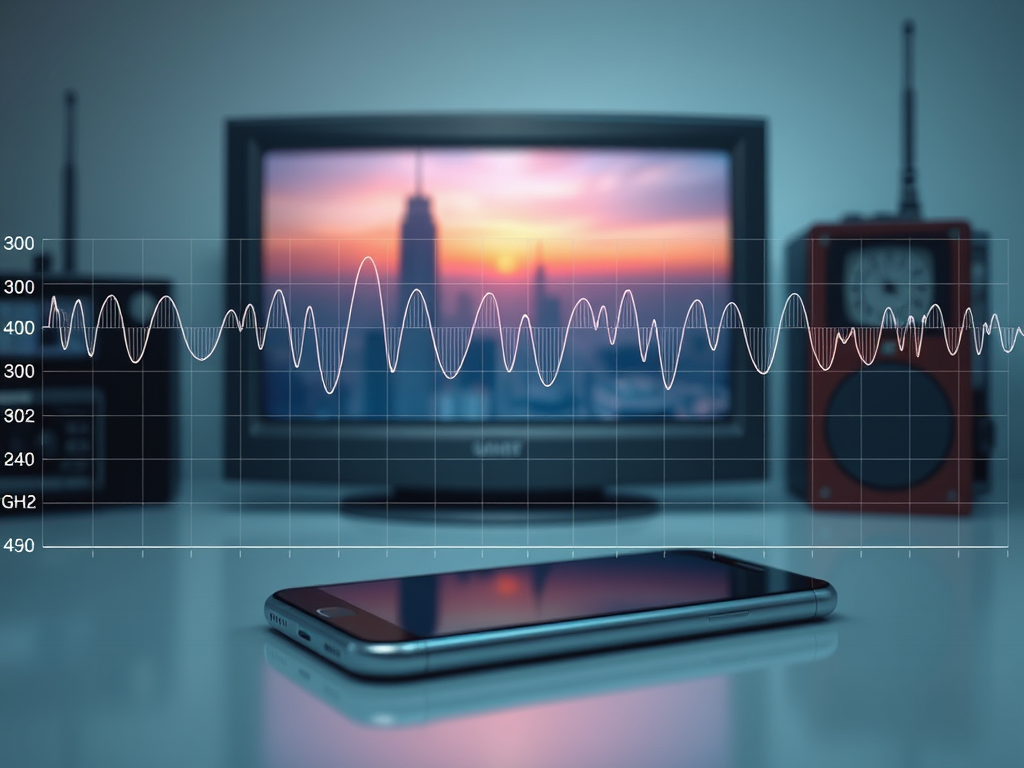
Understanding UHF Transmission Wavelengths
Ultra high-frequency (UHF) transmission operates within a wavelength range of about 1 meter to 10 centimeters, corresponding to frequencies from 300 MHz to 3 GHz.[…]
Understanding the Internet: Structure and Function
The internet is a global network composed of interconnected private, public, academic, business, and government networks. It includes various types of networks like LANs and[…]

Health Impacts of Wi-Fi: What the Research Says
The debate surrounding the health effects of Wi-Fi is ongoing, with some studies indicating potential biological impacts from long-term exposure to radiofrequency electromagnetic fields. However,[…]

Understanding IEEE 802.11g Throughput
The IEEE 802.11g standard has a theoretical maximum throughput of 54 Mbps under ideal conditions. In real-world situations, this throughput is generally reduced due to[…]
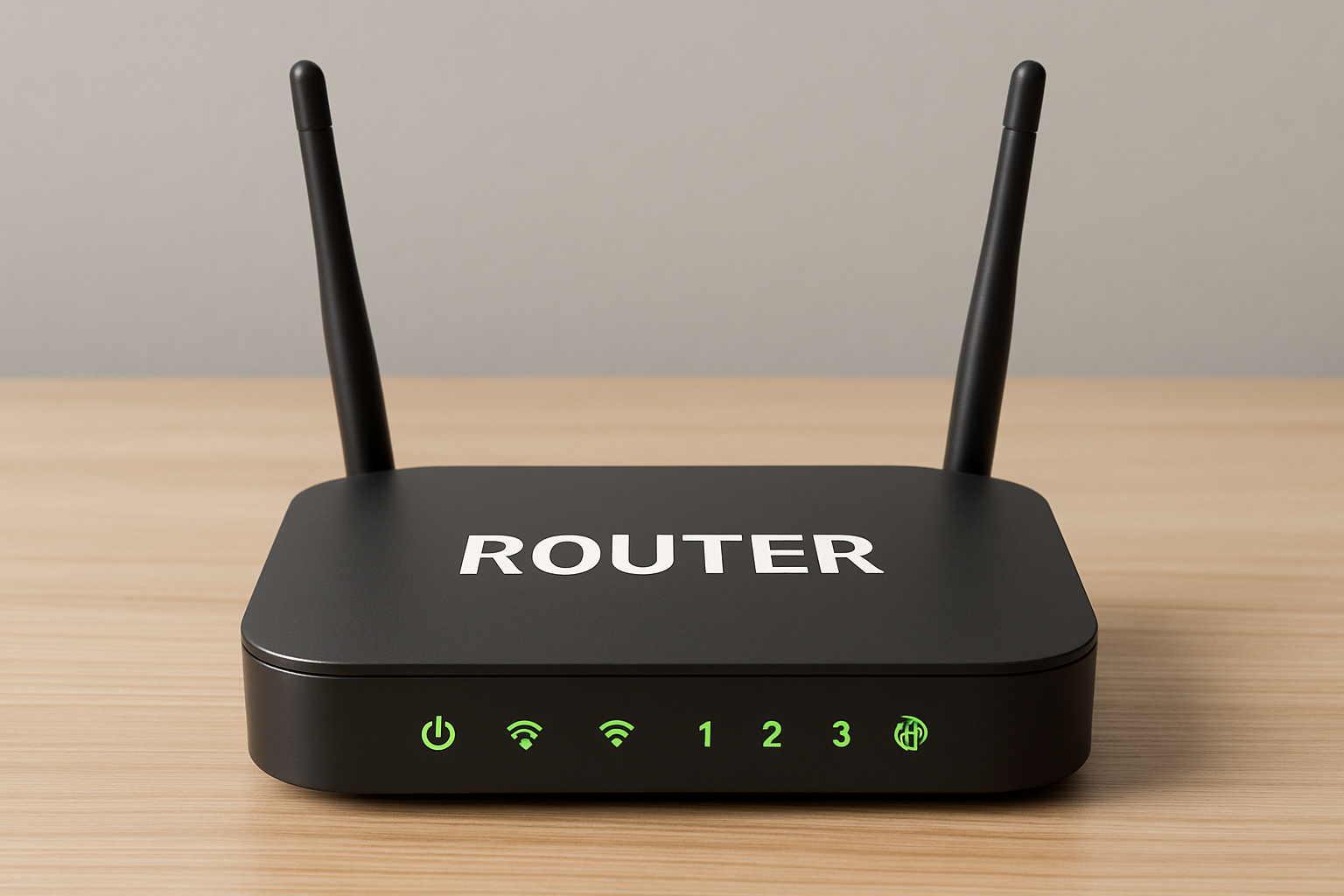
What is a router?
A router is a networking device that directs data packets between computer. It functions by analyzing the destination IP addresses of incoming data and determining[…]
The Evolution of 3G Wireless Technology
Wireless technology 3G was developed in the late 1990s, culminating in the completion of initial standards by the International Telecommunication Union (ITU) in 1998. The[…]

Understanding Metropolitan Area Networks: Key Features Explained
A Metropolitan Area Network (MAN) is a computer network that covers a large city or specific geographic region, typically between 5 to 50 kilometers. It[…]

Understanding WPA2: Secure Your Wireless Network
WPA2 (Wi-Fi Protected Access II) is crucial for wireless network security, employing the Advanced Encryption Standard (AES) for high-level data encryption. It features two authentication[…]

How Routers Enhance Your Home Network
A network router facilitates connectivity for multiple devices, such as computers and smartphones, using a single broadband connection. It efficiently directs data traffic within the[…]

How to Configure Your Office Network: A Simple Guide
Setting up an office network can be straightforward with a structured approach. Start by gathering essential equipment, including a router, modem, cables, and devices. Connect[…]
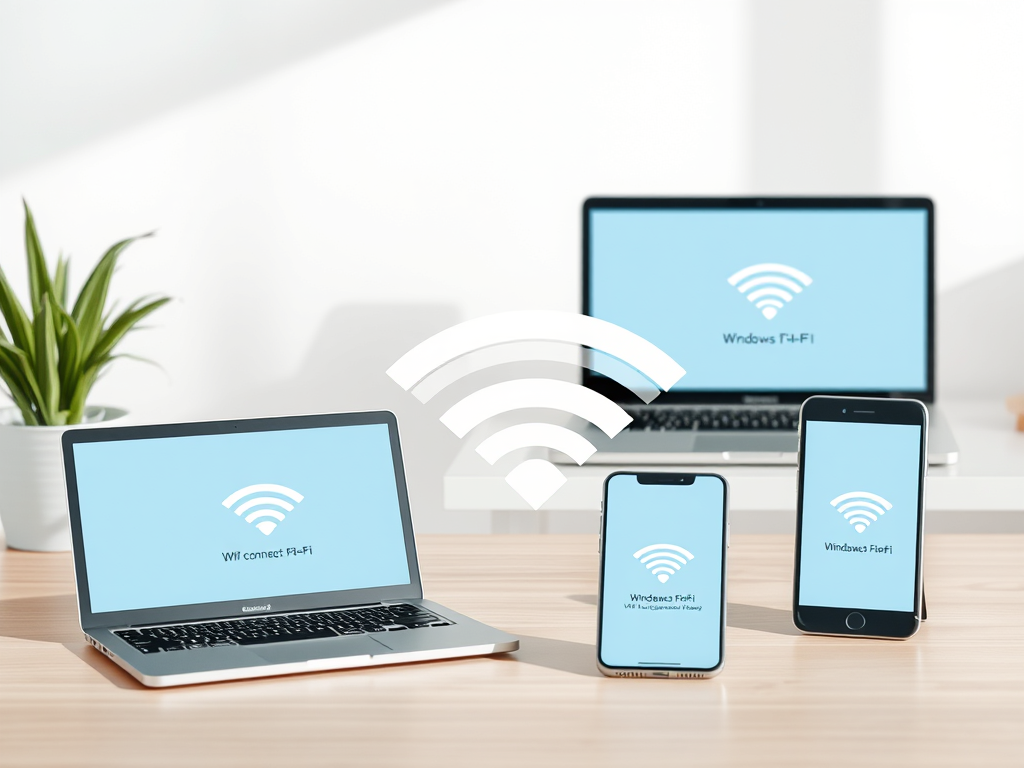
How to Connect to Wi-Fi on Any Device
To connect to a Wi-Fi network, users should follow specific steps for their devices. On Windows, click the Wi-Fi icon in the system tray, select[…]
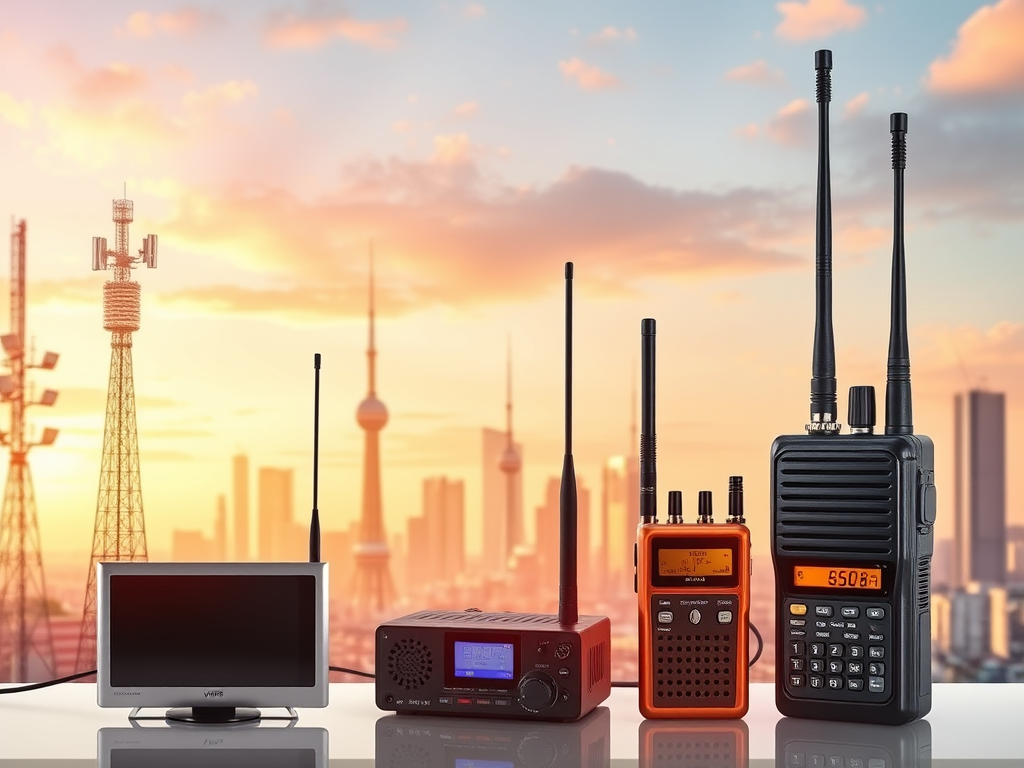
Applications of VHF: TV, FM Radio, and More
The very high-frequency (VHF) transmission range, which extends from 30 MHz to 300 MHz, is utilized in various applications, including television broadcasts, FM radio, and[…]
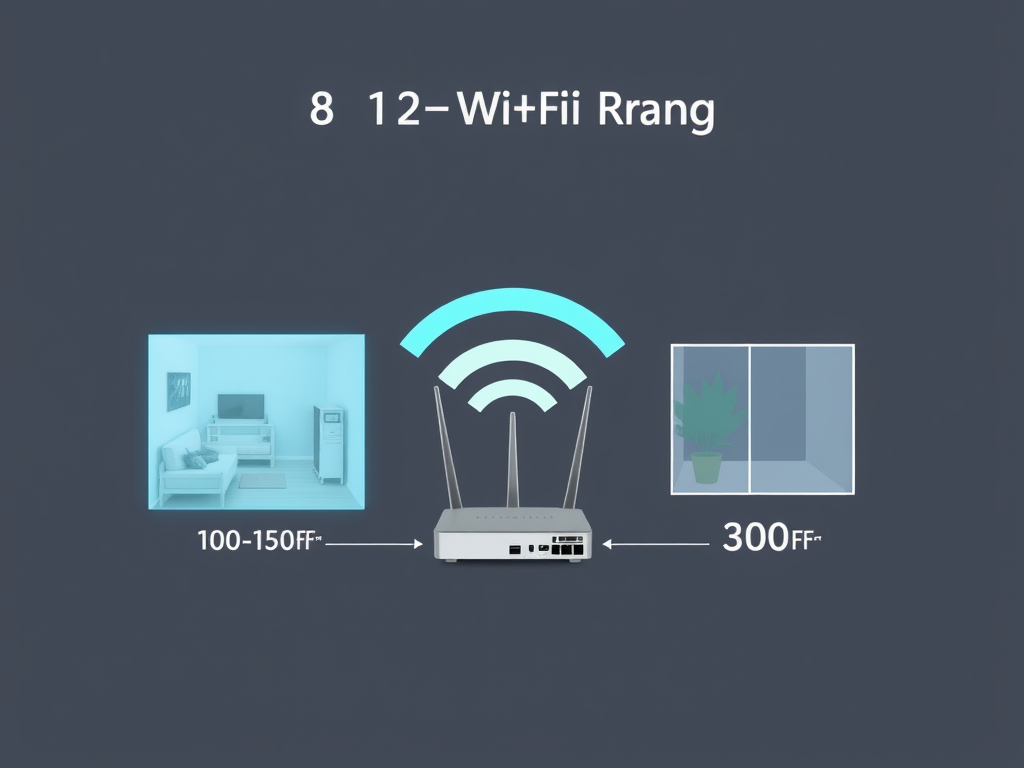
Understanding 802.11b Range: Key Insights
The range of the 802.11b standard is typically about 100 to 150 feet (30 to 45 meters) indoors and can extend up to 300 feet[…]

Why You Should Use Multiple Locations for Data Backup
Storing backups in multiple locations offers several advantages. It enhances disaster recovery by safeguarding data against local catastrophes like fires or floods. Redundancy ensures data[…]
What is an SSID and Why It Matters for Your Wi-Fi Network
The Service Set Identifier (SSID) is a unique name used by wireless networks to identify themselves. It serves as a means for users to select[…]

Understanding WiMAX Throughput: Key Factors and Metrics
The throughput of the IEEE standard 802.16d, known as WiMAX, can fluctuate based on factors like network configuration, signal quality, and user density. In ideal[…]
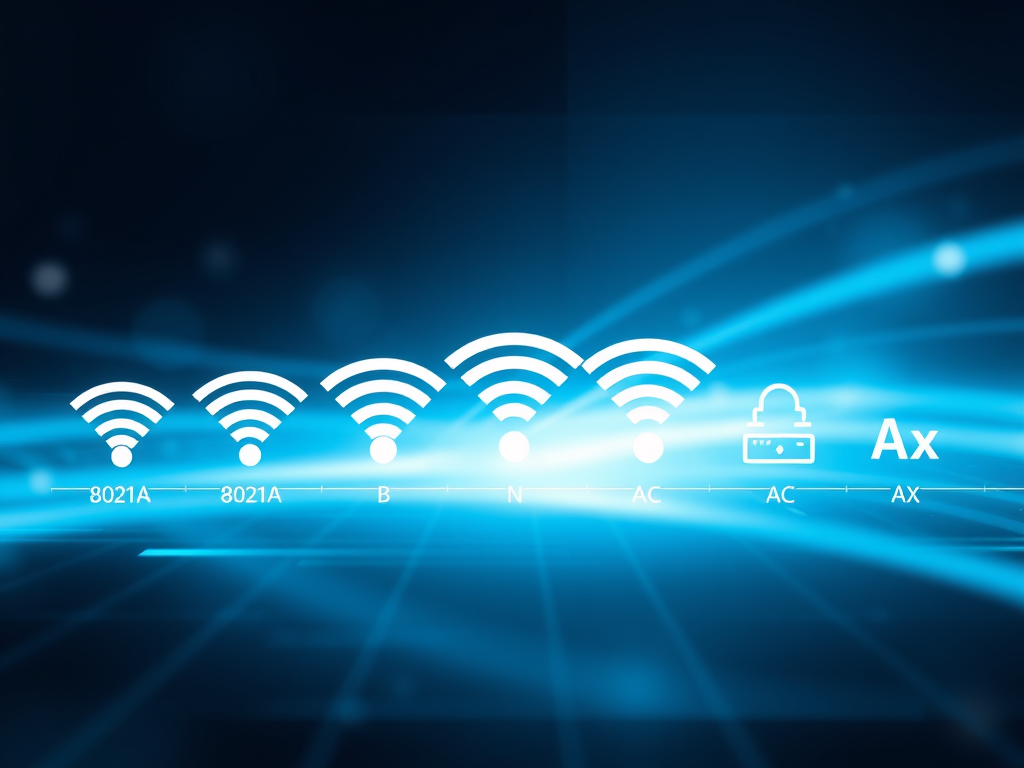
Understanding Wi-Fi Standards: A Complete Guide
Wi-Fi technology operates on standards defined by the IEEE 802.11 family, supporting wireless local area networks (WLANs). The key standards include 802.11a (5 GHz, 54[…]
What do I do if my computer don’t work after a recent software update?
If your computer malfunctions after a software update, several troubleshooting steps can help. First, restart your computer to clear temporary glitches. Next, check for any[…]