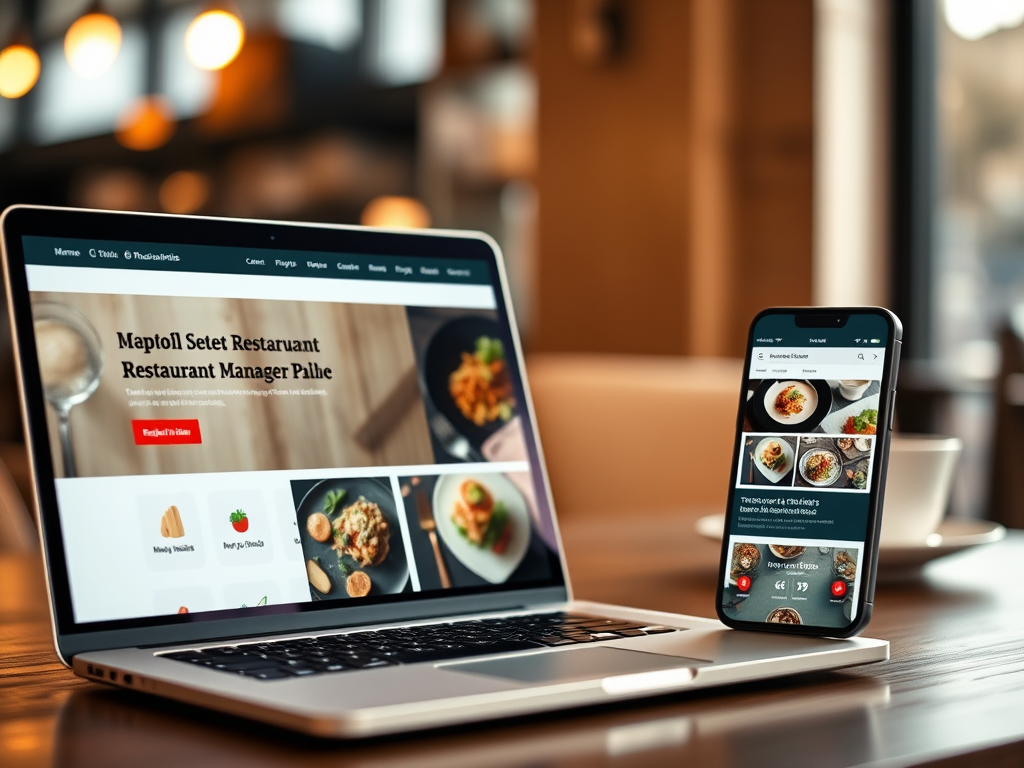
What Type of Website Does a Restaurant Need? A Practical Guide for Managers
A restaurant website should do more than look attractive. It should help customers quickly find the information they need, including your menu, location, hours, reservation options, and contact details.
For restaurant managers, the best website is simple, mobile-friendly, easy to update, and designed around customer actions such as booking a table, placing an order, or viewing today’s menu. A well-planned website can support daily operations while giving potential guests a strong first impression of your restaurant.
Essential Website Features for Restaurants
Every restaurant website should begin with clear, easy-to-access information. Visitors should be able to find your menu, opening hours, address, phone number, and reservation options within a few clicks.
Your menu page is one of the most important parts of the site. Keep it updated, use clear descriptions, and include pricing when possible. If your restaurant serves vegetarian, vegan, gluten-free, or allergy-friendly options, make that information easy to see.
High-quality food photography can also improve the user experience, but images should be optimized so they do not slow down the site. A fast-loading website is especially important for mobile visitors who may be searching while nearby or on the go.
Useful restaurant website features include:
- A mobile-friendly menu
- Online reservations or table booking
- Online ordering, if applicable
- Click-to-call phone number
- Google Maps location integration
- Opening hours and holiday updates
- Contact form or direct email link
- Customer reviews or testimonials
- Clear calls to action such as “Book a Table” or “View Menu”
If you need help planning or building these features, Archer IT Solutions offers Web Design Services for businesses that need a professional, functional website.
Choose a Design That Matches Your Restaurant Brand
The right design depends on the type of restaurant you manage. A fine-dining restaurant may benefit from a clean, elegant layout with professional photography and minimal distractions. A casual café, diner, or family restaurant may work better with warm colors, friendly messaging, and quick access to menus and ordering options.
Design should support the customer journey. Avoid cluttered pages, hard-to-read fonts, and navigation menus with too many options. Most visitors come to a restaurant website with a specific goal, so make the most important details easy to find.
For example, your homepage should quickly answer:
- What type of food do you serve?
- Where are you located?
- Are you open now?
- Can customers reserve a table or order online?
- What makes your restaurant worth visiting?
Strong calls to action should appear near the top of the page and again throughout the site where appropriate. Common examples include “Reserve a Table,” “Order Online,” “View the Menu,” and “Get Directions.”
Make Mobile Performance a Priority
Many restaurant searches happen on mobile devices. Customers may be looking for a place to eat nearby, checking your hours, or trying to call while traveling. If your website is difficult to use on a phone, you may lose potential customers.
A good restaurant website should:
- Load quickly
- Display correctly on all screen sizes
- Use large, easy-to-tap buttons
- Keep menus readable on mobile
- Make phone numbers and directions clickable
- Avoid pop-ups that block important information
Reliable hosting also matters. Slow pages, downtime, or security issues can create a poor experience for customers. Archer IT Solutions provides Web Hosting options that can support business websites with performance, reliability, and security in mind.
Include Local SEO Basics
Restaurant websites should be optimized for local search. This helps people in your area find your business when searching for terms related to your cuisine, location, or dining experience.
Important local SEO elements include:
- Your restaurant name, address, and phone number
- Consistent business information across your website and listings
- Location-specific page content
- Embedded map or directions
- Updated Google Business Profile
- Customer reviews and review links
- Descriptive page titles and meta descriptions
You can also add helpful content such as parking information, private dining details, catering options, accessibility information, or answers to common customer questions.
For local visibility, restaurant managers should also review and update their Google Business Profile.
Advanced Features: When Are They Worth It?
Some restaurants may benefit from advanced website features, but they should be added only when they support a clear business goal.
Advanced features may include:
- Online ordering systems
- Loyalty program integrations
- Gift card sales
- Event booking forms
- Live chat
- Email newsletter sign-ups
- Private dining inquiry forms
- Embedded videos or virtual tours
These features can improve convenience and customer engagement, but they may also require more setup, maintenance, and staff training. Before adding them, consider whether they will make the customer experience easier or simply add complexity.
Common Restaurant Website Problems to Avoid
A restaurant website should be easy to use and easy to maintain. Common issues include outdated menus, broken reservation links, slow-loading images, missing hours, and contact details that are hard to find.
If your website feels slow, confusing, or outdated, start by reviewing:
- Page speed
- Mobile layout
- Image file sizes
- Navigation structure
- Broken links
- Menu accuracy
- Reservation and ordering forms
- Security updates
For technical support, Archer IT Solutions offers Managed IT Services and Onsite or Remote Support to help businesses maintain reliable digital systems.
Final Thoughts
The best restaurant website is one that helps customers take action quickly. It should clearly show your menu, location, hours, reservation options, and brand personality while working smoothly on mobile devices.
For restaurant managers, a strong website can support both marketing and operations. By focusing on usability, accurate information, local SEO, and reliable performance, your website can become a valuable tool for attracting guests and improving the customer experience.
If you are planning a new restaurant website or improving an existing one, Archer IT Solutions can help with web design, hosting, and technical support. Visit www.archer-its.com or contact info@archer-its.com for more information.
Ready to improve your restaurant’s online presence? Visit Archer IT Solutions Web Design Services or contact sales@archer-its.com to discuss your project.
Google Business Profile for Restaurants — useful for managing local visibility, business details, and customer reviews.


No responses yet