Understanding ISM and UNII Frequency Band Licensing
In today’s hyper-connected environment, understanding frequency band licensing is no longer optional—it’s essential. Both ISM (Industrial, Scientific, and Medical) and UNII (Unlicensed National Information Infrastructure) bands play a vital role in powering the wireless world we depend on daily. From office Wi-Fi to industrial IoT applications, the balance between licensed and unlicensed usage ensures reliable connectivity while minimizing interference and regulatory issues.
Understanding ISM and UNII Bands in Modern Networks
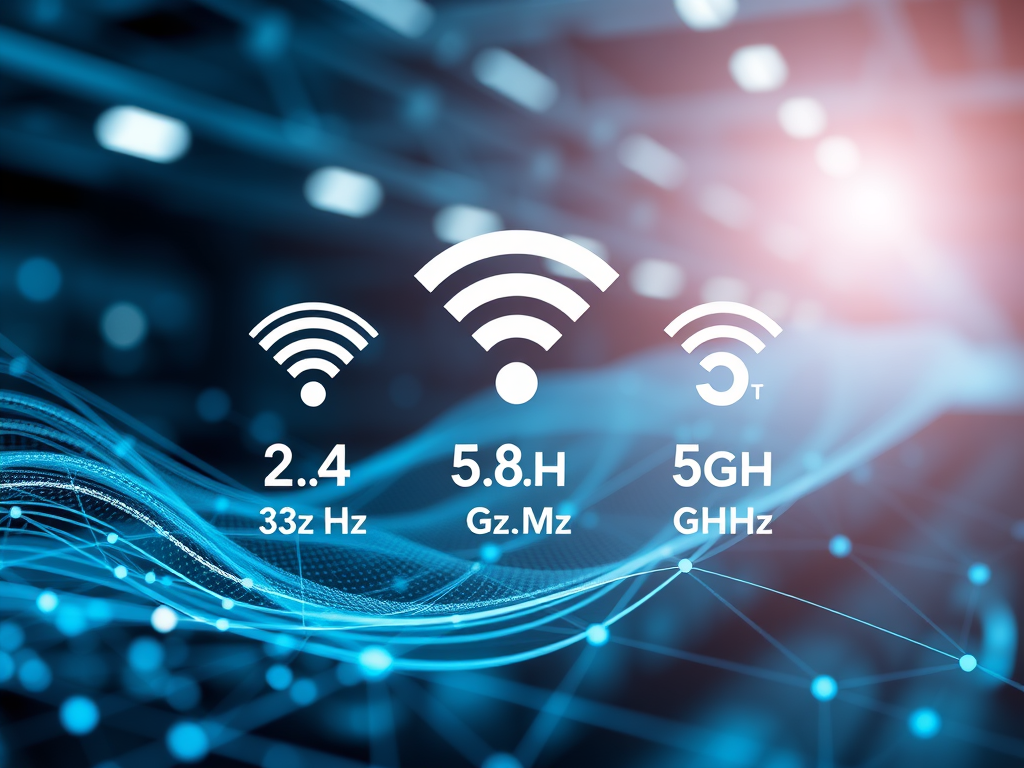
The ISM bands are globally reserved frequency ranges originally intended for non-communication devices like microwave ovens and medical equipment but now heavily used for communications—particularly Wi-Fi, Bluetooth, and RFID systems. These bands, such as 2.4 GHz and 5.8 GHz, are unlicensed, meaning anyone can use them as long as they comply with power and interference regulations. More than 70% of consumer wireless devices worldwide operate in ISM bands, according to IEEE data (2023).
The UNII bands, typically grouped within the 5 GHz and now the 6 GHz spectrum, are used for more advanced Wi-Fi standards (like Wi-Fi 6 and Wi-Fi 6E). The Federal Communications Commission (FCC) designates multiple UNII sub-bands, including UNII-1, UNII-2, and UNII-3, to balance licensed and unlicensed usage. These ranges offer higher speeds but often shorter ranges due to increased frequency attenuation.
Key Takeaways:
- ISM and UNII are mostly license-free spectra, but with strict usage limits.
- Licensed spectrum use ensures protected communication channels for critical systems.
- ISM offers broad compatibility across devices, while UNII provides greater capacity and higher throughput.
Summary:
ISM and UNII bands are integral to wireless networks, ensuring flexibility and innovation while balancing global access and regulatory compliance.
Licensing Rules and Best Practices for ISM and UNII Use
Although ISM and UNII are primarily unlicensed bands, they aren’t entirely free-for-all zones. Regulations by bodies like the FCC (U.S.), ETSI (Europe), and Ofcom (UK) define power limits, antenna specifications, and operational boundaries. Users must adhere to maximum effective isotropic radiated power (EIRP) limits and avoid interference with licensed services such as radar and satellite communications. More information can be found at FCC Wireless Services and ETSI Radio Spectrum.
For network engineers and businesses, compliance involves proper device configuration, channel selection, and environment-specific frequency planning. Tools like Wi-Fi spectrum analyzers and firmware updates help avoid congestion and interference. Additionally, integration with managed IT services, such as those offered by Archer IT Solutions, ensures optimal performance for web hosting and onsite technical environments.
Pros and Cons of Unlicensed Operation:
- Pros: Cost-effective, easy deployment, global access, and wide device support.
- Cons: Susceptible to interference, shared bandwidth, and lower security guarantees.
Summary:
While unlicensed use simplifies network expansion, adherence to technical and legal standards is key to maintaining stable connectivity and preventing compliance issues.
Troubleshooting Compatibility and Compliance Issues
When working with devices using ISM or UNII bands, plugin and driver mismatches are common challenges—especially when integrating access points or IoT devices from multiple manufacturers. Issues such as firmware incompatibility, mismatched channel widths, or outdated drivers often cause reduced speeds or dropouts. Keeping firmware updated and conducting routine spectrum scans can mitigate those issues.
Businesses using Archer IT Solutions’ technical support (support@archer-its.com) benefit from expert assistance with remote or onsite wireless troubleshooting. Their managed support teams handle plugin conflicts, router synchronization, and interference analysis, ensuring business continuity with minimal downtime.
For additional guidance on network compatibility:
Summary:
Effective troubleshooting combines technical expertise and proactive maintenance to ensure sustainable, interference-free operations across ISM and UNII networks.
Understanding ISM and UNII band licensing ensures seamless connectivity, efficient spectrum use, and organizational compliance. Whether you’re setting up secure Wi-Fi environments or managing enterprise-level wireless deployments, relying on trusted IT partners like Archer IT Solutions streamlines everything from configuration to long-term maintenance.
If you’re uncertain where your network stands—reach out via support@archer-its.com or visit archer-its.com/ticket. Take control of your connectivity today and empower your business with compliant, high-performing wireless networks.
Discover more from Archer IT Solutons
Subscribe to get the latest posts sent to your email.


No responses yet