Understanding the Fundamentals of MySQL Databases
MySQL is one of the most widely used relational database management systems (RDBMS) in the world. Known for its open-source flexibility, scalability, and strong community support, it powers everything from small blogs to enterprise-level applications. This article explores the fundamental components, architecture, challenges, and solutions of MySQL databases — offering insights for beginners and professionals alike.

Key Components and Architecture of MySQL Databases
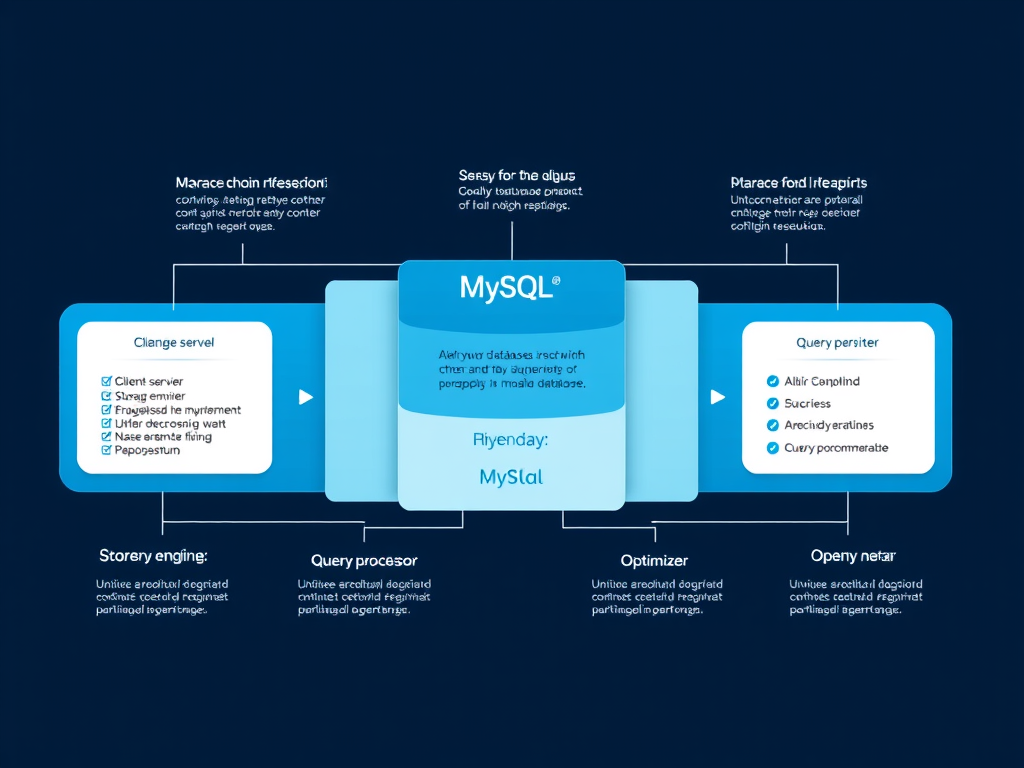
MySQL operates on a client-server architecture, which means users interact with the MySQL server through a client interface. The server is responsible for managing database objects such as tables, views, and indexes. Clients make use of SQL (Structured Query Language) to retrieve or manipulate data, enabling seamless communication between applications and stored information.
At its core, MySQL’s components include the storage engine, query processor, optimizer, and cache memory. The storage engine, such as InnoDB or MyISAM, determines how data is stored and retrieved physically. InnoDB is the default engine, offering support for transactions and foreign keys, which ensures data integrity. The optimizer ensures that SQL queries are executed efficiently, using indexes and execution plans to minimize resource usage.
Additionally, MySQL supports robust data security and scalability features through replication, user privilege controls, and encryption. According to DB-Engines, MySQL consistently ranks among the top three databases worldwide, holding nearly 15% of total database usage share as of 2024. This reliability makes it a go-to choice for developers and businesses.
Key Takeaways:
- MySQL follows a modular client-server model.
- Storage engines manage how data is stored and retrieved.
- Scalability and replication make it suitable for small to large applications.
Summary:
Understanding the architecture of MySQL helps administrators optimize performance, maintain reliability, and manage data efficiently while preparing systems for future growth.
Common MySQL Challenges and Troubleshooting Tips
Despite MySQL’s versatility, users occasionally face challenges such as slow query performance, connection issues, and plugin compatibility problems. For instance, unoptimized SQL queries or missing indexes may drastically slow down response times. The use of tools like MySQL Workbench and the EXPLAIN command helps diagnose and resolve query issues effectively.
Another frequent issue arises with plugin compatibility, especially when using third-party extensions. Plugins might conflict due to version mismatches or memory allocation errors. It’s essential to verify that all plugins are updated and compatible with the MySQL server version in use. In case of crashes or errors, checking the MySQL error log can pinpoint conflicting libraries or extensions. For developers using CMS plugins like WordPress, deactivating all plugins and reactivating them one by one is a common troubleshooting strategy.
From a system administration standpoint, backup and recovery strategies are crucial to prevent data loss. Tools like mysqldump or third-party solutions like Percona XtraBackup provide reliable options for keeping databases safe. However, poor backup configurations or insufficient disk space may cause restoration issues. Addressing storage allocation and scheduling regular backup tests can mitigate these risks.
Pros:
- Open-source and customizable
- Wide community and documentation support
- Cross-platform compatibility
Cons:
- Requires careful tuning for large-scale performance
- Plugin or extension conflicts can cause downtime
- Memory management may need manual configuration
Summary:
Understanding MySQL’s potential pitfalls and learning proper troubleshooting techniques ensures smooth database operations and minimizes downtime.

Useful Resources
Whether you’re managing a small business website or developing enterprise software, learning the fundamentals of MySQL sets the foundation for reliable, efficient database management. Reflect on your organization’s current data infrastructure — does it meet your performance and security expectations? For personalized support and database optimization, reach out to Archer IT Solutions.
For assistance or support:
- Technical Support: Submit a Ticket
- Email: support@archer-its.com
- Sales: sales@archer-its.com
Most inquiries are answered within 24 hours. At Archer IT Solutions, our Web Hosting, Onsite or Remote Support, and Managed IT Services ensure your MySQL databases and digital infrastructure perform at their best.
Discover more from Archer IT Solutons
Subscribe to get the latest posts sent to your email.


No responses yet