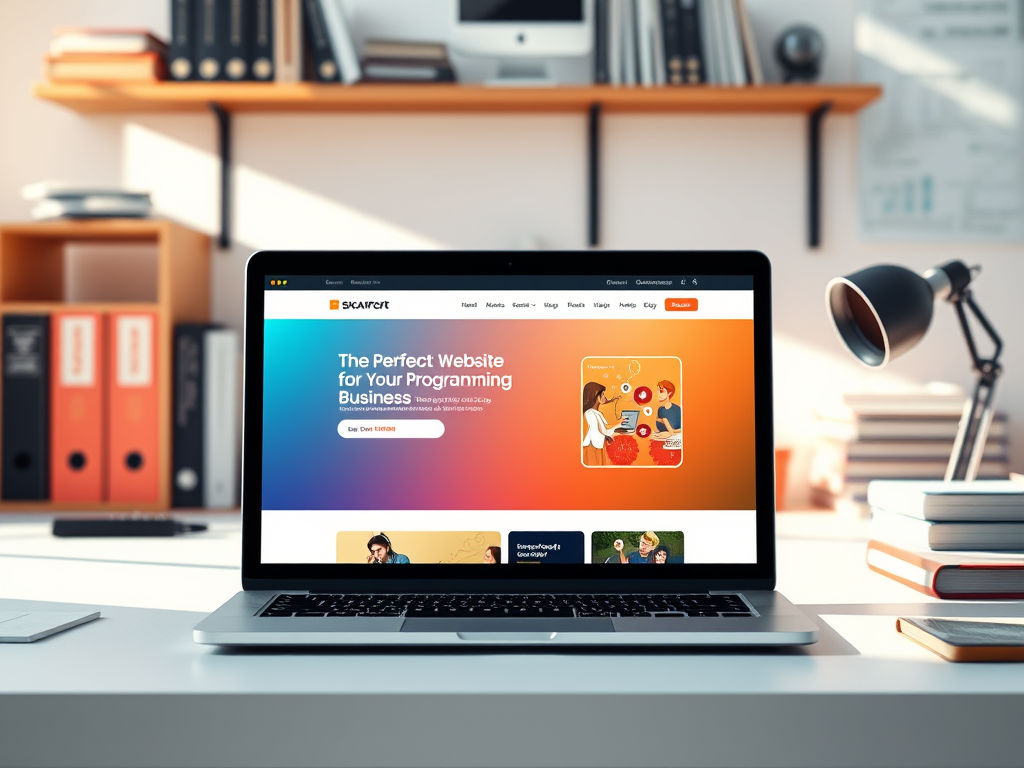
Why Your Programming Business Needs a Website
In today’s digital age, having a website is not just an option but a necessity for any programming business. A website serves as the digital storefront of your business, providing potential clients with a first impression of your brand. It is a platform where you can showcase your skills, services, and past projects, establishing credibility and trust with your audience. Without a website, you risk losing potential clients to competitors who have a strong online presence. A well-designed website can set you apart from the competition, making it easier for clients to find and choose your services over others.
Moreover, a website allows you to reach a global audience, breaking geographical barriers that might limit your business. It provides a 24/7 presence, meaning potential clients can learn about your services at any time, even outside of business hours. This constant availability can lead to increased inquiries and conversions, ultimately boosting your revenue. Additionally, a website can serve as a hub for all your online marketing efforts, integrating with social media, email marketing, and other digital strategies to create a cohesive brand experience. In essence, a website is a powerful tool that can drive growth and success for your programming business.
Choosing the Right Website Platform for You
When it comes to building a website for your programming business, choosing the right platform is crucial. There are numerous options available, each with its own set of features and benefits. For programmers, platforms like WordPress, Joomla, and Drupal offer flexibility and customization, allowing you to tailor your site to meet your specific needs. These platforms are open-source, meaning you can modify the code to create a unique and personalized website. Additionally, they offer a wide range of plugins and themes that can enhance the functionality and appearance of your site.
However, if you prefer a more straightforward approach, website builders like Wix, Squarespace, and Weebly provide user-friendly interfaces with drag-and-drop features. These platforms are ideal for those who want to create a professional-looking website without delving into complex coding. They offer a variety of templates and design options, making it easy to create a visually appealing site. Ultimately, the choice of platform depends on your technical expertise, budget, and the specific needs of your business. Consider your long-term goals and choose a platform that can grow with your business.
Essential Features for a Programmer’s Website
A programmer’s website should include several essential features to effectively showcase your skills and attract potential clients. First and foremost, a portfolio section is crucial. This is where you can display your past projects, highlighting your expertise and the value you bring to clients. Include detailed descriptions, screenshots, and links to live projects if possible. This not only demonstrates your capabilities but also provides social proof of your work. Additionally, a clear and concise services page is important, outlining the specific programming services you offer and how they can benefit potential clients.
Another essential feature is a blog or resource section. This allows you to share your knowledge and insights on programming topics, positioning yourself as an expert in the field. Regularly updated content can also improve your site’s SEO, driving more traffic to your site. Furthermore, ensure your website has a contact page with multiple ways for clients to reach you, such as a contact form, email address, and phone number. This makes it easy for potential clients to get in touch and inquire about your services. Lastly, consider integrating a client login area if you offer ongoing services, providing a secure space for clients to access project updates and resources.
Design Tips to Make Your Site Stand Out
The design of your website plays a significant role in attracting and retaining visitors. To make your site stand out, focus on creating a clean and professional design that reflects your brand identity. Use a consistent color scheme and typography that aligns with your brand, and ensure your logo is prominently displayed. A well-designed website should be easy to navigate, with a clear and intuitive menu structure. Avoid clutter and excessive use of graphics, as these can distract from your content and slow down your site.
Incorporate visual elements that enhance the user experience, such as high-quality images, videos, and infographics. These can help break up text and make your content more engaging. Additionally, ensure your website is mobile-responsive, as more users are accessing websites on their smartphones and tablets. A responsive design ensures your site looks great on all devices, providing a seamless experience for users. Finally, consider using interactive elements like animations or hover effects to add a dynamic touch to your site, making it more memorable and engaging for visitors.
How to Optimize Your Site for Conversions
Optimizing your website for conversions is essential to turning visitors into clients. Start by ensuring your site has a clear and compelling call-to-action (CTA) on every page. Whether it’s encouraging visitors to contact you, request a quote, or download a resource, your CTA should be prominent and persuasive. Use action-oriented language and make it easy for visitors to take the desired action. Additionally, consider using landing pages for specific services or promotions, as these can be highly effective in driving conversions.
Another key aspect of conversion optimization is building trust with your audience. Include client testimonials, case studies, and any relevant certifications or awards to establish credibility. Ensure your website is secure, with an SSL certificate, to protect user data and build trust. Additionally, optimize your site’s loading speed, as slow-loading pages can lead to high bounce rates and lost conversions. Use tools like Google PageSpeed Insights to identify and fix any performance issues. By focusing on these elements, you can create a website that not only attracts visitors but also converts them into loyal clients.
Integrating Client Testimonials Effectively
Client testimonials are a powerful tool for building trust and credibility with potential clients. To integrate them effectively on your website, dedicate a specific section or page to showcase these testimonials. Use real names and, if possible, include photos of the clients to add authenticity. Highlight specific results or benefits that clients have experienced from your services, as this provides social proof of your expertise. Consider using a variety of formats, such as written testimonials, video testimonials, or case studies, to appeal to different types of visitors.
Additionally, strategically place testimonials throughout your site to reinforce your credibility. For example, include a testimonial on your homepage, services page, or near your call-to-action buttons. This can help reassure potential clients at critical decision-making points. Ensure that the testimonials are genuine and reflect the diverse range of services you offer. Regularly update this section with new testimonials to keep the content fresh and relevant. By effectively integrating client testimonials, you can enhance your website’s credibility and increase the likelihood of converting visitors into clients.
Boosting Your Site’s SEO for More Traffic
Search engine optimization (SEO) is crucial for driving organic traffic to your website. Start by conducting keyword research to identify the terms and phrases your target audience is searching for. Use these keywords strategically throughout your site, including in your page titles, headings, meta descriptions, and content. However, avoid keyword stuffing, as this can negatively impact your SEO. Instead, focus on creating high-quality, informative content that naturally incorporates these keywords.
Additionally, optimize your site’s technical SEO by ensuring it is mobile-friendly, has a fast loading speed, and is easy to navigate. Use tools like Google Search Console to monitor your site’s performance and identify any issues that need addressing. Building backlinks from reputable sites can also boost your SEO, as search engines view these as a sign of credibility and authority. Consider guest blogging, collaborating with industry influencers, or participating in online forums to build these links. By implementing these SEO strategies, you can increase your site’s visibility and attract more potential clients.
Maintaining and Updating Your Website Regularly
Maintaining and updating your website regularly is essential to ensure it remains relevant and effective. Regular updates not only improve your site’s performance but also enhance its security. Ensure that your website platform, plugins, and themes are always up to date to protect against vulnerabilities. Regularly back up your site to prevent data loss in case of any issues. Additionally, monitor your site’s analytics to track performance and identify areas for improvement.
Content updates are equally important to keep your site fresh and engaging. Regularly add new blog posts, case studies, or portfolio items to showcase your latest work and insights. Update your services page to reflect any changes or additions to your offerings. Engaging with your audience through comments or social media can also provide valuable feedback and ideas for content updates. By maintaining and updating your website regularly, you can ensure it continues to attract and convert potential clients, driving the success of your programming business.
 Mini Mini | Standard | Domain Only |  Reseller 1 Reseller 1 | Reseller 2 | Reseller 3 |
| $12 per year | $9.99/month | low yearly prices | $20/month | $37.50/month | $50/month |
| *10 GB Space** *100 GB Bandwidth** *FTP access *10 email account *PHP/CGI/PERL/SSI Support *SSL | *100 GB Space** *1TB Bandwidth** *10 FTP accounts *100 email account *PHP/CGI/PERL/SSI Support *10 Databases *SSL WordPress, Joomla, or Drupal hosting | *10 Domains *10 GB Diskspace *200 GB of traffic *10 Databases *10 Mailboxes *WordPress options | *25 Domains *30 GB Diskspace *600 GB of traffic *30 Databases *30 Mailboxes *WordPress options | *50 Domains *60 GB Diskspace *1200 GB of traffic *60 Databases *60 Mailboxes *WordPress options | |
| Specials | |||||
 3 months on us. 1TB Bandwidth, FTP accounts, email accounts, PHP/CGI/PERL/SSI SupportD, Databases, Ability to add WordPress, Joomla, or Drupal. 3 months on us. 1TB Bandwidth, FTP accounts, email accounts, PHP/CGI/PERL/SSI SupportD, Databases, Ability to add WordPress, Joomla, or Drupal.
Don’t wait — grab your deal and launch today ** temporary offered | |||||
Discover more from Archer IT Solutons
Subscribe to get the latest posts sent to your email.


No responses yet