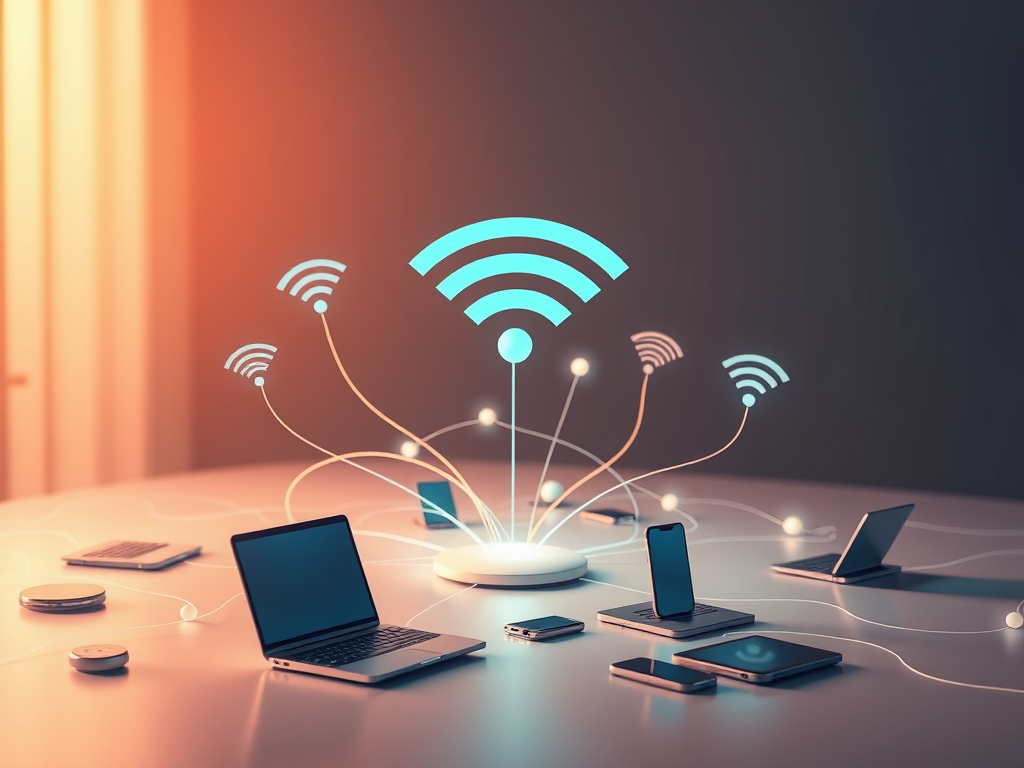
A wireless network is a type of computer network that uses wireless data connections for connecting devices. Unlike wired networks, which rely on physical cables for connectivity, wireless networks utilize radio waves to transmit data between devices, allowing for mobility and flexibility in how devices connect and communicate.
Key Benefits of Wireless Networks
- Mobility: Users can connect to the network from various locations without being tethered to a single point.
- Ease of Installation: Setting up a wireless network often requires less infrastructure than a wired network, resulting in cost savings.
- Scalability: Wireless networks can accommodate additional devices without the need for extensive rewiring.
- Flexibility in Placement: Devices can be placed in various locations without worrying about cable lengths or routing.
Real-Life Examples and Case Studies
- Educational Institutions
- Schools and universities adopt wireless networks to facilitate learning. For example, many institutions implemented Wi-Fi to allow students the flexibility to study anywhere on campus, improving academic engagement and collaboration.
- Case Study: The University of Central Florida reported a 30% increase in student participation in group activities due to enhanced connectivity across campus. The 1:1 program, which provided students with laptops, saw a notable rise in collaboration thanks to the flexible wireless access.
- Hospitals
- Wireless networks in healthcare settings enable immediate access to patient information, facilitating quicker decision-making and improving patient outcomes.
- Case Study: A study conducted in a large urban hospital showed that using wireless technology reduced patient wait times by 20%. Nurses and doctors could access electronic health records and communicate via mobile devices, leading to improved workflow efficiency.
- Retail Stores
- Retailers utilize wireless networks to enhance customer experience through mobile payment solutions and personalized marketing.
- Case Study: A major retail chain implemented Wi-Fi to track customer behavior in-store and adapted its layout accordingly, resulting in a 15% increase in sales after six months of analysis and adjustments.
Statistical Insights
- According to Cisco’s Global Cloud Index, by 2021, wireless traffic accounted for over 60% of all global IP traffic.
- The National Retail Federation revealed that retailers using in-store Wi-Fi see 29% higher conversion rates.
Conclusion
Wireless networks have transformed the way we communicate and interact in various sectors, from education to healthcare and retail. As seen through the real-world examples, the benefits clearly echo in increased efficiency, enhanced mobility, and improved user engagement.
As you reflect on your needs, consider how a wireless network could improve connectivity and access in your home, workplace, or educational environment. Think about the potential efficiencies and conveniences it could bring to your daily routines. Engaging with wireless technology may not only elevate your experience but also align with your evolving lifestyle and connectivity needs.


No responses yet