In a world that depends heavily on wireless connectivity, ensuring consistent Wi-Fi coverage across homes and offices has become essential. Traditional routers often struggle to reach every corner of a building, leading to frustrating dead zones and unreliable connections. This is where Wi-Fi mesh systems step in — technology designed to eliminate those weak spots and keep your devices online, seamlessly.
Understanding Wi-Fi Mesh Systems and Their Key Benefits
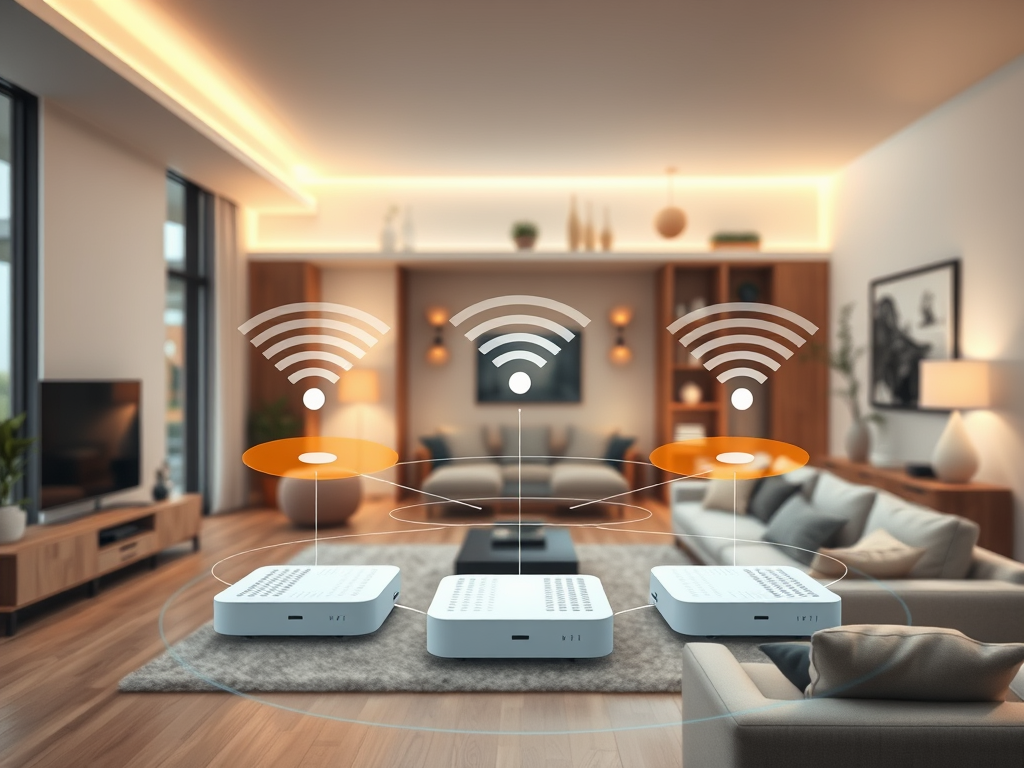
A Wi-Fi mesh system is a network setup that uses multiple nodes (or hubs) to provide stronger and more consistent internet coverage throughout a larger area. Instead of relying on a single router, a mesh system distributes your connection across several interconnected access points. These nodes communicate with one another, passing data throughout the network efficiently, ensuring that you get stable Wi-Fi wherever you are in your home or office space.
Unlike traditional routers or range extenders, mesh systems don’t create multiple separate networks. Instead, they operate under a single network name (SSID), allowing your device to seamlessly “roam” from one node to another without disconnecting or experiencing lag. This makes them particularly useful for buildings with multiple floors, thick walls, or long hallways where Wi-Fi signals often weaken.
Key Benefits of Wi-Fi Mesh Systems
- Seamless Coverage: Mesh networks maintain a consistent connection as you move, avoiding disconnections or signal drops.
- Easy Scalability: Need better coverage? Simply add another node — the system automatically reconfigures itself.
- Smarter Network Management: Many mesh systems include apps for easy setup, usage monitoring, and parental controls.
A study by Statista (2023) revealed that over 41% of households in the U.S. using smart devices have adopted a mesh network system, highlighting the growing demand for reliable smart-home connectivity. Mesh Wi-Fi isn’t just a technological upgrade — it represents flexibility and simplicity for the modern digital lifestyle.
(Image suggestion: A diagram of a home with three mesh nodes positioned strategically to provide full signal coverage.)

Real-Life Case Studies Showing Wi-Fi Mesh in Action
One real-world example comes from a small business in Austin, Texas. A local coffee shop struggled with maintaining strong and stable connectivity for its customers, especially during peak hours. After installing a Google Nest Wi-Fi mesh system (Google Home Support documentation), the owners reported up to a 60% improvement in overall connectivity reliability, along with faster load times for point-of-sale systems. Customers also noted smoother streaming and stronger signals across the store’s multiple zones.
In another case, a family living in a 3-story suburban home implemented the Eero Mesh System (Eero Support Guide) to address weak Wi-Fi on the top floor. Prior to installing the mesh system, their smart home devices — such as thermostats and security cameras — frequently disconnected. Post-installation, the family experienced no buffering during movie nights or video calls, illustrating the value of evenly distributed signal strength across floors.
Lastly, an educational institution in Canada utilized a TP-Link Deco Mesh System (TP-Link Support Pages) to support hundreds of connected devices across multiple classrooms. With classrooms relying heavily on cloud-based tools like Google Workspace and Zoom, the mesh network provided uninterrupted service throughout the school day. Administrators noted a 35% boost in average connection speeds and significantly fewer connection complaints from students and faculty alike.
Key Takeaways:
- Wi-Fi mesh systems solve connection gaps in environments where traditional routers fail.
- They enhance user experience, supporting multiple connected devices simultaneously.
- Case studies show measurable improvements in speed, stability, and reliability across sectors.
As our homes, businesses, and schools continue to fill with connected devices, the need for uninterrupted Wi-Fi has never been greater. Wi-Fi mesh systems represent the evolution of network design — flexible, adaptive, and smart enough to meet the demands of modern connectivity. Whether you’re streaming, gaming, teaching, or working remotely, a well-designed mesh setup ensures your connection remains stable and strong.
Before deciding, consider your own space: How many floors or rooms need coverage? What devices demand the most bandwidth? Reflecting on these details will help you choose a mesh system that fits your personal or professional environment — ensuring that wherever you roam, your Wi-Fi goes with you.
Discover more from Archer IT Solutons
Subscribe to get the latest posts sent to your email.


No responses yet