“`html
Introduction to U-NII Bands in Wireless Tech
Unlicensed National Information Infrastructure (U-NII) bands are a set of frequency bands designated by the Federal Communications Commission (FCC) for unlicensed use in wireless communication. These bands are crucial for the operation of various wireless technologies, including Wi-Fi, as they provide the necessary spectrum for data transmission without the need for a specific license. The U-NII bands are part of the broader spectrum management strategy aimed at optimizing the use of radio frequencies to support the growing demand for wireless connectivity. As wireless technology continues to evolve, understanding U-NII bands becomes essential for both industry professionals and consumers who rely on seamless connectivity.
The significance of U-NII bands lies in their ability to support high-speed data transfer and accommodate a large number of devices simultaneously. This is particularly important in today’s digital age, where the proliferation of smart devices and the Internet of Things (IoT) has led to an exponential increase in data traffic. By providing a framework for unlicensed use, U-NII bands facilitate innovation and competition in the wireless industry, enabling new technologies and services to emerge. As such, they play a pivotal role in the development of next-generation wireless networks, including 5G and beyond.
Exploring the Different U-NII Band Categories
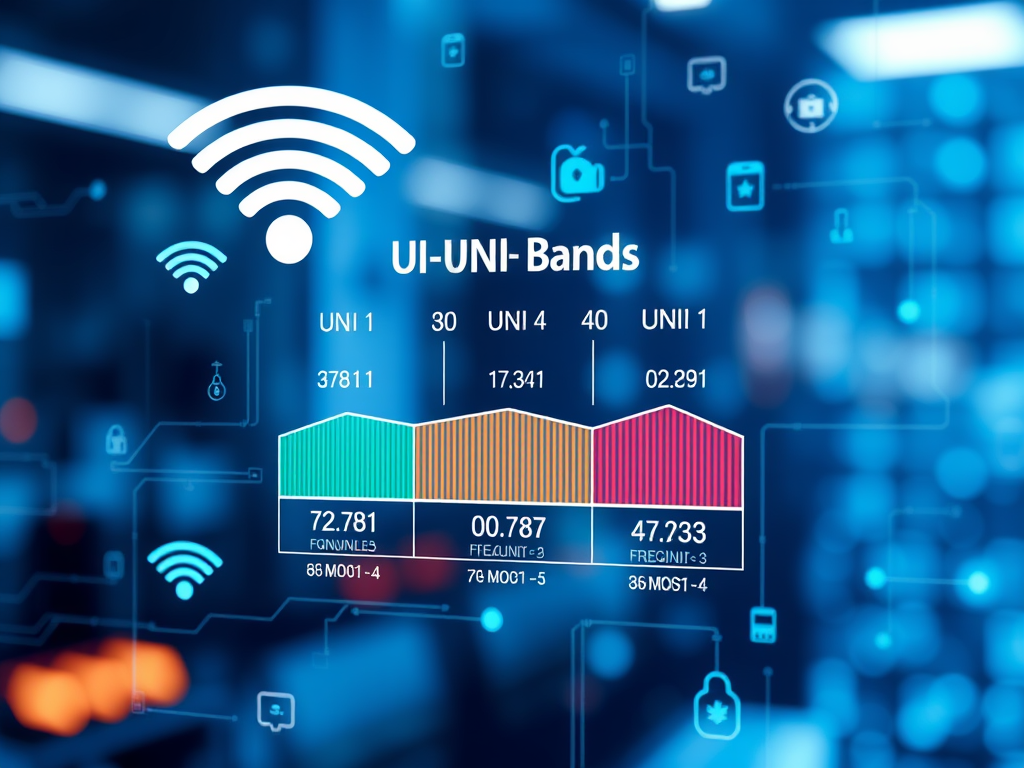
U-NII bands are divided into several categories, each with specific characteristics and intended uses. The primary categories include U-NII-1, U-NII-2A, U-NII-2C, U-NII-3, and U-NII-4. U-NII-1, for instance, operates in the 5.15-5.25 GHz range and is typically used for indoor applications, such as home Wi-Fi networks. This band is characterized by lower power limits, which help minimize interference with other devices and ensure reliable performance in confined spaces. U-NII-2A and U-NII-2C, on the other hand, cover the 5.25-5.35 GHz and 5.47-5.725 GHz ranges, respectively, and are used for both indoor and outdoor applications. These bands support higher power levels and are subject to Dynamic Frequency Selection (DFS) requirements to prevent interference with radar systems.
U-NII-3, operating in the 5.725-5.85 GHz range, is primarily used for outdoor applications and point-to-point communication links. This band allows for higher power transmissions, making it suitable for long-range connectivity and backhaul networks. U-NII-4, also known as the 6 GHz band, is the latest addition to the U-NII family and spans the 5.925-7.125 GHz range. It offers a significant increase in available spectrum, providing additional capacity for Wi-Fi 6E and future wireless technologies. Each U-NII band category is designed to address specific use cases and regulatory requirements, ensuring efficient spectrum utilization and minimizing interference with other services.
Regulatory Framework for U-NII Bands
The regulatory framework governing U-NII bands is established by the FCC in the United States, with similar regulations implemented by other countries’ telecommunications authorities. These regulations are designed to ensure that the unlicensed use of U-NII bands does not interfere with licensed services, such as radar and satellite communications. To achieve this, the FCC imposes specific technical requirements, including power limits, antenna gain restrictions, and DFS protocols. These measures help maintain the integrity of the spectrum and prevent harmful interference, allowing multiple users to coexist within the same frequency bands.
In addition to technical requirements, the regulatory framework for U-NII bands also includes provisions for spectrum sharing and coordination. This is particularly important in densely populated areas, where the demand for wireless connectivity is high, and the risk of interference is greater. By promoting efficient spectrum use and encouraging cooperation among stakeholders, the regulatory framework helps maximize the benefits of U-NII bands for all users. As wireless technology continues to advance, regulatory bodies are continually reviewing and updating these regulations to accommodate new developments and ensure the continued availability of unlicensed spectrum for innovative applications.
U-NII Bands: Frequency Ranges Explained
The frequency ranges of U-NII bands are carefully allocated to balance the needs of various wireless applications while minimizing interference with other services. U-NII-1, for example, operates in the 5.15-5.25 GHz range, providing a 100 MHz bandwidth that is ideal for indoor Wi-Fi networks. This band is often used in residential and small business environments, where lower power levels are sufficient to cover the required area. U-NII-2A and U-NII-2C, with frequency ranges of 5.25-5.35 GHz and 5.47-5.725 GHz, respectively, offer a combined bandwidth of 350 MHz. These bands are suitable for both indoor and outdoor use, supporting a wide range of applications from home networking to enterprise-level deployments.
U-NII-3, covering the 5.725-5.85 GHz range, provides a 125 MHz bandwidth that is particularly useful for outdoor and long-range communication. This band is often employed in wireless internet service provider (WISP) networks and other point-to-point communication systems. The introduction of U-NII-4, or the 6 GHz band, has significantly expanded the available spectrum for unlicensed use, offering a total of 1,200 MHz of bandwidth. This additional capacity is crucial for supporting the growing demand for high-speed wireless connectivity and enabling the deployment of advanced technologies such as Wi-Fi 6E. By understanding the frequency ranges of U-NII bands, network designers and engineers can make informed decisions about which bands to use for specific applications, ensuring optimal performance and reliability.
Applications of U-NII Bands in Networking
U-NII bands play a vital role in modern networking, providing the necessary spectrum for a wide range of wireless applications. One of the most common uses of U-NII bands is in Wi-Fi networks, where they enable high-speed data transfer and support a large number of connected devices. This is particularly important in environments such as homes, offices, and public spaces, where reliable wireless connectivity is essential for productivity and communication. In addition to Wi-Fi, U-NII bands are also used in other wireless technologies, such as Bluetooth and Zigbee, which rely on unlicensed spectrum for short-range communication.
Beyond consumer applications, U-NII bands are also critical for enterprise and industrial networking. They are used in wireless backhaul systems, which provide the necessary infrastructure for connecting remote locations and supporting large-scale networks. U-NII bands are also employed in wireless mesh networks, which offer flexible and scalable connectivity solutions for urban and rural areas. By enabling a wide range of applications, U-NII bands contribute to the development of robust and efficient wireless networks that meet the diverse needs of users across different sectors.
Benefits of Using U-NII Bands for Wi-Fi
The use of U-NII bands for Wi-Fi offers several benefits, making them an attractive option for both consumers and network operators. One of the primary advantages is the availability of unlicensed spectrum, which allows for the deployment of Wi-Fi networks without the need for costly licenses. This reduces the barriers to entry for new market players and encourages innovation and competition in the wireless industry. Additionally, U-NII bands provide ample bandwidth to support high-speed data transfer, enabling seamless streaming, gaming, and other bandwidth-intensive applications.
Another significant benefit of using U-NII bands for Wi-Fi is the ability to accommodate a large number of devices simultaneously. This is particularly important in today’s connected world, where households and businesses often have multiple devices accessing the network at the same time. U-NII bands also offer flexibility in terms of deployment, allowing for both indoor and outdoor use. This versatility makes them suitable for a wide range of applications, from home networking to public Wi-Fi hotspots. By leveraging the benefits of U-NII bands, network operators can deliver reliable and high-performance Wi-Fi services that meet the evolving needs of users.
Challenges in Implementing U-NII Bands
Despite their many benefits, implementing U-NII bands in wireless networks presents several challenges that must be addressed to ensure optimal performance. One of the primary challenges is the potential for interference with other devices and services operating in the same frequency range. This is particularly true in densely populated areas, where the demand for wireless connectivity is high, and the risk of interference is greater. To mitigate this issue, network operators must carefully plan and manage their spectrum use, employing techniques such as frequency coordination and dynamic frequency selection (DFS) to minimize interference.
Another challenge in implementing U-NII bands is the need for compliance with regulatory requirements. The FCC and other regulatory bodies impose specific technical standards and protocols to ensure that unlicensed use of U-NII bands does not interfere with licensed services. This requires network operators to invest in equipment and technologies that meet these standards, which can increase the cost and complexity of deployment. Additionally, as wireless technology continues to evolve, regulatory frameworks are continually updated, requiring network operators to stay informed and adapt to new requirements. By addressing these challenges, network operators can successfully implement U-NII bands and deliver reliable wireless services to their users.
Future Trends in U-NII Band Utilization
The future of U-NII band utilization is shaped by several emerging trends that are set to transform the wireless landscape. One of the most significant trends is the expansion of the 6 GHz band, which offers a substantial increase in available spectrum for unlicensed use. This additional capacity is crucial for supporting the growing demand for high-speed wireless connectivity and enabling the deployment of advanced technologies such as Wi-Fi 6E and beyond. As more devices and applications rely on wireless connectivity, the importance of U-NII bands in meeting these demands will continue to grow.
Another key trend in U-NII band utilization is the development of new technologies and standards that enhance the efficiency and performance of wireless networks. This includes advancements in spectrum sharing techniques, which allow multiple users to coexist within the same frequency bands without causing interference. Additionally, the integration of artificial intelligence and machine learning in network management is expected to optimize spectrum use and improve the overall performance of wireless networks. As these trends continue to evolve, U-NII bands will play a critical role in shaping the future of wireless communication, enabling new applications and services that enhance connectivity and drive innovation. “`
Discover more from Archer IT Solutons
Subscribe to get the latest posts sent to your email.


No responses yet