The Unlicensed National Information Infrastructure (U-NII) bands have become a crucial aspect of how we connect wirelessly in modern communications. These frequency ranges are used primarily for Wi-Fi and other wireless services operating in the 5 GHz and 6 GHz spectrum. Understanding the standard form of the U-NII band is essential for professionals in networking, telecommunications, and IT infrastructure. This article explores the structure, purpose, and practical implications of the U-NII standard, along with real-world applications and success stories.
Understanding the Standard Form of the U-NII Band
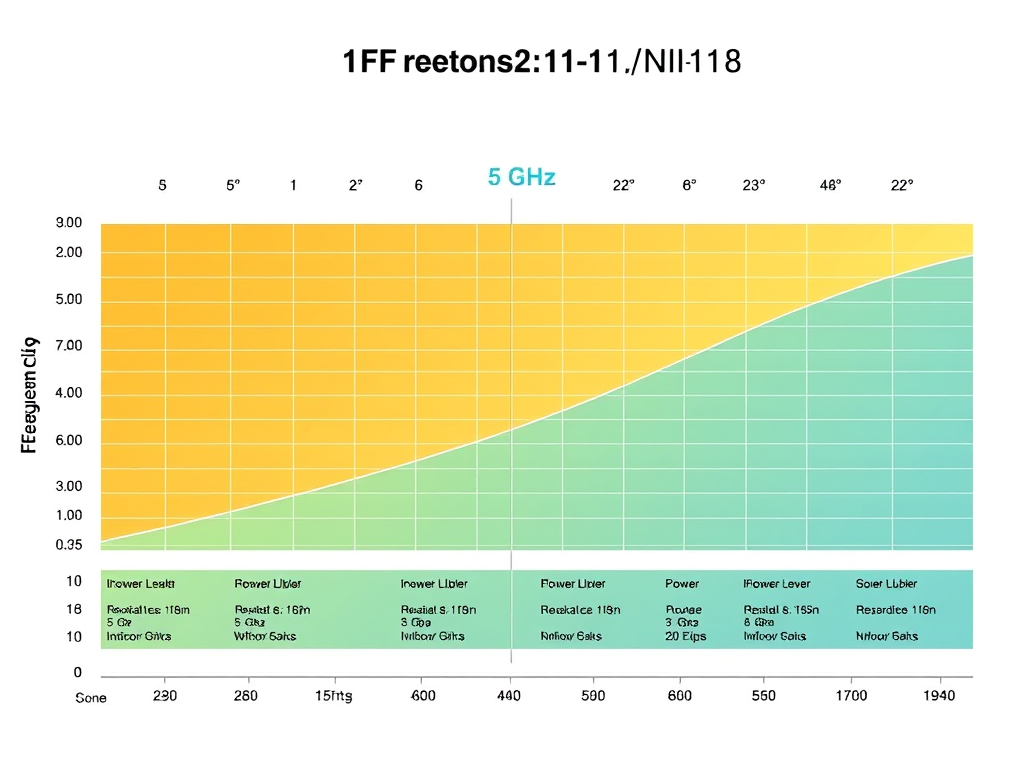
The U-NII band, or Unlicensed National Information Infrastructure band, refers to portions of the radio spectrum that have been allocated by the U.S. Federal Communications Commission (FCC) for unlicensed use. These bands enable high-speed, short-range wireless communications without requiring individual user licenses. The standard form typically encompasses the 5 GHz (U-NII-1 through U-NII-4) and 6 GHz (U-NII-5 through U-NII-8) frequencies. Each sub-band offers different power levels, indoor/outdoor restrictions, and transmission characteristics.
Here’s a breakdown of the standard U-NII sub-bands:
- U-NII-1 (5.15–5.25 GHz): Indoor use, low power.
- U-NII-2A/2C (5.25–5.725 GHz): Moderate power, requires Dynamic Frequency Selection (DFS) to avoid radar interference.
- U-NII-3 (5.725–5.850 GHz): Outdoor use, higher power, suitable for point-to-point connections.
- U-NII-5 to U-NII-8 (5.925–7.125 GHz): Part of the new 6 GHz Wi-Fi 6E band.
The standard form of these bands defines their usage rules and coexistence mechanisms. For example, DFS and Transmit Power Control (TPC) are standardized features that ensure networks avoid interference with radar systems or neighboring connections. This standardization allows for global interoperability and reliable Wi-Fi performance across various environments and devices.
Key Takeaways:
- U-NII bands are standardized by the FCC to enable high-performance, unlicensed wireless communication.
- The 5 GHz and 6 GHz ranges comprise multiple sub-bands, each with unique characteristics.
- Regulation ensures reduced interference and consistent operation across networks.
Image Suggestion: A labeled frequency spectrum diagram showcasing the U-NII-1 to U-NII-8 bands.
Real-Life Applications and Case Studies on U-NII Use
The U-NII band powers much of the world’s wireless connectivity—from home Wi-Fi to enterprise networks, and even public infrastructure. For instance, Wi-Fi 6E, which operates in the 6 GHz range (U-NII-5 to U-NII-8), provides faster and more reliable communication, particularly in dense environments like stadiums and office complexes. The additional spectrum reduces congestion, allowing more users to connect simultaneously without performance drops.
In 2022, a major airport in the United States upgraded its communication system to operate partially on the U-NII-3 and U-NII-5 bands, resulting in a 60% improvement in throughput efficiency. Similarly, in rural broadband projects, WISPs (Wireless Internet Service Providers) leverage the outdoor capabilities of U-NII-3 to deliver affordable internet access to remote communities. These case studies highlight how the standard form of U-NII use impacts sectors ranging from education to transportation.
Examples of services and frameworks benefiting from U-NII include:
- Wi-Fi 5/6/6E networks in homes and offices.
- Municipal public Wi-Fi systems in smart cities.
- Industrial automation via wireless controllers and IoT networks.
- Community internet initiatives by agencies such as BroadbandUSA and FCC Wireless Services.
Image Suggestion: A collage showing smart city connectivity, Wi-Fi routers, and rural wireless towers.
The U-NII band serves as a backbone for much of our modern digital communication. Its standardized form ensures that devices operate efficiently and coexist without interference, helping industries innovate while keeping spectrum use fair and open. Whether through faster Wi-Fi in offices or extended broadband in rural regions, U-NII demonstrates how thoughtful regulation and technology design can impact daily life.
As readers, consider how your connectivity needs—whether personal, professional, or community-based—align with emerging technologies like Wi-Fi 6E. The future of wireless communication depends on how well we understand and leverage standards like the U-NII band to build smarter, more connected environments.
Discover more from Archer IT Solutons
Subscribe to get the latest posts sent to your email.


No responses yet