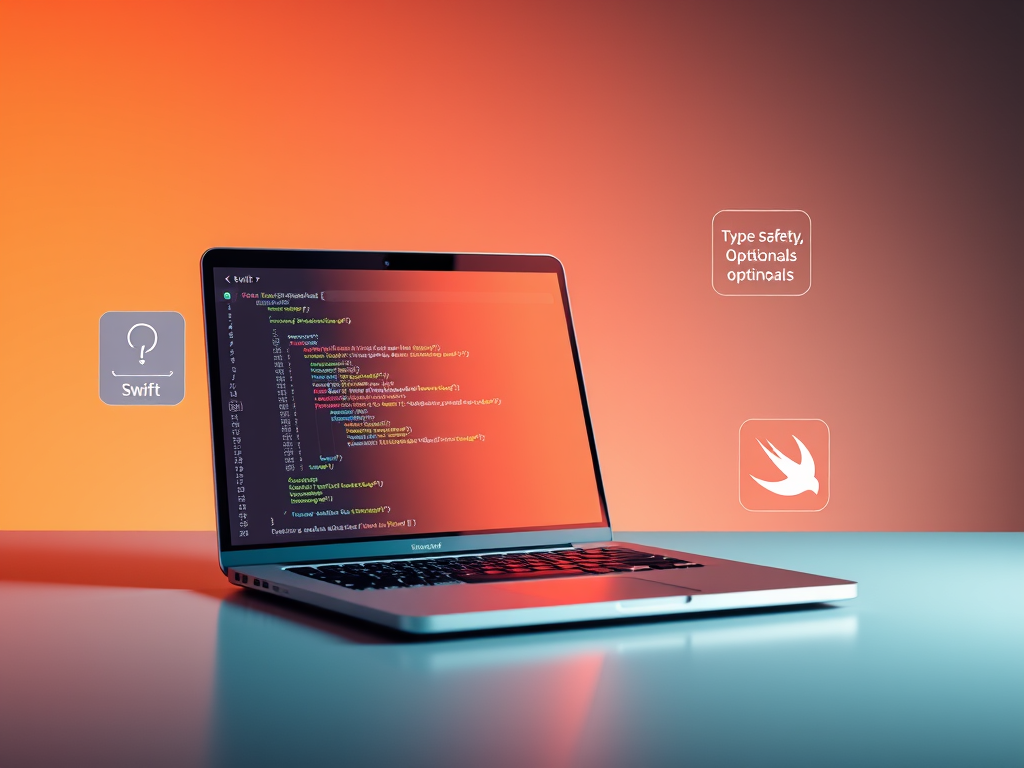
Swift is one of the most popular programming languages for iOS, macOS, and watchOS development, known for its speed, safety, and intuitive syntax. Developed by Apple in 2014, Swift has steadily grown into a modern language that empowers developers to write clean and efficient code. Whether you are new to programming or transitioning from another language, understanding Swift’s fundamentals sets the foundation for creating high-quality apps and digital products.
Exploring Swift’s Core Concepts and Syntax Basics
Swift combines the best aspects of modern programming languages with ease of use, making it a great choice for new developers. It focuses on clarity — every symbol and keyword has a purpose. The Swift syntax avoids unnecessary complexity by eliminating things like semicolons (unless multiple statements are used on one line). It offers powerful features such as type inference and optionals to help prevent common programming errors.
Another key aspect of Swift is type safety. By enforcing strict data typing, Swift detects issues at compile time rather than runtime, reducing app crashes and improving performance. This makes Swift a strong candidate for mission-critical apps. For those just starting out, Apple’s Swift Playgrounds app is an engaging and interactive way to learn. Additionally, the official Swift documentation and resources from Swift.org provide deeper technical insight into syntax rules and concepts.
Key takeaways from Swift’s foundation:
- Swift is type-safe and prevents many common coding errors.
- It has a concise, readable syntax.
- Optionals help handle missing or nil values safely.
Summary: Understanding Swift’s core syntax and its strong focus on safety makes development faster, more efficient, and less error-prone.
Mastering Swift Programming Through Practical Examples
Once you grasp the syntax, learning through experimentation becomes critical. Practical examples, such as building a simple calculator or a basic iOS to-do list app, reinforce your understanding of Swift’s structure and flow. Using control flow statements like if, switch, and for-in helps you design robust logic in your apps. Developers can also dive into classes, structs, and protocols to appreciate the power of Swift’s object-oriented and protocol-oriented paradigms.
However, as with most languages, developers occasionally face plugin or compatibility issues — especially when integrating with third-party frameworks or older iOS versions. Common issues include outdated Xcode versions or conflicts between Swift packages. To troubleshoot, ensure your toolchain is updated and dependencies are compatible. Resources such as Stack Overflow and Swift Forums offer community-driven troubleshooting advice.
Pros:
- User-friendly and fast for beginners.
- Backed by Apple and a large community.
- Improved runtime safety.
Cons:
- Rapid updates may cause compatibility issues.
- Fewer libraries compared to older languages like C++.
Summary: Hands-on practice, awareness of compatibility challenges, and community collaboration help developers master Swift and build confidence.

Swift continues to evolve as a reliable, high-performance language shaping the Apple ecosystem. Whether you are building your first app or refining an enterprise product, it’s never too early to strengthen your Swift foundation. Archer IT Solutions offers support and IT management services to developers, small businesses, and entrepreneurs—helping ensure stable environments for web and app hosting.
For expert assistance with hosting, IT management, or technical support:
- Visit: www.archer-its.com
- Open a support ticket: www.archer-its.com/ticket
- Email: support@archer-its.com
Reflect on your development goals—are you optimizing your IT workflow for growth and innovation? Archer IT Solutions can help you achieve that balance efficiently.
Discover more from Archer IT Solutons
Subscribe to get the latest posts sent to your email.


No responses yet