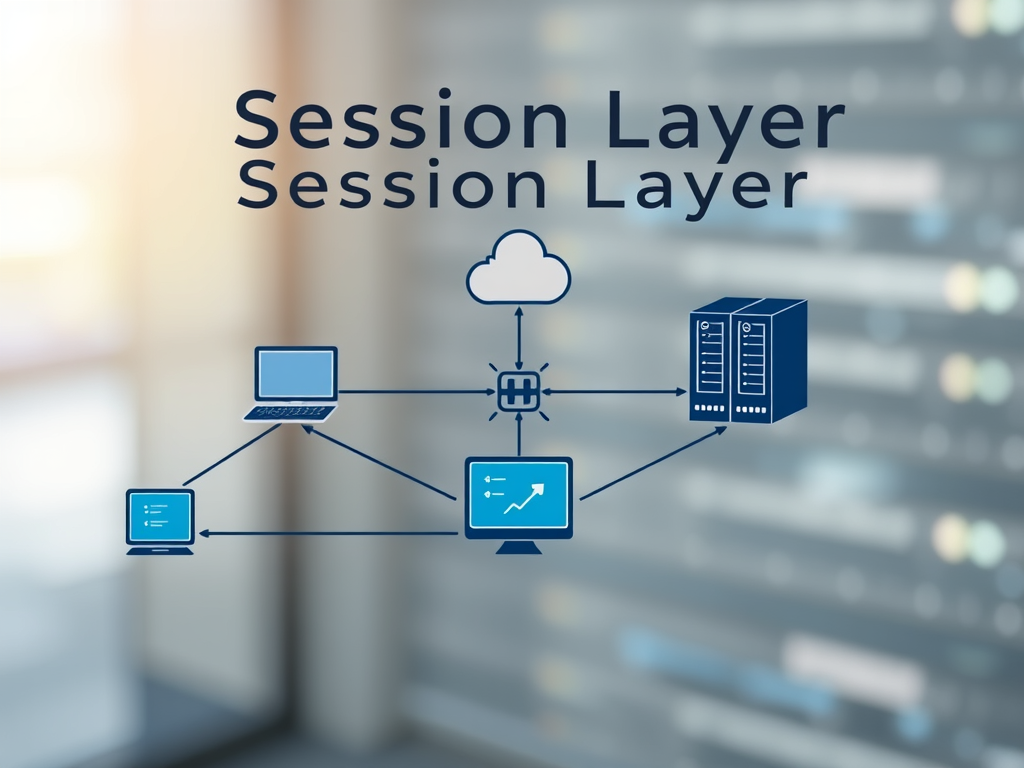
Understanding the Function of the Session Layer
The Session Layer, often considered an unsung hero of the OSI model, plays a crucial role in maintaining stable connections between devices and applications on a network. By managing sessions, synchronization, and recovery, this layer ensures that communication between systems is seamless and structured. For IT professionals and organizations like Archer IT Solutions, understanding this layer is key to troubleshooting network issues and enhancing performance.
Breaking Down How the Session Layer Manages Data Flow
The Session Layer is the fifth layer in the OSI model, sitting above the Transport Layer and below the Presentation Layer. Its primary role is to establish, manage, and terminate sessions between two communicating devices. Simply put, it enables a continuous exchange of data between applications—whether that’s a file transfer, video call, or web connection—by keeping track of sessions and ensuring that multiple requests and responses stay in sync.
Another vital function of this layer is synchronization. When data transfer is interrupted due to errors or network issues, the Session Layer helps maintain checkpoints, allowing the transmission to resume from where it left off instead of starting over. This design helps avoid data repetition and saves significant time, which is particularly beneficial in large-scale enterprise applications or real-time collaboration systems.
From a business perspective, tools like those offered by Archer IT Solutions often utilize robust session management to keep services such as Web Hosting, remote IT support, and managed IT services operational around the clock. This ensures that data exchanges between client websites and servers remain stable, even under varying network conditions.
Common Session Layer Issues and How to Troubleshoot Them
Despite its efficiency, the Session Layer can experience several issues such as connection timeouts, session synchronization errors, or protocol mismatches. These problems often manifest when applications fail to maintain session states due to network instability or incompatible configurations. For example, a web application might lose its connection to a database if a session abruptly terminates or if there’s a latency spike that breaks the established link.
Troubleshooting Session Layer issues often starts with identifying where communication breakdown occurs. Network administrators can use diagnostic tools like Wireshark or protocol analyzers to inspect session requests (START, KEEP-ALIVE, END). If repeated session resets or timeouts are found, the cause might stem from misaligned configurations or overloaded servers. Ensuring that both endpoints adhere to Session Layer protocol standards will typically resolve most issues.
Archer IT Solutions offers expert support for businesses facing such challenges. Their Onsite or Remote Computer Support team can help diagnose session-level connectivity issues, while managed IT services ensure session integrity across client networks. If needed, users can open a service ticket for direct assistance through Archer IT Solutions Support. For email support, contact support@archer-its.com—responses usually arrive within 24 hours.
By understanding the function of the Session Layer, businesses and network professionals can better maintain seamless communication across digital systems. This layer ensures data flows correctly between devices, minimizes errors, and provides the synchronization needed for reliable network operations. For ongoing management, troubleshooting, and optimization of session-based systems, partnering with reliable IT experts like Archer IT Solutions can help maintain robust, high-performing networks that support business growth.
Discover more from Archer IT Solutons
Subscribe to get the latest posts sent to your email.


No responses yet