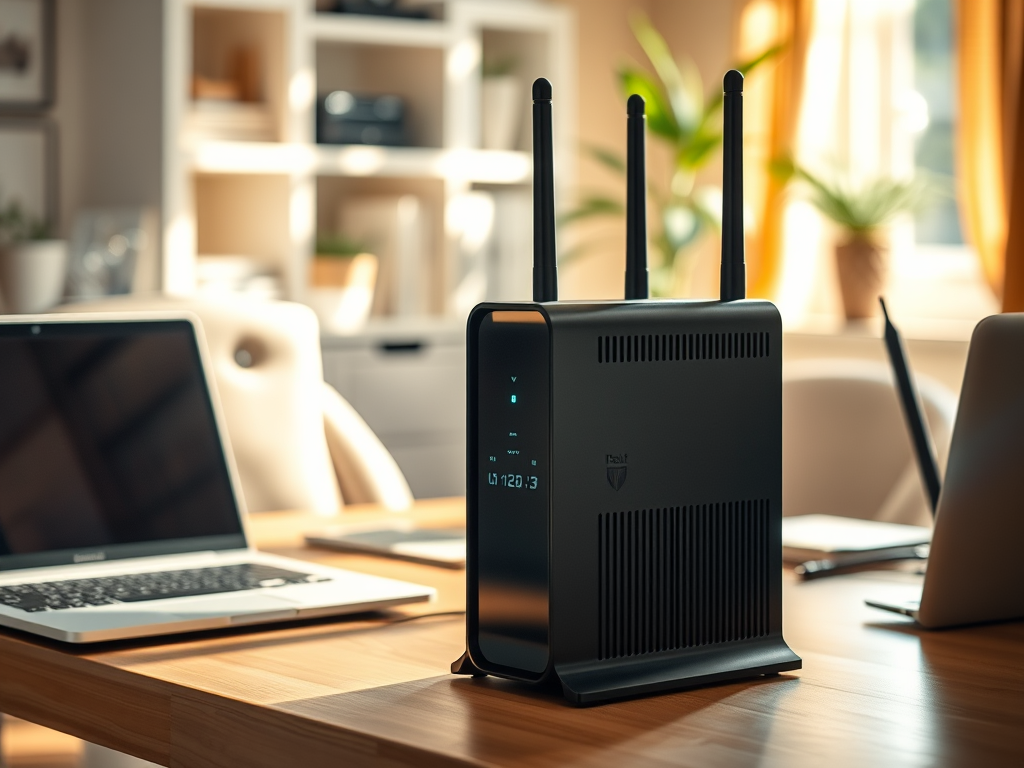
Understanding the Function and Purpose of a Modem
In today’s digitally connected world, a modem is the unseen powerhouse that bridges your home network and the greater internet. It’s what makes your online experience smooth, whether you’re working remotely, streaming videos, or running a business website. However, many users still wonder—what exactly does a modem do, and why is it so essential? This article breaks down the modem’s purpose, function, and benefits in everyday use.
How a Modem Connects Your Home to the Internet

A modem (short for modulator-demodulator) is the critical device that translates digital data from your computer into a signal that your Internet Service Provider (ISP) can transmit over telephone lines, fiber optics, or coaxial cables. It works both ways—converting incoming signals from your ISP back into digital data your devices can use. Without this translation process, your devices wouldn’t be able to interpret or send online data effectively.
Modern modems come in various forms, including DSL, cable, and fiber models. Each type corresponds to a particular internet connection technology. Fiber modems, for instance, offer blazing-fast speeds suitable for streaming 4K content or hosting large websites, while DSL modems are common in residential setups with standard broadband. For more technical assistance on choosing the right modem type, Archer IT Solutions provides personalized advice at www.archer-its.com/onsite-service.
Troubleshooting modem issues often starts with basic steps like checking cable connections, performing a power cycle, or ensuring firmware is up-to-date. If you experience compatibility problems between your newer router and an older modem model, configuration updates can help. Archer IT Solutions offers remote and onsite troubleshooting services for such technical challenges to ensure minimal downtime.
Key Roles and Benefits of Using a Reliable Modem

A reliable modem ensures uninterrupted internet connectivity with low latency and high-speed performance, all crucial for daily work, online gaming, and video conferencing. The function of a modem goes beyond connectivity—it manages data exchange efficiently to maintain signal stability, which prevents frustrating lag or dropped connections. High-quality modems also feature better chipsets that handle multiple data streams, making them ideal for small businesses and home offices alike.
Pros of using a reliable modem include faster internet speeds, improved signal strength, and long-term cost savings through consistent performance. Cons may include higher initial costs or the need for firmware management. However, these drawbacks are minimal when weighed against the advantages of a stable internet connection, especially for businesses that depend on uptime for productivity. For managed IT solutions that include device optimization, visit www.archer-its.com/managed-it-services.
When facing persistent connectivity issues, Archer IT Solutions recommends verifying modem compatibility with your ISP and connected router. Problems like dropped signals or poor performance often arise from outdated firmware or mismatched configurations. Assistance is available through their support portal at www.archer-its.com/ticket/ or via email at support@archer-its.com, with response times typically within 24 hours.
A modem is more than just a small box—it’s the gateway that connects your home or business to the wider online world. Understanding its core function equips you to make informed decisions when upgrading or troubleshooting your network setup. Whether you’re a website developer, remote worker, or small business owner, keeping your modem optimized ensures stable connectivity and faster communication. For expert support, network optimization, or managed IT services, reach out to Archer IT Solutions at www.archer-its.com.
Discover more from Archer IT Solutons
Subscribe to get the latest posts sent to your email.


No responses yet