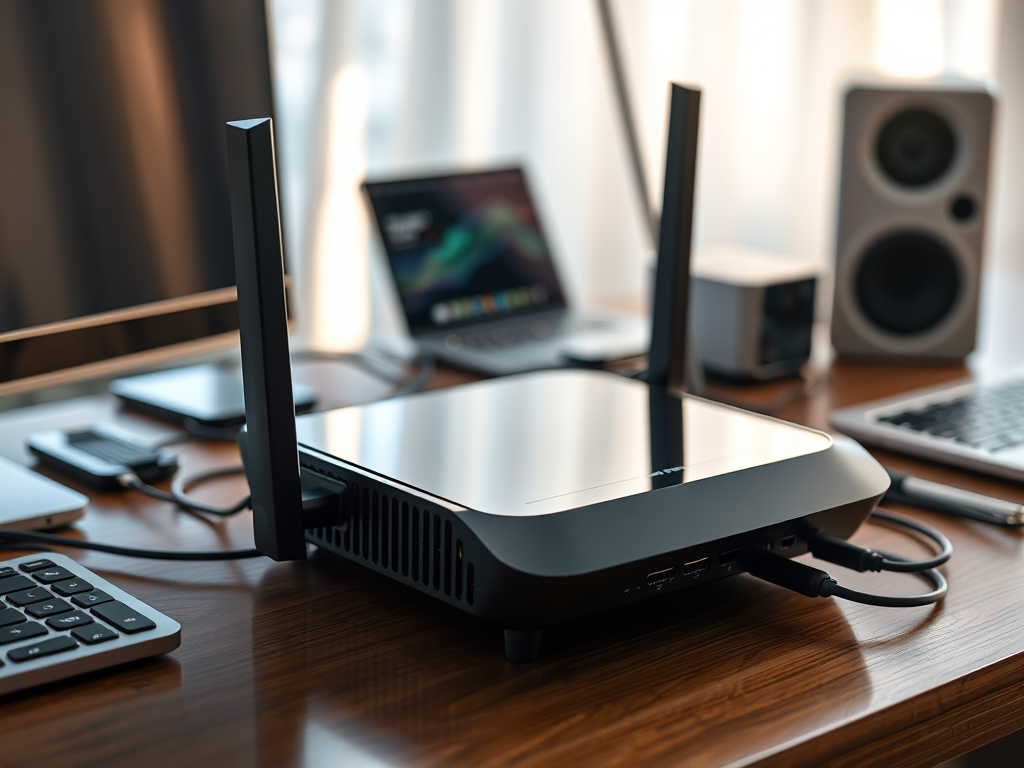
Understanding the Core Function and Role of a Modem
In today’s hyper-connected world, modems play a critical yet often overlooked role in ensuring smooth and consistent internet connectivity. Whether you’re working remotely, streaming in 4K, or managing an online business, your modem quietly serves as the gateway between your local devices and the vast network of the internet. Understanding how it functions—and how to maintain it—is key to achieving consistent online performance for both personal and professional use.
Exploring the Core Function of a Modern Modem
A modem, short for modulator-demodulator, acts as the bridge that translates digital signals from your computer into analog signals that can travel through communication lines. This process allows data to move seamlessly between the internet service provider (ISP) and your home or office network. In essence, without a properly functioning modem, your devices would be unable to “speak” the same language as your ISP’s infrastructure.
Modern modems have evolved significantly, offering faster data conversion speeds and supporting multiple data channels simultaneously. Many are now integrated with routers, providing both connectivity and internal network routing functions in one device. According to a 2023 study by Statista, over 78% of broadband users in developed countries use integrated modem-router combinations to optimize their home networks.
Key Takeaways:
- Modems convert digital data into analog signals and vice versa.
- They serve as the communication gateway between your ISP and local network.
- Integrated models combine both modem and router functionalities for simplicity.
Summary: The modem’s core function is fundamental to internet communication, acting as the translator that ensures efficient data transmission from source to destination.
Understanding the Modem’s Role in Network Connectivity
The modem’s role extends beyond simple conversion—it determines the quality, stability, and speed of your internet connection. The type of modem you use (DSL, cable, or fiber) directly affects your bandwidth and data transfer speeds. For instance, fiber-optic modems can deliver speeds up to 1 Gbps or more, while traditional DSL connections are typically limited to under 100 Mbps.
However, even the best modem can run into compatibility or firmware-related issues. One common challenge users face is plugin or driver compatibility. Outdated modem firmware, plugins, or mismatched routers can cause slow connection or frequent dropouts. Performing regular firmware updates or consulting with technical experts such as Archer IT Solutions can help ensure that your network hardware operates smoothly across all devices.
Pros and Cons of Using a Modern Modem:
- Pros: Stable connectivity, faster speeds, security controls, and scalability.
- Cons: Requires periodic maintenance and firmware updates.
Summary: A modem’s role in connectivity goes far beyond physical connection—it dictates overall network reliability and performance, influencing your browsing, streaming, and remote work experiences.
Troubleshooting Common Issues
Even well-maintained modems may encounter issues. Here’s how to handle some frequent problems:
- Slow speed or lag: Check for background downloads or connect directly via Ethernet.
- Connection drops: Inspect coaxial or DSL cables for damage and ensure ports are dust-free.
- Plugin incompatibilities: Uninstall outdated firmware or incompatible router extensions.
If persistent problems occur, Archer IT Solutions offers both onsite and remote technical support to diagnose and resolve them effectively. For direct support, visit https://www.archer-its.com/ticket or email support@archer-its.com—most requests are answered within 24 hours.
For more technical learning, visit HowStuffWorks: Modems Explained or Network World’s Networking Guide.
Summary: Troubleshooting ensures minimal downtime and prolongs hardware lifespan. Professional IT support can further safeguard your internet reliability.
The modem remains a cornerstone of digital communication, quietly powering millions of online connections. Understanding its function, maintaining compatibility, and knowing when to seek expert support can drastically improve your online performance. If you’re a website owner or small business seeking consistent, high-speed network performance, consider consulting Archer IT Solutions for managed IT support, web hosting, or web design services tailored to your specific connectivity needs.
Reflect on your needs: Are you confident your current modem setup supports your workflow goals? If not, reach out to sales@archer-its.com today and take control of your connectivity!
Discover more from Archer IT Solutons
Subscribe to get the latest posts sent to your email.


No responses yet