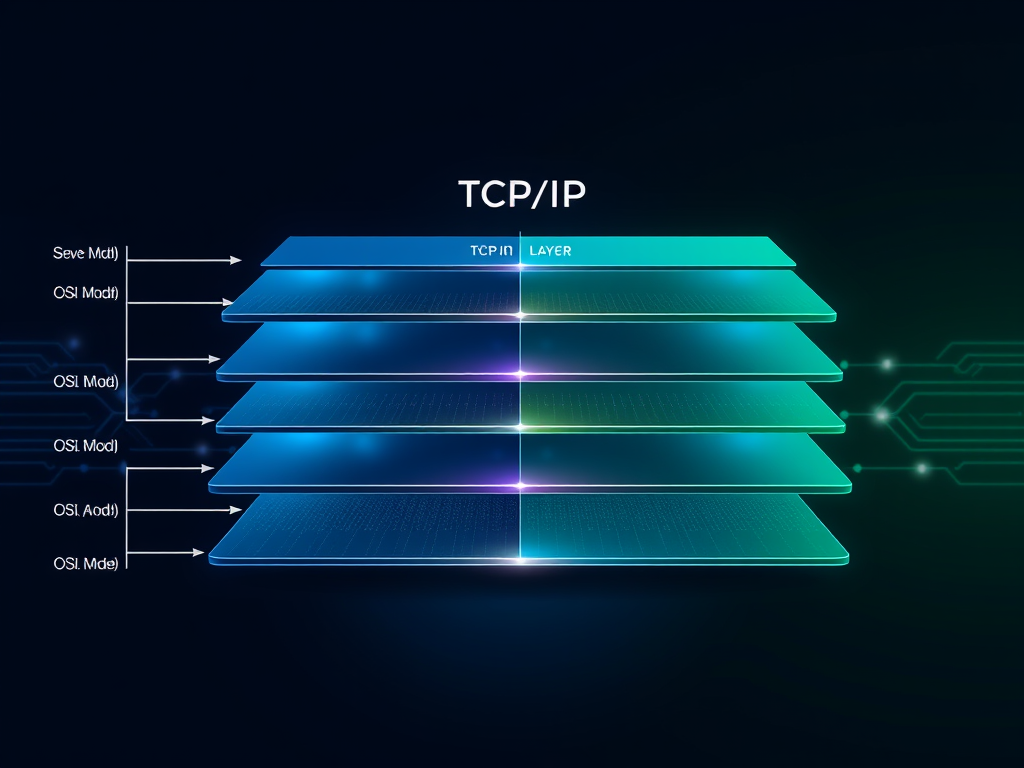
Understanding How TCP/IP Relates to the OSI Networking Model
Networking underpins every digital interaction — from browsing your favorite website to sending emails for business. Two foundational frameworks make this possible: the TCP/IP protocol suite and the OSI (Open Systems Interconnection) model. These models define how data moves across interconnected systems but differ in design philosophy and implementation scope.
Understanding how TCP/IP relates to the OSI model helps engineers, developers, and small business owners enhance system reliability and interconnectivity. This knowledge not only clarifies complex network structures but also fosters smarter troubleshooting, better configuration, and stronger technical decision-making.
If you run web or hosting services, like those supported by Archer IT Solutions, grasping these layers can drastically improve efficiency and uptime.
Understanding the Relationship Between TCP/IP and OSI
The OSI model, established by ISO, introduces a seven-layer conceptual framework: from the Physical to the Application layer. It focuses more on standardization and helps engineers visualize how different communication protocols interact. Conversely, the TCP/IP model, designed by the U.S. Department of Defense, is a four-layer practical implementation primarily used in real-world networking systems.
While OSI was theoretical, TCP/IP became the global standard because of its simplicity and effectiveness in heterogeneous environments. Its four layers — Network Access, Internet, Transport, and Application — map roughly to the OSI’s seven layers but consolidate certain functions. For example, the Transport Layer in TCP/IP covers roles of both the Transport and Session layers from OSI.
Key Takeaways:
- OSI = Conceptual and educational framework.
- TCP/IP = Practical, real-world network model.
- Both models help clarify how network data travels safely and accurately.
Summary:
Understanding the layered approach of both models allows you to efficiently identify communication issues and maintain reliable data exchange across systems.
Comparing Layer Functions and Real-World Applications
Each layer in both models defines specific responsibilities — from data formatting to error correction. In practice, when you load a webpage, data travels across these layers: the Application Layer (HTTP/HTTPS) in TCP/IP interacts with the Transport Layer (TCP) to ensure packets are reliable before hitting the Internet Layer (IP). This interconnection ensures network consistency despite different underlying infrastructures.
In real-world environments, troubleshooting connectivity issues often means aligning the OSI conceptual model with the TCP/IP operational model. For example, a plugin compatibility issue with web services might involve corrections at the Application or Transport layers. Understanding this correlation helps streamline bug identification, especially for web hosting support provided through Archer IT Solutions’ ticket system.
Pros:
- Enhanced interoperability between vendors.
- Easier troubleshooting by referencing OSI stages.
- Reliable communication over global networks.
Cons:
- OSI rarely implemented fully.
- Confusion due to overlapping functions.
- Requires strong foundational understanding.
Summary:
By linking OSI’s detailed structure with TCP/IP’s streamlined process, IT teams can develop clearer maintenance protocols and integrate networks more seamlessly.
Troubleshooting Common Issues and Compatibility
When networking or plugin issues occur — for instance, slow website loading or API delays — they often stem from Transport or Application layer misconfigurations. Ensuring that TCP connections are optimized (using proper port assignments and firewall rules) and checking DNS settings within the Internet layer can resolve most plugin compatibility problems.
Tips for troubleshooting:
- Verify Transport layer protocols (TCP vs. UDP) based on service type.
- Test network connectivity using utilities like
pingortraceroute. - Use OSI as a diagnostic checklist when isolating problems.
For hosting customers, if technical issues arise, reach out to Archer IT Solutions Support or email support@archer-its.com — most requests receive responses within 24 hours.
Further Learning Resources:
Summary:
Systematic troubleshooting through these layered frameworks ensures real-world reliability and uptime in every connected device and application.
In essence, the TCP/IP model can be seen as a practical evolution of the OSI model. Understanding their relationship strengthens network design, simplifies troubleshooting, and enhances communication across devices — from small business systems to large enterprise data centers.
If you manage or host websites, Archer IT Solutions can help you translate this understanding into secure, optimized, and resilient digital experiences. Explore managed IT support, web hosting, and remote troubleshooting to ensure your network operates at peak performance.
Reflect on your current networking setup: how well do your systems align with these foundational models? By bridging theory and practice, you’ll build a more reliable and future-ready network.
Image Suggestions:
- Diagram mapping OSI vs. TCP/IP layers.
- Screenshot of protocol analyzer (e.g., Wireshark).
- Visualization of data flow across network layers.
Discover more from Archer IT Solutons
Subscribe to get the latest posts sent to your email.


No responses yet