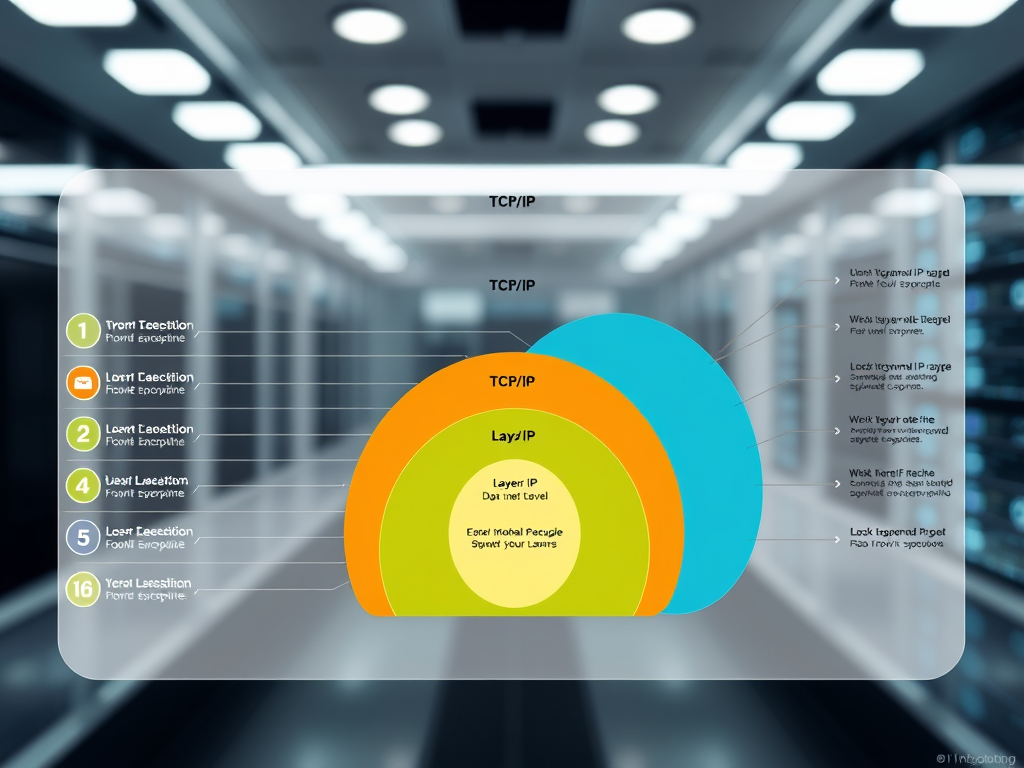
Understanding How TCP IP Relates to the OSI Model
In the complex world of computer networking, two major conceptual frameworks often come into discussion — the OSI (Open Systems Interconnection) model and the TCP/IP (Transmission Control Protocol/Internet Protocol) suite. Both serve to describe how data travels from one point to another through a network but from slightly different perspectives. Understanding how TCP/IP relates to the OSI model allows IT professionals, developers, and business owners to communicate more effectively when designing or troubleshooting network systems.
At Archer IT Solutions, we realize that clarity around these concepts helps our clients make informed technology decisions. Whether your organization uses remote computer support, web hosting, or managed IT services, understanding how these layers interact can streamline efficiency and help diagnose connectivity issues.
Below, we break down the relationship between TCP/IP and the OSI model, including visual comparisons, example references, pros and cons, and a practical troubleshooting guide.
Mapping TCP/IP Layers to the OSI Reference Model
To start, it’s important to recognize that the OSI model consists of seven layers: Physical, Data Link, Network, Transport, Session, Presentation, and Application. TCP/IP, on the other hand, uses a simplified four-layer model: Network Interface, Internet, Transport, and Application. These models represent how network data is processed and transmitted.
When mapping between the two, the TCP/IP Network Interface layer combines both the Physical and Data Link layers from the OSI model. The Internet layer corresponds to the Network layer, responsible for logical addressing through IP. The Transport layer in both models aligns directly — primarily encompassing TCP and UDP. Finally, the Application layer in TCP/IP merges the top three OSI layers: Application, Presentation, and Session.
This mapping shows how TCP/IP represents a practical implementation of networking principles, while the OSI model serves as a theoretical or teaching framework. In real-world environments, protocols like HTTP, SMTP, and FTP operate within the TCP/IP Application layer, providing real-life examples of these models at work.
Key Differences and Relationships Between TCP/IP and OSI
One of the key differences between the two is purpose. The OSI model was developed as a universal standard to facilitate communication across different systems, while TCP/IP was designed as a protocol suite to enable the practical functioning of the internet. Therefore, TCP/IP is considered more of an operational model, whereas OSI remains conceptual for reference and study.
Another distinction lies in the layer abstraction. The OSI model enforces strict separation between layers, making debugging and isolation easier in theory. TCP/IP, however, is more flexible and pragmatic. For example, its Application layer handles diverse functions such as presentation and session control — merging multiple OSI layers into one dynamic interface. This makes TCP/IP easier to implement but sometimes harder to isolate during troubleshooting.
Despite their differences, TCP/IP and OSI have a strong relationship. Understanding both helps IT professionals troubleshoot networking issues more efficiently. For instance, if data packets drop, the Transport layer (TCP/IP or OSI) can be examined for retransmission errors. Similarly, latency issues may stem from routing inefficiencies in the Internet/Network layer.
Pros and Cons
Pros:
- TCP/IP is widely adopted, proven, and scalable.
- The OSI model provides clear structure and reference points for network design.
- Combining both concepts improves network documentation and training.
Cons:
- OSI is theoretical and not fully implemented in real-world systems.
- TCP/IP can hide layer-specific issues due to combined layering.
- Beginners can find mapping between the two confusing without proper guidance.
Troubleshooting Network Layer Issues
When connectivity issues arise — such as dropped packets, time-outs, or slow responses — understanding which model layer the issue resides in is key. At Archer IT Solutions, our technicians use the layered approach to pinpoint the source of network failures. For example, if a computer connects locally but cannot reach an external server, the issue may lie in the Internet (or OSI Network) layer.
Common tools like ping, traceroute, and Wireshark correspond to these models’ layers. Ping checks connectivity at the Network layer, Traceroute maps intermediate hops, and Wireshark inspects Transport and Application level communication. Together, these tools help visualize and diagnose faults across multiple layers.
For rapid network troubleshooting, clients can reach out via:
📧 support@archer-its.com for assistance with connectivity or routing diagnostics.
Visit our Onsite or Remote Support page for hands-on assistance or Managed IT Services for continuous monitoring solutions.
External Learning Resources
- Cisco Networking Basics: OSI and TCP/IP
- NetworkLessons.com: OSI Model Deep Dive
- Microsoft Learn – TCP/IP Fundamentals
Understanding how TCP/IP relates to the OSI model empowers network professionals to combine theory with practice. The OSI model offers an educational framework to conceptualize network communication, while TCP/IP provides the actual implementation standard for Internet operations. Their interplay ensures modern networks remain robust, interoperable, and scalable.
At Archer IT Solutions, our goal is to make networking easier for your business — from managed IT support and web hosting to troubleshooting. Contact info@archer-its.com for general inquiries or sales@archer-its.com for a consultation tailored to your IT growth strategy.
Together, we can ensure your systems not only connect — but perform better, faster, and smarter.
Explore More: www.archer-its.com | Submit a Support Ticket
Discover more from Archer IT Solutons
Subscribe to get the latest posts sent to your email.


No responses yet