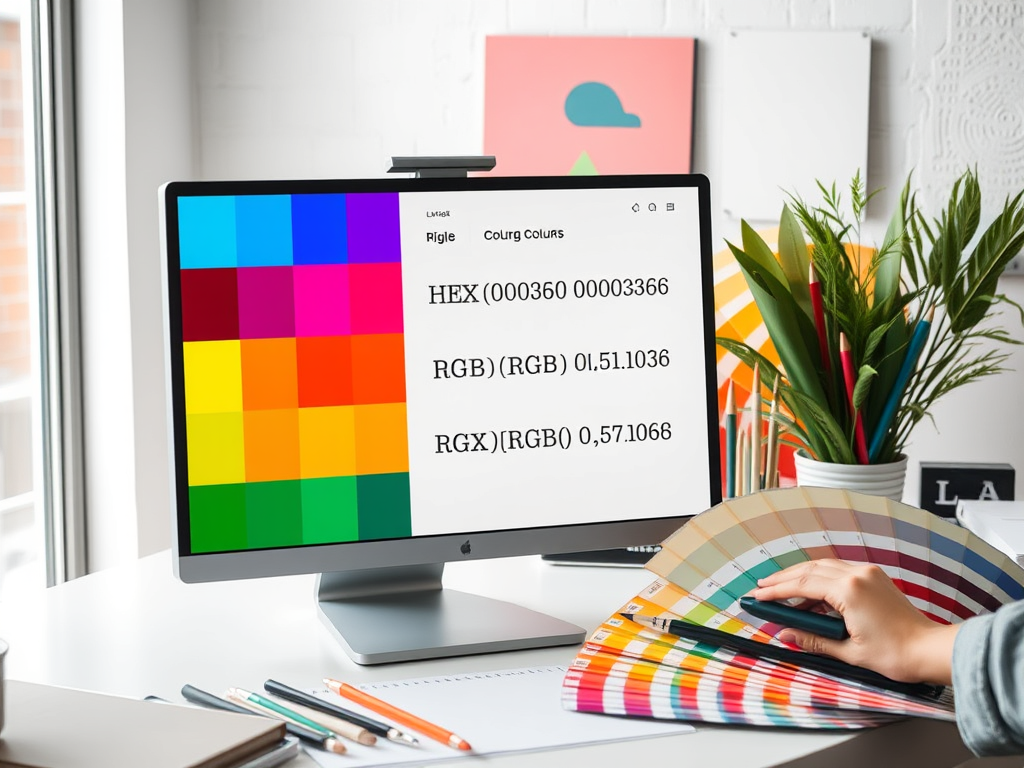
Understanding HEX and RGB Values for Brand Colors
In today’s digital landscape, color plays a crucial role in how brands are seen and remembered. Whether you are designing a new website, updating marketing materials, or creating digital assets, understanding the difference between HEX and RGB values can ensure your brand colors remain consistent everywhere they appear. By mastering these codes, designers and business owners can maintain visual unity across platforms, which strengthens brand identity and user trust.
How HEX and RGB Values Define Brand Identity

Colors are one of the first elements a user notices on a website or product, making them vital to your brand’s perception. HEX (Hexadecimal) and RGB (Red, Green, Blue) values define each digital color, ensuring that your blue, green, or orange appears exactly the same whether it’s displayed on a monitor, tablet, or phone. For brands, accuracy built on HEX and RGB standards communicates consistency, professionalism, and trust.
In digital environments, HEX values are six-digit codes prefixed with a hashtag (e.g., #003366), while RGB values define color through numeric intensity (e.g., rgb(0, 51, 102)). Both represent the same hue, but their format caters to different design tools or coding languages. Knowing how to convert between them is essential for maintaining color accuracy across media. When brand guidelines specify both HEX and RGB codes, designers and developers can effortlessly collaborate, ensuring that print and screen materials feel unified.
It’s also important to remember that our perception of color can be influenced by lighting, contrast, and surrounding visuals. A brand color may appear slightly different on an uncalibrated screen, which is why documenting exact HEX and RGB codes removes confusion. This clarity helps your visual identity remain strong and recognizable — no matter how or where it is viewed.
Choosing the Right Color Codes for Your Design

When selecting your company’s color palette, the key is not just aesthetics but alignment with your brand’s story and audience. A bold color might feel exciting for a technology company but overpowering for a healthcare brand. Using color theory in combination with your HEX and RGB codes allows designers to find a balanced palette that reflects emotion and credibility. Tools like Adobe Color or Coolors make it easier to generate and test color harmonies before applying them to digital designs.
To ensure seamless integration across platforms, you can request or identify your company’s official HEX and RGB values. For example, a brand blue might translate to #004aad (or rgb(0, 74, 173)), while a secondary accent might appear as #f4b400 (or rgb(244, 180, 0)). These codes can be embedded in web design, digital marketing, and software interfaces to maintain color continuity. If you need help determining or matching your brand HEX/RGB codes, Archer IT Solutions provides professional web design services that ensure branding precision.
Pros and Cons of HEX and RGB Usage
Pros:
- Easy to reproduce and communicate across digital platforms
- Enhances brand recognition through precise color matching
- Compatible with major design and development tools
Cons:
- RGB values are not ideal for print materials
- Colors may vary slightly on different screens due to calibration
- HEX codes can be less intuitive to remember without visual aids
Troubleshooting Color Inconsistencies

Even with defined HEX and RGB codes, you may sometimes face slight color discrepancies between devices or browsers. This is often due to monitor color profiles or display brightness. To troubleshoot, ensure that your monitor is color-calibrated using tools like DisplayCAL or built-in calibration settings.
When working across print and web formats, convert colors properly. For print, use CMYK values rather than RGB, as printers interpret color differently than screens. Design software like Adobe Photoshop or Canva provides accurate conversions and previews that help maintain brand coherence.
Lastly, always store and share your official color codes in your brand guide or design style sheet. Doing so keeps your design process consistent, reduces miscommunication, and reinforces your brand identity every time it appears—whether it’s a web page, promotional banner, or branded app interface.
Color codes such as HEX and RGB are more than just numbers—they are the building blocks of a consistent and trustworthy brand presence. By understanding these values and using them correctly, you ensure all visual communications reflect the same tone and quality. If your business requires expert help with color accuracy, web design, or brand alignment, reach out to Archer IT Solutions at info@archer-its.com or explore their Managed IT Services for comprehensive support in maintaining a seamless digital identity.
Call to Action:
Need help defining or aligning your brand colors? Visit www.archer-its.com/web-design-services to get started.
Related helpful resources:
- Color Contrast Checker – WebAIM
- Material Design Color System
- W3C Accessibility Guidelines on Color Use
Discover more from Archer IT Solutons
Subscribe to get the latest posts sent to your email.


No responses yet