Wireless networking under the IEEE 802.11 standard—commonly known as Wi-Fi—is built on a structured system of communication between devices. This structure, at its core, revolves around three main types of frames that manage every aspect of wireless data transfer, from establishing connections to maintaining smooth communication. Whether you’re a network engineer, a cybersecurity student, or simply someone curious about how Wi-Fi works, understanding these frame types is crucial to grasping how data moves invisibly around us every second.
Understanding the Three Main Types of 802.11 Frames
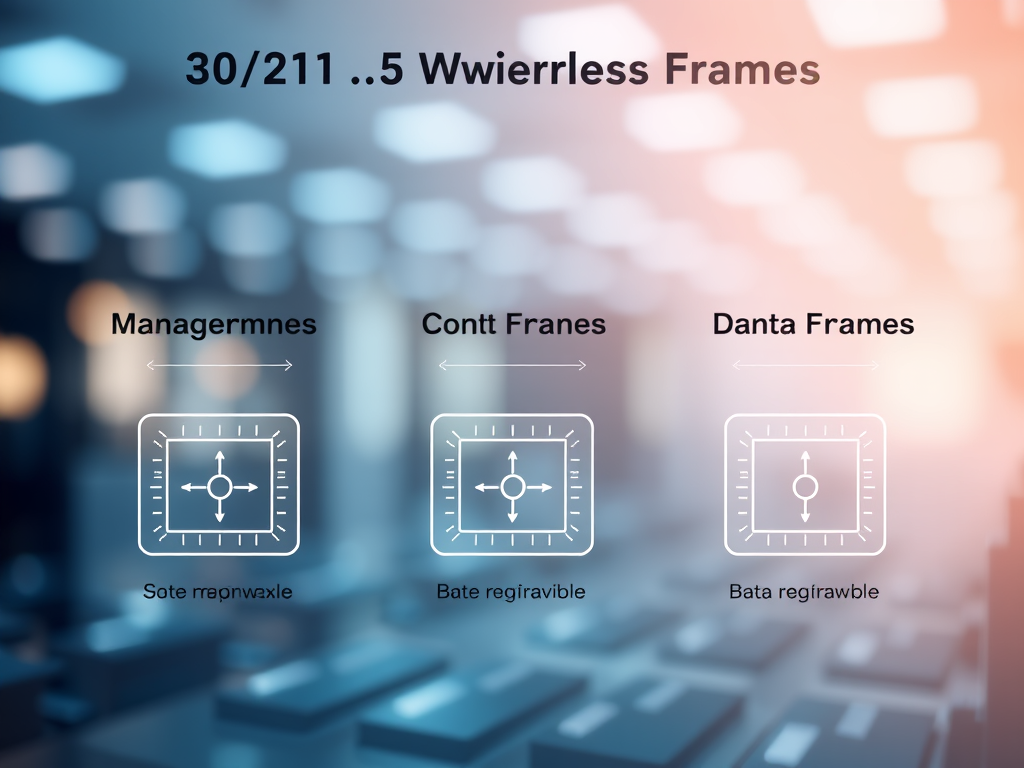
In the IEEE 802.11 standard, frames are the fundamental units of communication between devices in a wireless network. Every bit of information, from sending an email to connecting your smartphone to a router, begins with one of these frames. Broadly, there are three types of 802.11 frames: Management Frames, Control Frames, and Data Frames. Each plays a distinct yet interconnected role to ensure seamless wireless communication.
Management Frames are responsible for establishing and maintaining connections between devices—think of them as the “conversation starters” in a network. They handle processes like authentication, deauthentication, association, and beaconing. For example, when you connect to a Wi-Fi network, your device first exchanges management frames to ensure both the router and the device recognize each other and can communicate securely.
Control Frames, on the other hand, help regulate access to the transmission medium. They prevent collisions and coordinate when devices can send data. Data Frames are the payload carriers—they carry the actual user information, such as web pages or video content. Collectively, these three frame types manage the airwaves efficiently, ensuring that all users within a wireless network experience smooth, reliable performance.
Key takeaways:
- 802.11 has three frame categories: Management, Control, and Data.
- Management frames handle network setup and maintenance.
- Control frames coordinate access.
- Data frames transmit the user’s information.

Real-World Applications and Case Studies of 802.11 Frames
To illustrate how these frame types function in real scenarios, consider a public Wi-Fi network in an airport. When a traveler connects to "Airport_Free_WiFi," the device first sends Management Frames to find nearby access points and authenticate the connection. Control Frames then manage traffic so thousands of passengers can stay connected simultaneously without interference. Finally, Data Frames carry passengers’ browsing sessions, emails, and social media updates across the network.
A real-world case study from Wireshark.org shows how security analysts use frame inspection to detect unauthorized devices or rogue access points. By capturing and analyzing Management and Control Frames, analysts can identify anomalies signaling potential breaches. This process helps organizations enhance wireless security and ensure optimal performance.
In another study by the IEEE Xplore Digital Library, researchers analyzed hospital Wi-Fi networks to improve real-time data transmission between medical devices. Results showed that optimizing Control Frame timing reduced data loss by 12%, proving how frame-level management directly impacts reliability and safety in critical environments.
Key takeaways:
- Airports and public areas rely heavily on proper frame coordination to manage user loads.
- Frame analysis tools like Wireshark help pinpoint and resolve security risks.
- Healthcare and industrial networks benefit from tuning frame settings for reliability.
Understanding the three types of 802.11 frames—Management, Control, and Data—is more than just a technical curiosity; it’s a gateway to understanding how wireless communication works at its foundation. These frames quietly orchestrate the billions of digital interactions happening every second, from your home Wi-Fi connection to complex enterprise networks.
Reflect on the networks you use daily: how they connect seamlessly, maintain stability, and safeguard your data. By delving deeper into 802.11 frame behavior, you not only enhance your technical knowledge but also gain a deeper appreciation for the engineering that connects our modern world. If you’re interested in exploring this further, try capturing live traffic using tools like Wireshark—you might be surprised by the stories your Wi-Fi network tells.
Discover more from Archer IT Solutons
Subscribe to get the latest posts sent to your email.


No responses yet