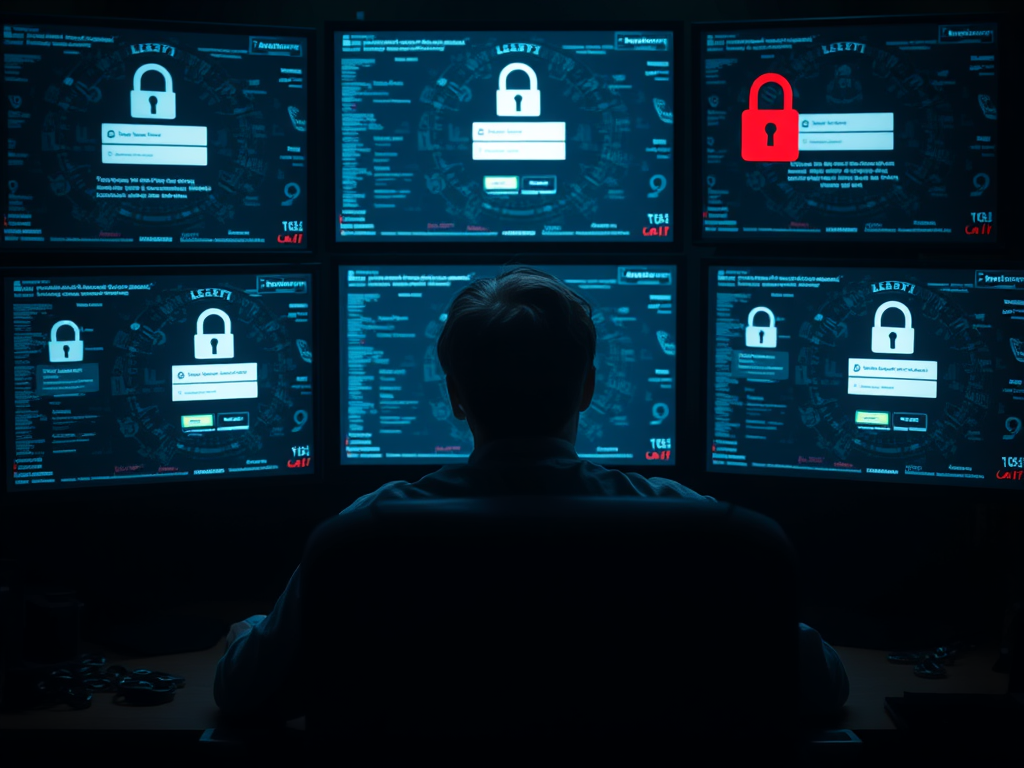
The question, “Can you provide usernames and passwords?”, may sound harmless, especially in the age of shared streaming accounts or remote team collaboration. However, the concept of sharing or requesting login credentials is more complex than it seems. Understanding why such actions can endanger personal privacy, lead to data breaches, and violate security policies is crucial in the digital world we live in today. This article explores the risks behind sharing logins and illustrates real-world examples that demonstrate just how significant the consequences can be.
Understanding Why Sharing Logins Can Be Risky
When someone asks for a username and password—whether for a Netflix account, a corporate platform, or an educational portal—they are asking for direct access to personal or organizational data. Although intentions might seem innocent, providing such details can compromise your security posture. According to Verizon’s 2023 Data Breach Investigations Report, over 61% of breaches involved compromised credentials. Once login details are shared, control over how they are used, stored, or further shared is lost.
Cybercriminals often exploit reused passwords across multiple sites. If your credentials for one service are leaked, hackers can use them to access your other accounts—a method called credential stuffing. This not only endangers personal accounts but also creates potential entry points for attacks on employers, clients, or connected systems. It’s important to practice good password hygiene: use unique passwords, enable multi-factor authentication (MFA), and avoid sharing login info under any circumstances.
Key takeaways include:
- Protecting login credentials protects both personal and professional data.
- Credential reuse increases vulnerability across multiple platforms.
- Multi-factor authentication (MFA) significantly strengthens account security.
Real Case Studies on Account Security and Privacy
One well-known case involved Dropbox in 2012, when hackers obtained over 68 million user credentials from an earlier breach due to reused passwords. Even though it happened years prior, users who shared or reused passwords were severely affected. This case highlighted the importance of frequent password updates and demonstrated the danger of storing sensitive information in shared accounts.
(Source: Dropbox Security Blog)
In another incident, The Colonial Pipeline ransomware attack (2021) was reportedly linked to a compromised VPN password. The account, which lacked MFA, gave attackers access to critical infrastructure systems. The aftermath led to nationwide fuel shortages and demonstrated how a single compromised password could cause large-scale damage.
(Source: CISA Report)
Even social media hasn’t been spared. In 2020, multiple high-profile Twitter accounts, including those of public figures, were hijacked by attackers through internal credential compromises. The event raised awareness for internal access control, emphasizing that not even large organizations are immune.
(Source: Twitter Official Blog)

Protecting usernames and passwords isn’t merely a technical requirement—it’s a personal responsibility. Every shared password or unprotected login could open the door to identity theft, financial loss, or privacy invasion. By maintaining good password practices, enabling MFA, and staying aware of phishing strategies, users can significantly reduce their exposure to digital threats.
As you reflect on your personal security habits, ask yourself: “Would I trust someone else with my digital identity?” If the answer is no, then treating your credentials with care becomes an act of self-preservation. Strengthening awareness today ensures a safer online experience for everyone tomorrow.
 Mini Mini | Standard | Domain Only |  Reseller 1 Reseller 1 | Reseller 2 | Reseller 3 |
| $12 per year | $9.99/month | low yearly prices | $20/month | $37.50/month | $50/month |
| *10 GB Space** *100 GB Bandwidth** *FTP access *10 email account *PHP/CGI/PERL/SSI Support *SSL | *100 GB Space** *1TB Bandwidth** *10 FTP accounts *100 email account *PHP/CGI/PERL/SSI Support *10 Databases *SSL WordPress, Joomla, or Drupal hosting | *10 Domains *10 GB Diskspace *200 GB of traffic *10 Databases *10 Mailboxes *WordPress options | *25 Domains *30 GB Diskspace *600 GB of traffic *30 Databases *30 Mailboxes *WordPress options | *50 Domains *60 GB Diskspace *1200 GB of traffic *60 Databases *60 Mailboxes *WordPress options | |
| Specials | |||||
 3 months on us. 1TB Bandwidth, FTP accounts, email accounts, PHP/CGI/PERL/SSI SupportD, Databases, Ability to add WordPress, Joomla, or Drupal. 3 months on us. 1TB Bandwidth, FTP accounts, email accounts, PHP/CGI/PERL/SSI SupportD, Databases, Ability to add WordPress, Joomla, or Drupal.
Don’t wait — grab your deal and launch today ** temporary offered | |||||
Discover more from Archer IT Solutons
Subscribe to get the latest posts sent to your email.


No responses yet