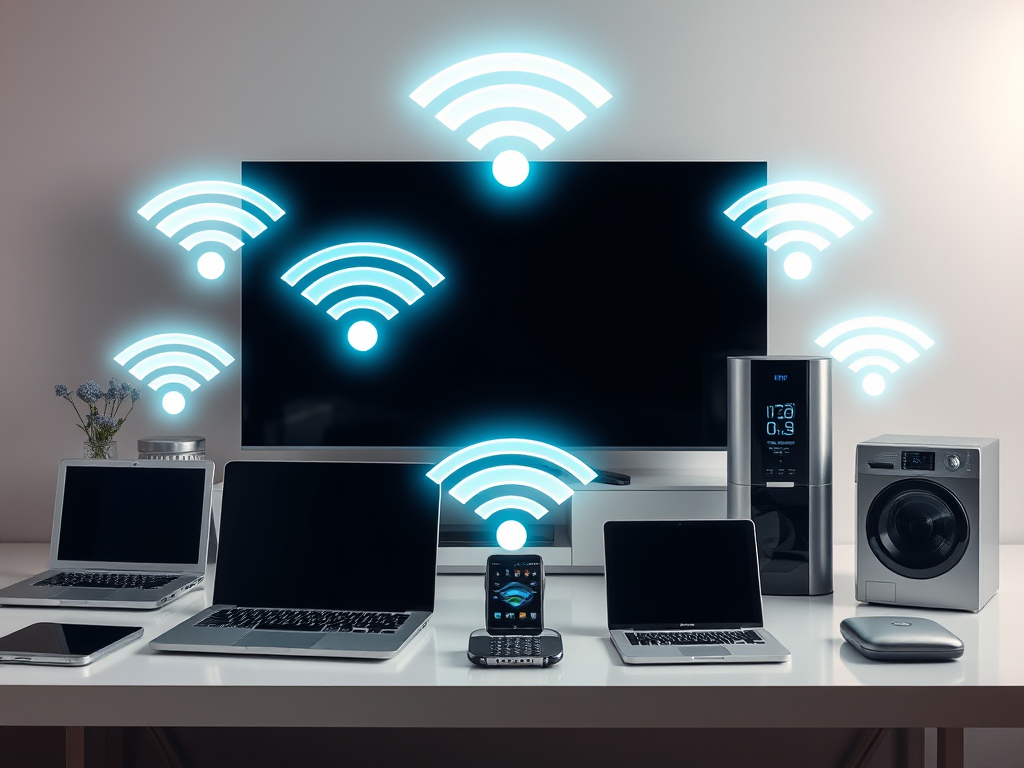
In today’s hyperconnected world, WiFi plays a central role in linking our devices — from laptops and smartphones to smart TVs and even household appliances. The concept that WiFi is compatible with devices might seem simple, but it actually represents a powerful technological synergy that defines the modern digital experience. Compatibility ensures that no matter the brand, operating system, or device type, our networks enable seamless communication and access to information.

Exploring How WiFi Compatibility Enhances Connectivity
WiFi compatibility has evolved significantly over the past decade. Early wireless networks often faced challenges with differing standards and configurations, but modern devices are built on universal IEEE 802.11 protocols, ensuring streamlined communication. This standardization allows users to connect a variety of devices — computers, smartphones, gaming consoles, and even medical equipment — with minimal setup and maximum stability.
This compatibility enhances productivity and convenience across both personal and professional spaces. In offices, for instance, employees can share files instantly and collaborate in cloud environments without being tethered to cables. In homes, WiFi integration allows users to manage lighting, security, and entertainment systems through a unified network. Faster speeds and stronger signal reliability contribute to smoother multitasking and uninterrupted streaming.
Several studies reinforce the significance of WiFi compatibility. According to a 2023 report from Statista, over 18 billion WiFi-enabled devices exist worldwide, with compatibility being a key reason for their seamless operation. Standardized protocols ensure that even older gadgets can connect to newer routers, extending their usability and reducing electronic waste — a win for both users and the environment.
Key Takeaways:
- Universal WiFi standards (IEEE 802.11) ensure device interoperability.
- Compatibility improves efficiency, convenience, and longevity of devices.
- Seamless connectivity supports both sustainability and innovation.
Real-World Case Studies Show Benefits of Device Synergy
Real-world applications reveal how WiFi compatibility transforms connectivity into meaningful human benefits. For instance, at Singapore’s Changi Airport, WiFi-compatible systems link everything from passenger kiosks to security robots. This network not only improves operational efficiency but also enhances traveler experiences by enabling smooth data exchange and real-time updates (source).
In the healthcare sector, device synergy via WiFi plays a crucial role. Hospitals like Mayo Clinic utilize WiFi-enabled monitoring systems that connect wearable devices and patient records, allowing medical professionals to access real-time health data. This level of compatibility ensures better treatment outcomes and faster response times in critical scenarios (source). Such examples underline how universal connectivity can significantly improve quality of life through technology.
Education has also benefitted from WiFi device compatibility. Institutions using Google Classroom or Microsoft Teams for Education rely on WiFi networks that can seamlessly accommodate various devices — from Chromebooks to tablets — ensuring equal learning opportunities. According to UNESCO, more than 65% of global schools have integrated WiFi-supported digital learning systems since 2020, fueling innovation in remote and hybrid education models.
Key Takeaways:
- WiFi compatibility extends beyond convenience to life-improving use cases.
- Healthcare, education, and transport industries thrive due to network synergy.
- Real-world data supports the critical role of universal connectivity.
The compatibility of WiFi with an ever-expanding ecosystem of devices demonstrates more than just technological progress — it reflects humanity’s drive toward seamless, sustainable, and inclusive connectivity. From smart homes to global institutions, the synergy between networks and devices is redefining how we work, learn, and live.
As users, it’s worth considering how your personal or professional environment can benefit from upgraded WiFi compatibility. Are there devices you could integrate more efficiently, or networks you could optimize for better performance? Reflecting on these questions may inspire actionable steps toward a more interconnected and efficient digital lifestyle.
Discover more from Archer IT Solutons
Subscribe to get the latest posts sent to your email.


No responses yet