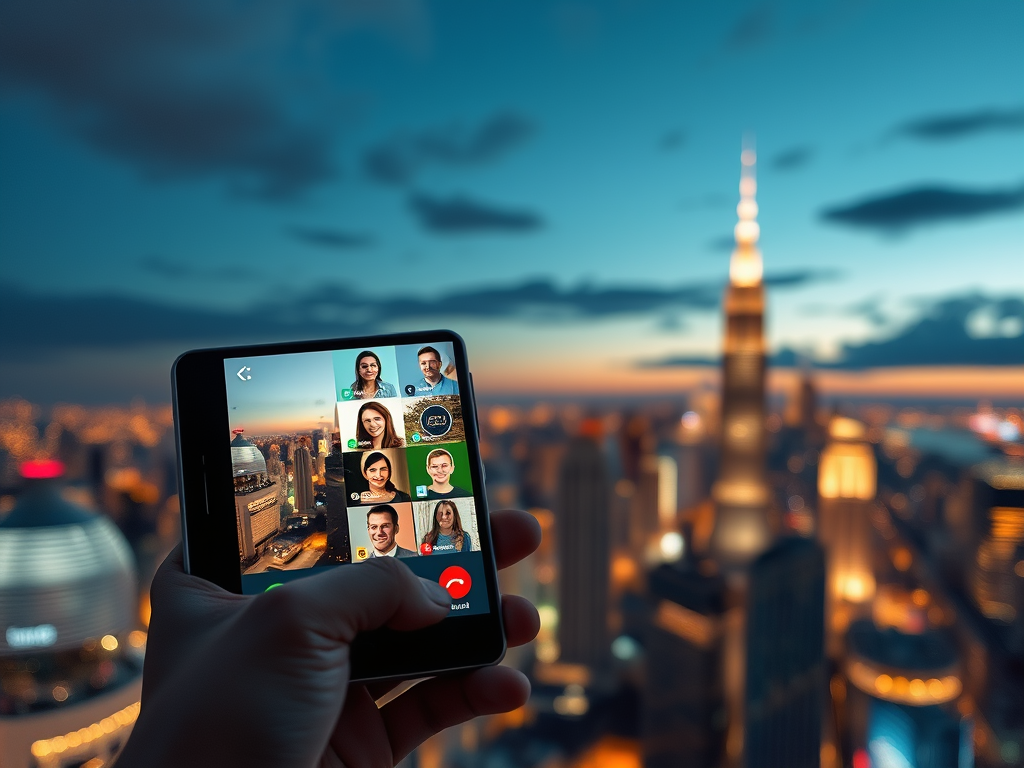
The introduction of third-generation (3G) wireless technology changed how people connected to the internet, communicated with others, and conducted business worldwide. Before 3G, mobile networks primarily supported voice and basic text services, offering limited data speeds. The implementation of 3G technology in the early 2000s marked the beginning of a new era for mobile broadband, video calls, and mobile commerce.
The Global Rollout of 3G: When It All Began
3G, short for "third generation," was first commercially implemented in 2001. Japan led this change through NTT DoCoMo, launching the first 3G network under its FOMA (Freedom of Mobile Multimedia Access) service. Shortly thereafter, other regions such as Europe and South Korea followed suit, bringing faster mobile data speeds to millions of users. This launch marked a critical turning point, enabling mobile internet access for the first time at speeds significantly faster than previous 2G technology.
In the early 2000s, several countries began deploying 3G networks globally. For example, the United Kingdom introduced 3G services in 2003 through networks like Three (3). Meanwhile, the United States saw carriers such as Verizon Wireless and AT&T begin adopting 3G protocols around 2004, offering users enhanced internet browsing, mobile email, and multimedia messaging capabilities. According to the International Telecommunication Union (ITU), 3G standards were officially ratified as IMT-2000, laying the foundation for modern mobile communication as we know it.
By 2010, over 500 million global users were connected to 3G networks, representing a major technological leap. This widespread adoption paved the way for innovations like video streaming, GPS navigation, and early mobile applications. For a technical overview of 3G developments, resources such as GSMA Intelligence and ITU provide valuable insights into global telecommunications progress.
Summary – Key Takeaways:
- 3G was first implemented in 2001 in Japan.
- NTT DoCoMo’s FOMA service pioneered commercial 3G usage.
- By 2010, millions worldwide relied on 3G for data and communication.
Real-World Impact of 3G on Communication and Business
The real-world impact of 3G technology went far beyond faster data rates—it transformed entire industries. Businesses gained the ability to communicate seamlessly using mobile video conferencing, remote file transfers, and cloud-based applications. This development allowed small and mid-sized enterprises to operate more efficiently and stay connected with clients globally. Services like Skype (launched in 2003) and BlackBerry emails became indispensable tools for professionals on the go.
Consumers also benefited significantly. Mobile users began using smartphones for navigation through Google Maps, media streaming via YouTube Mobile, and social networking apps like Facebook Mobile. This change reshaped communication habits worldwide and gave birth to the app-driven economy. According to Statista, mobile internet users grew by nearly 300% between 2005 and 2012, mostly due to widespread 3G availability.
However, 3G wasn’t without its challenges. Some users experienced limited coverage, slower speeds during congestion, and compatibility issues with earlier 2G-only devices. Many also faced plugin and app compatibility troubles, particularly with older software designed for 2G protocols. In such cases, troubleshooting often involved updating mobile firmware, checking carrier network settings, or contacting professional IT support. Businesses like Archer IT Solutions offer services that help address such compatibility and networking concerns through:
For support related to mobile or plugin integration issues, users can reach Archer IT Solutions through
📧 support@archer-its.com or their support portal.
Pros of 3G:
- Faster mobile internet speeds than 2G
- Introduced mobile video calls and multimedia streaming
- Enabled cloud-based apps and mobile productivity
Cons of 3G:
- Higher battery consumption
- Coverage inconsistencies in rural areas
- Obsolescence with the rise of 4G and 5G
Summary – Key Takeaways:
- 3G boosted business mobility and consumer connectivity.
- App usage, video calls, and location-based services thrived.
- Troubleshooting involved network updates or IT support assistance.

Image Source: Wikimedia Commons
The implementation of 3G technology in 2001 marked a defining moment in mobile communication history, bridging the gap between early digital networks and our modern, app-driven world. Its global rollout introduced fast mobile internet, reshaped digital businesses, and enhanced daily communication across continents.
Today, as we stand in the 5G era, understanding 3G’s timeline reminds us how innovation builds upon prior breakthroughs. If you’re reflecting on how your business could adapt to evolving network technologies or improve connectivity, consider reviewing your current infrastructure. For tailored IT support or web hosting optimization, visit Archer IT Solutions or reach out to their expert team for guidance.
Reflect on this: How has your workflow or communication evolved since the advent of mobile internet? Thinking about that evolution might help you plan for the next leap in connectivity.
Discover more from Archer IT Solutons
Subscribe to get the latest posts sent to your email.


No responses yet