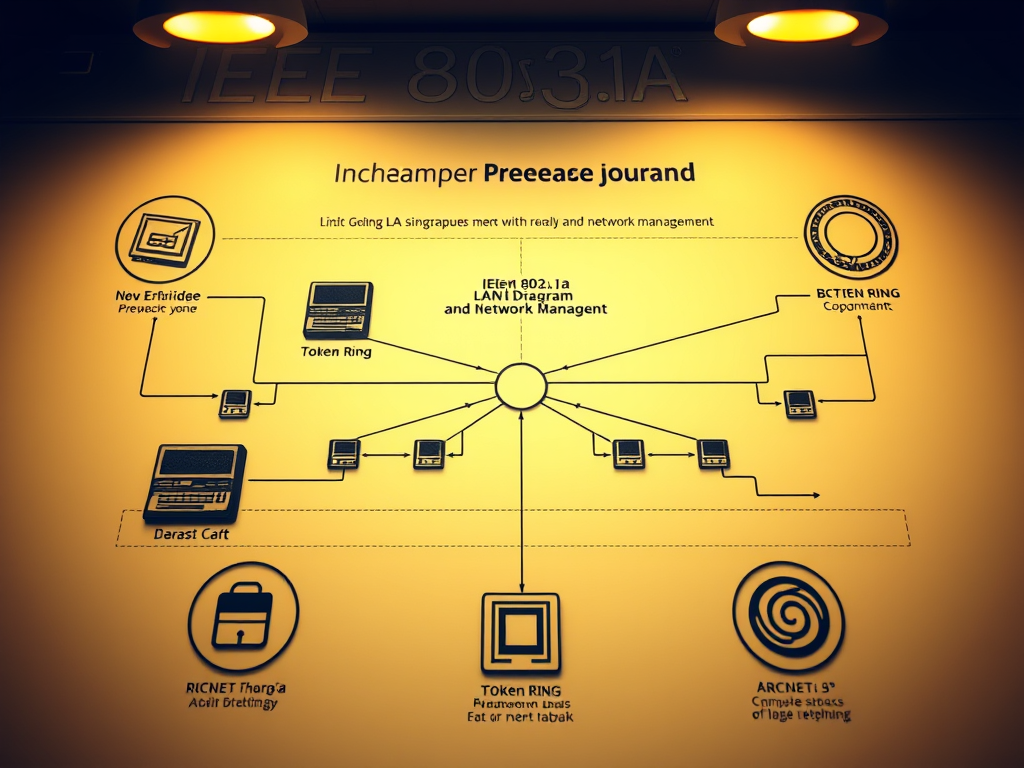
Introduction of IEEE 802.1a Standard in 1983 Explained
The IEEE 802.1a standard, introduced in 1983, laid the foundation for modern networking as we know it today. It was a pivotal development in how local area networks (LANs) coordinated communication, formed administrative domains, and set the groundwork for data traffic standards that remain in use across enterprises worldwide. This article explores how it originated, what it introduced, and why it remains important for IT professionals and organizations alike.
Understanding the IEEE 802.1a Standard Origin in 1983
The IEEE 802.1a standard came to life in 1983 as part of the IEEE 802 family of standards developed by the Institute of Electrical and Electronics Engineers (IEEE). It focused on establishing an architectural framework to manage inter-network communication, particularly for local area networks (LANs). This period marked the rise of Ethernet, Token Ring, and ARCNET — technologies that were beginning to standardize how computers communicated. IEEE 802.1a unified these diverse environments under a common management and internetworking model.
The introduction of 802.1a helped enterprises implement structured policies for LAN operation, including defining relationships between multiple network segments. It essentially introduced the concept of LAN bridging and network layer management, ensuring that devices could intercommunicate even when developed by different vendors. Without this coordination effort, the widespread adoption of Ethernet and other protocols might have remained fragmented, creating isolated “islands” of connectivity.
From an industry perspective, IEEE 802.1a was a milestone that encouraged interoperability and improved the flexibility of network infrastructures. These fundamental ideas evolved into later versions such as IEEE 802.1D and 802.1Q, which brought spanning tree protocols and VLAN tagging into mainstream use. In essence, the 1983 standard was the seed that grew into today’s complex, yet unified, networking landscape.
Key Features and Impact of IEEE 802.1a on Networking
IEEE 802.1a introduced key principles that influenced global networking architectures, including bridging, network management, and hierarchical control. One significant feature was the ability to create transparent bridges that allowed seamless data flow between separate LAN segments. This ensured smooth handling of packets and minimized data collisions — a crucial improvement in the early days of network design.
Its implementation also paved the way for robust network policy enforcement and administrative domain control. By structuring how network elements communicated, it established the technical baseline for Quality of Service (QoS) management and network fault isolation. Over time, these mechanisms were refined into tools that administrators use daily, such as VLANs and advanced routing policies.
In terms of its impact, IEEE 802.1a helped standardize communication between different vendor technologies, improving both performance and reliability. It became the backbone for enterprises transitioning from small, siloed networks to scalable architectures that could handle growing traffic and user demand. This standard also fostered network security awareness, giving rise to methods used in authentication and layered access control.
Pros and Cons of IEEE 802.1a
Pros:
- Introduced unified LAN management principles.
- Enhanced cross-vendor interoperability.
- Laid groundwork for future protocols like 802.1D and 802.1Q.
Cons:
- Early implementations were complex to configure.
- Limited scalability by today’s standards.
- Required specialized technical knowledge for deployment.
Troubleshooting and Maintenance
While 802.1a itself is an early standard, the principles still apply. Network troubleshooting typically involves verifying bridge configurations, ensuring that devices support appropriate 802.1-compliant communication, and confirming that spanning tree or VLAN settings are properly managed. Many IT professionals also use diagnostic tools like Wireshark or SolarWinds Network Performance Monitor to trace compatibility issues that often root back to misconfigured 802.1 architecture.
If your business relies on structured LAN environments and you encounter performance issues or legacy compatibility challenges, consider working with experienced IT partners like Archer IT Solutions. They specialize in managed IT services, LAN optimization, and network troubleshooting — offering both onsite and remote support through www.archer-its.com/onsite-service.
For technical assistance or deeper network insight, check out IEEE 802 Working Group resources and documentation by the IEEE Standards Association, both invaluable for IT professionals studying LAN standard history and evolution.
The IEEE 802.1a standard of 1983 symbolizes the genesis of modern LAN management. Its introduction unified early computer networks under a single communication model, allowing interoperability, stability, and structure where chaos might have prevailed. Although subsequent standards have refined and replaced some of its functions, its legacy still thrives in enterprise networking today. For organizations managing network performance or seeking professional support, Archer IT Solutions offers tailored services through Managed IT Services and technical help via support@archer-its.com. Explore, enhance, and evolve your network — the way IEEE envisioned decades ago.
Discover more from Archer IT Solutons
Subscribe to get the latest posts sent to your email.


No responses yet