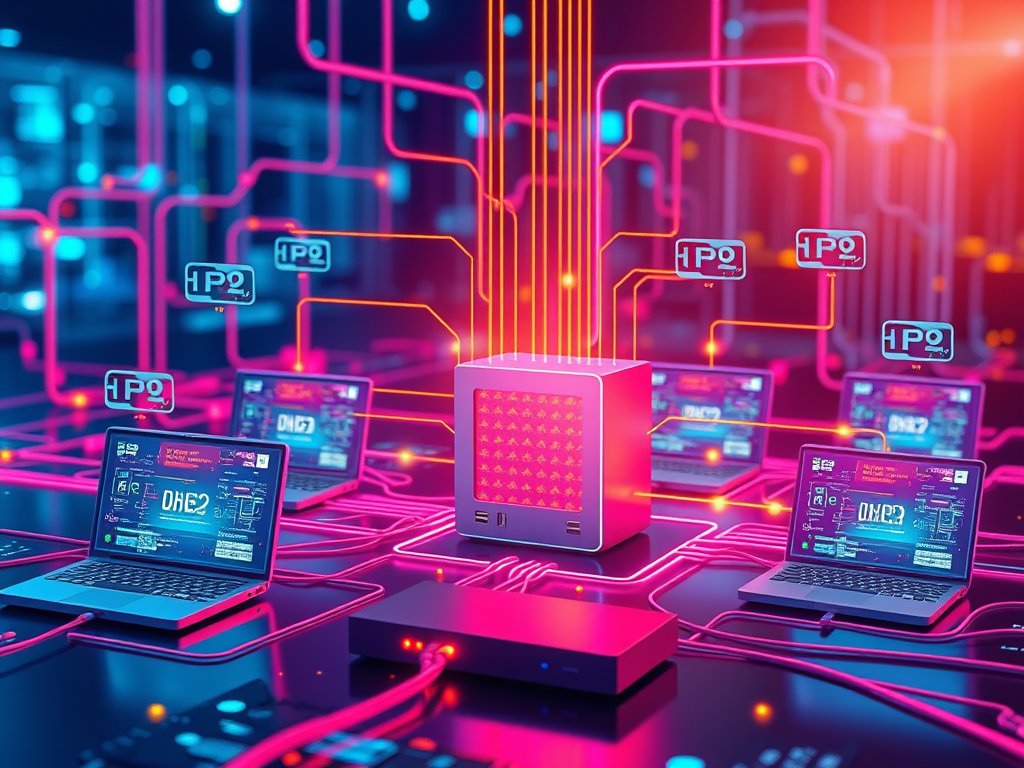
Understanding How DHCP Servers Simplify Network Management
In today’s hyper-connected world, managing network configurations manually can be a daunting task—especially for organizations with dozens or even thousands of devices. This is where Dynamic Host Configuration Protocol (DHCP) servers step in to make network management more efficient, scalable, and secure. But what exactly is a DHCP server, and how does it help simplify these processes? Let’s dive in.
A DHCP server is a network service that automatically assigns IP addresses and other critical network parameters—such as the default gateway, subnet mask, and DNS servers—to devices (known as clients) as they connect to a network. Traditionally, network administrators had to assign IP addresses manually, a tedious and error-prone task. With DHCP, that process becomes dynamic and automated, ensuring that no two devices receive the same IP address and minimizing configuration errors.
Beyond simply assigning IP addresses, DHCP servers play a vital role in maintaining network consistency and performance. They keep track of available IP ranges using a lease system, which allocates an IP address for a defined period. Once expired, the address returns to the pool for reuse, optimizing IP utilization. This system is especially beneficial for large or frequently changing environments, such as offices, universities, or public Wi-Fi networks, where devices constantly connect and disconnect.
Key Takeaways:
- DHCP simplifies IP management and reduces manual configuration errors.
- It helps avoid IP conflicts by dynamically assigning unique addresses.
- The lease-based system improves IP utilization and scalability.

Real-World Examples Showcasing DHCP Efficiency and Benefits
One clear example of DHCP efficiency can be seen in enterprise networks such as those managed by universities. For instance, Stanford University’s IT department uses DHCP to manage thousands of devices across multiple campuses. With automated IP assignment, they ensure that students, faculty, and guests can connect seamlessly without needing manual setups. This approach not only reduces administrative overhead but also enhances network reliability and security through consistent configuration policies.
In corporate settings, companies like IBM have implemented large-scale DHCP infrastructures to handle vast hybrid environments combining local and cloud networks. According to an internal case report, automating DHCP reduced manual configuration time by over 60% and significantly lowered the rate of configuration errors. This improvement streamlined employee onboarding and remote access, leading to higher overall network uptime.
Smaller organizations and even home users benefit, too. Home routers often act as mini DHCP servers, automatically assigning IP addresses to laptops, phones, and IoT devices. Platforms such as pfSense or OpenWrt provide open-source DHCP services that anyone can configure on their network equipment. This accessibility empowers users to manage devices effectively without requiring advanced technical expertise.
Key Takeaways:
- DHCP scales well from small home networks to global enterprise environments.
- Automation improves security, reduces manual effort, and enhances uptime.
- Open-source DHCP tools increase accessibility for individuals and small teams.

In conclusion, DHCP servers are the unsung heroes of digital connectivity—working behind the scenes to ensure that devices join networks easily and communicate without interruption. From massive corporate ecosystems to everyday home Wi-Fi setups, DHCP simplifies management, improves security, and enhances efficiency. As networks continue to grow in complexity, reflecting on your own setup is worthwhile: could DHCP optimization make your network faster, more reliable, or easier to manage? Understanding and leveraging DHCP effectively might just be the key to a smoother connected experience.
Discover more from Archer IT Solutons
Subscribe to get the latest posts sent to your email.


No responses yet