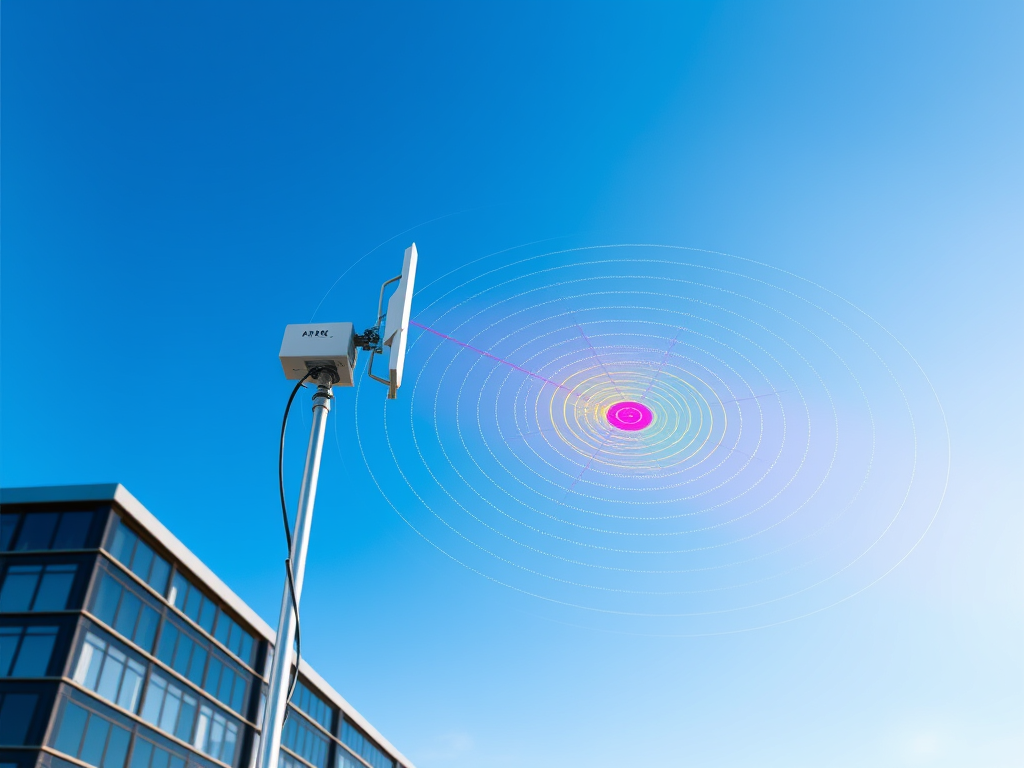
The IEEE 802.16e standard—commonly referred to as Mobile WiMAX—was developed to enhance broadband wireless access for mobile and fixed users alike. Known for its balance between speed, mobility, and range, 802.16e became one of the key enablers of high-speed wireless communication in urban, suburban, and rural environments. This article delves into the practical range of the standard, its core capabilities, and how it continues to influence connectivity solutions around the world.
Understanding the Range and Reach of 802.16e
The range of the 802.16e standard typically covers from 2 to 5 miles (3–8 km) for mobile users and can extend up to 30 miles (50 km) for fixed stations under optimal conditions. The exact reach depends on environmental factors such as terrain, antenna height, interference, and network configurations. Compared to traditional Wi‑Fi, this wide range allows 802.16e to serve remote areas where standard broadband infrastructure may not be available.
Directionally optimized base stations further improve link quality, using line‑of‑sight (LOS) and non‑line‑of‑sight (NLOS) technologies to maintain strong connections even in challenging environments. These technical adaptations make the standard particularly effective for regional broadband providers and businesses seeking extended wireless backhaul coverage.
Key Takeaways:
- 802.16e can maintain stable connections across long distances.
- Optimized antenna designs enhance performance in varying landscapes.
- Supports both fixed and mobile broadband, bridging rural connectivity gaps.
Summary:
The 802.16e standard offers exceptional range scalability, making it a powerful wireless solution for enterprise networks, public access points, and remote infrastructure projects.
Capabilities and Performance Insights of 802.16e
The 802.16e standard is built around OFDMA (Orthogonal Frequency Division Multiple Access), enabling efficient frequency use and high throughput. Typical data rates range between 1–10 Mbps per user, depending on network setup. The mobility support (up to 120 km/h) ensures smooth transitions between base stations, making it ideal for moving users or transportation systems.
Performance metrics also highlight strong QoS (Quality of Service) capabilities—ensuring consistent communication for voice, video, and data services. From a business standpoint, this makes 802.16e a versatile technology for corporate campuses, municipalities, and managed IT networks served by providers such as Archer IT Solutions.
Pros and Cons:
- ✅ Pros: Extensive coverage, mobility support, robust QoS, cost-effective deployment.
- ❌ Cons: Limited interoperability with newer LTE/5G standards and higher latency than fiber connections.
Summary:
802.16e brings reliable broadband service to diverse scenarios. With properly tuned antennas and configurations, businesses can extend connectivity and reduce infrastructure dependency significantly.
Troubleshooting and Practical Integration
Common issues with 802.16e include signal degradation, channel interference, and firmware compatibility conflicts with network plugins. Troubleshooting often involves reconfiguring frequency channels, updating base station software, or adjusting antenna alignment to optimize signal-to-noise ratios.
For developers or IT administrators managing WiMAX integrations within cloud or hosting environments, reliable support channels are crucial. Organizations such as Archer IT Solutions Support provide assistance for web hosting, on-site, and remote technical services. Users experiencing persistent plugin or synchronization issues can reach out via support@archer-its.com for help.
Summary:
Monitoring system compatibility and optimizing configurations ensures long-term stability. Seeking expert guidance can prevent downtime and maximize network efficiency.

External Reference Resources:
- IEEE 802.16 Working Group Overview
- WiMAX Forum Technical Documents
- Federal Communications Commission (FCC) Resource Library
As connectivity demands continue to evolve, the 802.16e standard remains a pivotal steppingstone in wireless broadband innovation. Whether you’re an IT administrator optimizing your network for remote access, or a small business extending its communication infrastructure, understanding the range and performance of 802.16e can help guide your planning decisions.
Reflect on your current connectivity needs—could extended broadband or managed IT support improve your efficiency? To explore solutions tailored for you, contact Archer IT Solutions via www.archer-its.com, or submit a ticket at www.archer-its.com/ticket/ for expert guidance within 24 hours.
Discover more from Archer IT Solutons
Subscribe to get the latest posts sent to your email.


No responses yet