Exploring the Pros and Cons of Different Network Types
In the modern digital age, networks form the backbone of our connected world. From simple home Wi-Fi setups to expansive corporate LANs and cloud-based WANs, understanding the pros and cons of different network types is essential for businesses and individuals alike. This guide explores how various networks function, what strengths they offer, and the common challenges they present — all while identifying effective troubleshooting strategies to maintain smooth operations.
Understanding the Strengths of Various Network Types
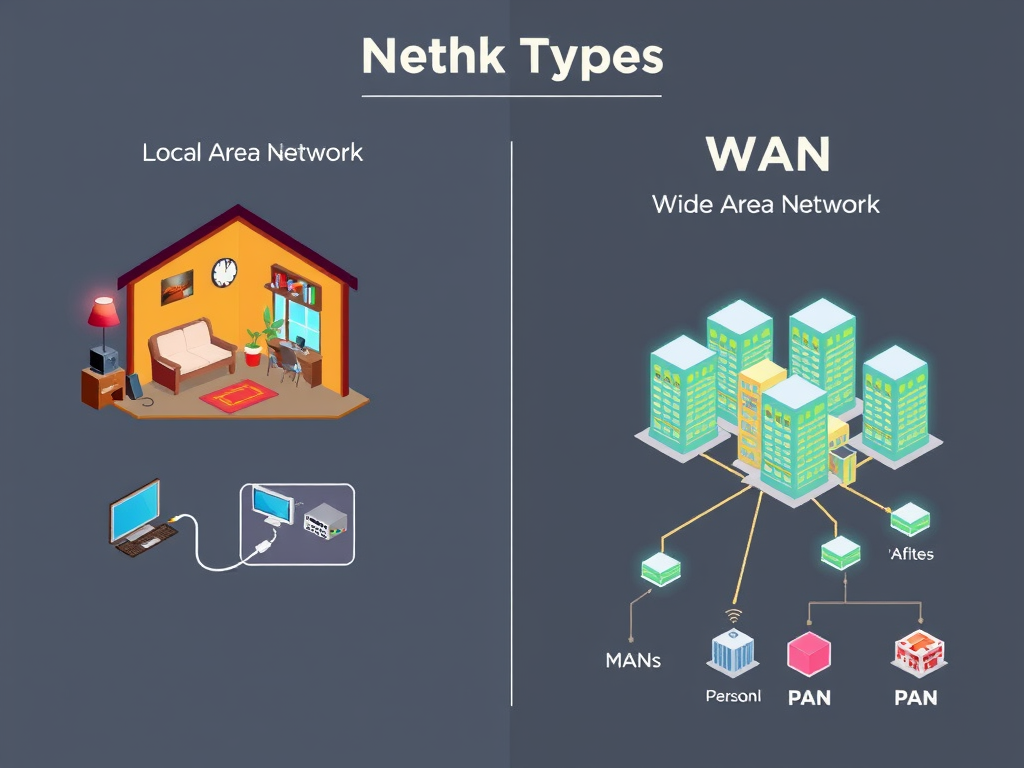
Local Area Networks (LANs) remain the most common network type for homes and small businesses. Their key advantage lies in speed and control. LANs are typically managed within a limited geographic area and offer users high data transfer rates. This makes them ideal for sharing files, printers, and internet resources within a confined space. Moreover, they provide security benefits since access can be easily restricted to specific users or devices.
Wide Area Networks (WANs), on the other hand, connect users across long distances. Think of WANs as the backbone of corporate and cloud communications — the type that links multiple office locations or remote data centers. Their strength lies in scalability and global reach, making them indispensable for enterprises with geographically dispersed teams. Advanced WAN technologies such as MPLS (Multiprotocol Label Switching) and SD-WAN provide flexibility, ensuring optimized data flow and reliable connectivity.
Metropolitan Area Networks (MANs) and Personal Area Networks (PANs) fill the gaps between LANs and WANs. MANs serve larger campuses or city regions, offering faster speeds than WANs and broader coverage than LANs. PANs, including Bluetooth or hotspot networks, focus on personal device connectivity. Each of these network types supports unique scenarios. Choosing the right one depends on an organization’s scale, security requirements, and data management needs.
For setting up secure network solutions or managed IT services, Archer IT Solutions provides expert consultation and implementation. Businesses can explore reliable Web Hosting and Managed IT Support plans tailored for different networking environments.
Key Drawbacks and Troubleshooting Common Issues
Despite their benefits, different network types come with distinct disadvantages. LANs, for instance, require regular hardware maintenance and can be costly to expand beyond their initial scope. WANs often suffer from latency due to the physical distance between nodes, impacting performance for time-sensitive applications. Additionally, network configurations such as VPNs over WANs can add complexity for non-technical users.
Compatibility is another frequent issue. As technology evolves, devices and software may no longer integrate seamlessly. For example, older routers might not support new protocols, leading to connection drops or reduced speed. Troubleshooting typically involves checking firmware updates, running diagnostics, or verifying that cables and access points are functioning properly. Organizations often rely on managed network monitoring to detect and resolve these issues proactively.
Security vulnerabilities also exist across network types. Open Wi-Fi signals in a PAN, or misconfigured firewalls in a LAN, can expose sensitive data. Regular audits and controlled access policies are critical, alongside reliable support from a professional IT partner. If troubleshooting becomes complex, technical issues can be directed to Archer IT Solutions’ Support Ticket Center or via email at support@archer-its.com, where responses are guaranteed within 24 hours.
Exploring the pros and cons of different network types allows businesses and individuals to make smarter infrastructure decisions. Whether configuring a LAN for office collaboration or managing a WAN for global operations, reliability, security, and efficiency remain top priorities. For tailored solutions in network setup, management, or troubleshooting, Archer IT Solutions offers experienced guidance through services like Onsite or Remote Support, Web Design, and Managed IT Services. In a world that depends on seamless connectivity, choosing the right network — and the right support partner — ensures your systems run at their full potential.
Discover more from Archer IT Solutons
Subscribe to get the latest posts sent to your email.


No responses yet