Exploring the Best Hosting Plans for Your Website
Building a website starts with one crucial step—choosing the right hosting plan. Whether you’re a blogger, a small business owner, or an enterprise managing an e-commerce platform, your hosting choice determines how efficiently your site loads, how well it scales with traffic, and how secure it remains. Understanding the differences between available hosting types can help you make an informed and future-proof decision.
Selecting a hosting plan isn’t just about cost; it’s about matching functionality to your needs. From shared hosting for beginners to virtual private servers (VPS) and dedicated plans for advanced users, each option offers different levels of performance and control. Statistics from Hosting Tribunal show that over 62% of websites are hosted on shared servers, demonstrating how accessible this option is for those starting out.
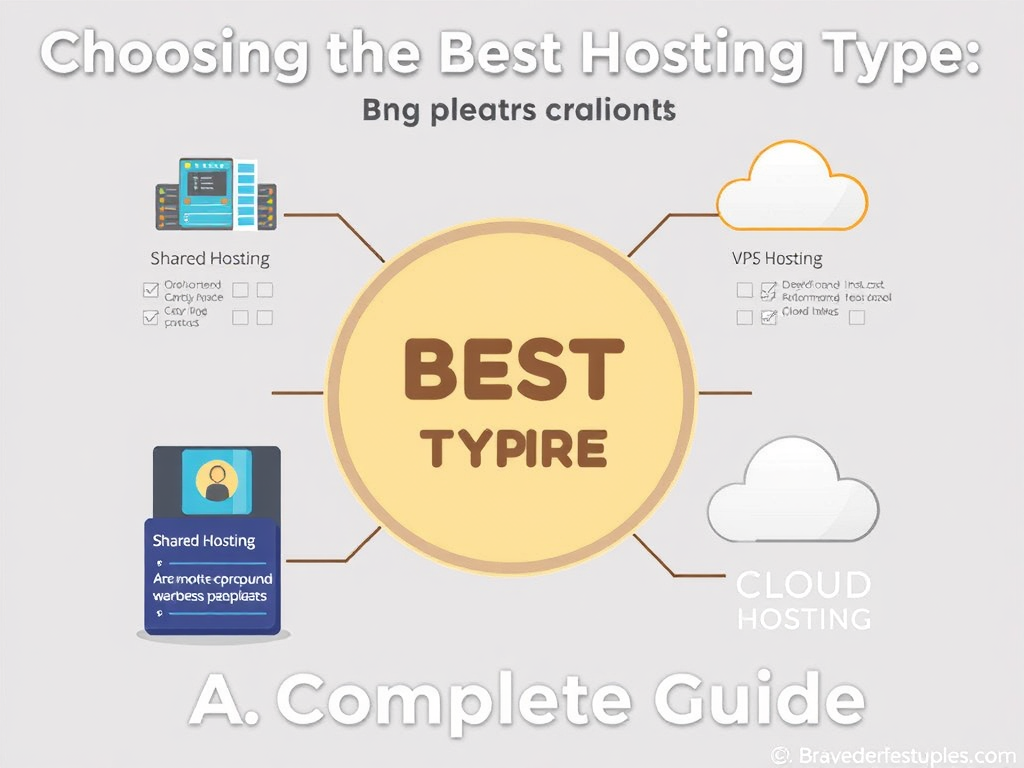
In this section, we’ll look at the major hosting types—Shared Hosting, VPS Hosting, Dedicated Hosting, and Cloud Hosting—exploring what makes each ideal in certain scenarios, and what to keep in mind when choosing between them.
Shared Hosting
Shared hosting is the most affordable and beginner-friendly option. Multiple websites share one server’s resources—CPU, RAM, and storage—keeping costs low. This plan is ideal for personal websites, small blogs, or startups that don’t yet generate heavy traffic. It typically includes easy site management via cPanel or Plesk and one-click installation tools for WordPress or Joomla.
However, resource sharing can lead to slower speeds if your “neighboring” sites experience spikes in traffic. This limitation can become an issue as your audience grows or if your site features resource-heavy media. Despite this, it remains an entry-level favorite because it offers a simple gateway to going online without overwhelming costs or complexity.
Key takeaways:
- Best for small websites or blogs with low traffic
- Low cost and easy setup
- Limited scalability and shared resources may affect performance
VPS (Virtual Private Server) Hosting
VPS hosting bridges the gap between cost-efficiency and performance. With a VPS, one physical server is divided into several virtual machines, each acting like a dedicated server with its own operating system and resources. This setup is perfect for medium-sized businesses or e-commerce sites that need reliable uptime without the financial strain of a dedicated server.
Websites that outgrow the limitations of shared hosting often transition to VPS. According to Statista, VPS hosting services have grown 12% year-over-year, reflecting how businesses prioritize performance and control. The enhanced flexibility enables custom configurations, improved security, and isolated environments, ensuring your website isn’t affected by neighboring traffic surges.
Key takeaways:
- Ideal for growing businesses needing more power and control
- Offers scalability and improved performance compared to shared hosting
- Requires basic server management knowledge
Cloud Hosting
Cloud hosting has gained popularity due to its scalability and reliability. Instead of depending on a single server, your website is hosted on a network of connected servers, ensuring uptime even if one server fails. For rapidly growing websites or applications with variable traffic, this elasticity provides a huge performance advantage.
A well-documented example is Spotify, which migrated much of its infrastructure to Google Cloud to enable efficient resource scaling. This transition allowed them to handle spikes in user activity without affecting load times or music streaming quality. Cloud hosting is particularly beneficial for tech startups and SaaS platforms that experience unpredictable workloads.
Key takeaways:
- Excellent for scalability and uptime reliability
- Pay-as-you-go model reduces wasted resources
- Requires understanding of cloud configurations
Dedicated Hosting
For large-scale enterprises or high-traffic platforms, dedicated hosting offers maximum power, control, and customization. You rent an entire physical server dedicated solely to your website, allowing complete control over hardware, software, and configurations. This ensures top-tier performance and security, making it ideal for financial institutions, media outlets, or global retailers.
As an example, BBC Online employs dedicated servers to manage massive daily traffic volumes while ensuring constant availability. Although more expensive, the investment guarantees superior performance and tight data security—critical for organizations managing sensitive user information.
Key takeaways:
- Best for high-traffic or enterprise websites
- Full control and maximum performance
- Higher cost and requires advanced technical skills
Real-Life Cases That Highlight Hosting Plan Benefits
Case studies make the advantages clearer. In one instance, a small bakery in Texas launched an online ordering system using shared hosting. Within six months, consistent orders caused slowdowns, prompting an upgrade to VPS. After transitioning, page load times improved by up to 45%, leading to better customer satisfaction and more online sales.
Similarly, a growing digital marketing agency in Berlin switched to a cloud hosting plan through AWS after frequent traffic spikes during major campaigns. This switch allowed instant resource scaling, keeping downtime near zero. The agency reported a 20% increase in client retention due to improved website stability and uptime.
Even large corporations find benefits from dedicated setups. A financial analytics firm in London utilizing Microsoft Azure Dedicated Hosts saw better control over compliance and data protection, ensuring regulatory adherence while optimizing performance under heavy query loads.
Key insights:
- Changing needs often dictate when to upgrade your hosting
- Real-life scalability and uptime directly influence business results
- Hosting decisions have measurable financial and performance impacts
Choosing the right hosting plan is less about finding the most expensive option and more about matching it to your website’s stage of growth. Beginners might start with shared hosting, while expanding businesses may prefer VPS or cloud solutions for flexibility and control. Enterprises with critical security and performance requirements can benefit most from dedicated environments.
Take time to evaluate your traffic, expected growth, and technical capacity. Reflect on what kind of control and support you truly need. The best plan for you balances reliability, scalability, and cost-efficiency—laying the foundation for your website’s long-term success and seamless user experience.

 Mini Mini | Standard | Domain Only |  Reseller 1 Reseller 1 | Reseller 2 | Reseller 3 |
| $12 per year | $9.99/month | low yearly prices | $20/month | $37.50/month | $50/month |
| *10 GB Space** *100 GB Bandwidth** *FTP access *10 email account *PHP/CGI/PERL/SSI Support *SSL | *100 GB Space** *1TB Bandwidth** *10 FTP accounts *100 email account *PHP/CGI/PERL/SSI Support *10 Databases *SSL WordPress, Joomla, or Drupal hosting | *10 Domains *10 GB Diskspace *200 GB of traffic *10 Databases *10 Mailboxes *WordPress options | *25 Domains *30 GB Diskspace *600 GB of traffic *30 Databases *30 Mailboxes *WordPress options | *50 Domains *60 GB Diskspace *1200 GB of traffic *60 Databases *60 Mailboxes *WordPress options | |
| Specials | |||||
 3 months on us. 1TB Bandwidth, FTP accounts, email accounts, PHP/CGI/PERL/SSI SupportD, Databases, Ability to add WordPress, Joomla, or Drupal. 3 months on us. 1TB Bandwidth, FTP accounts, email accounts, PHP/CGI/PERL/SSI SupportD, Databases, Ability to add WordPress, Joomla, or Drupal.
Don’t wait — grab your deal and launch today ** temporary offered | |||||
Discover more from Archer IT Solutons
Subscribe to get the latest posts sent to your email.


No responses yet