A strong online presence is essential for any small real estate company looking to attract new clients and build long-term credibility. Your website often serves as the first impression for potential buyers or sellers, so thoughtful design choices can significantly impact how users perceive your business. From visual layout and functionality to content strategy and trust indicators, every detail matters.
Designing a Real Estate Website That Builds Trust
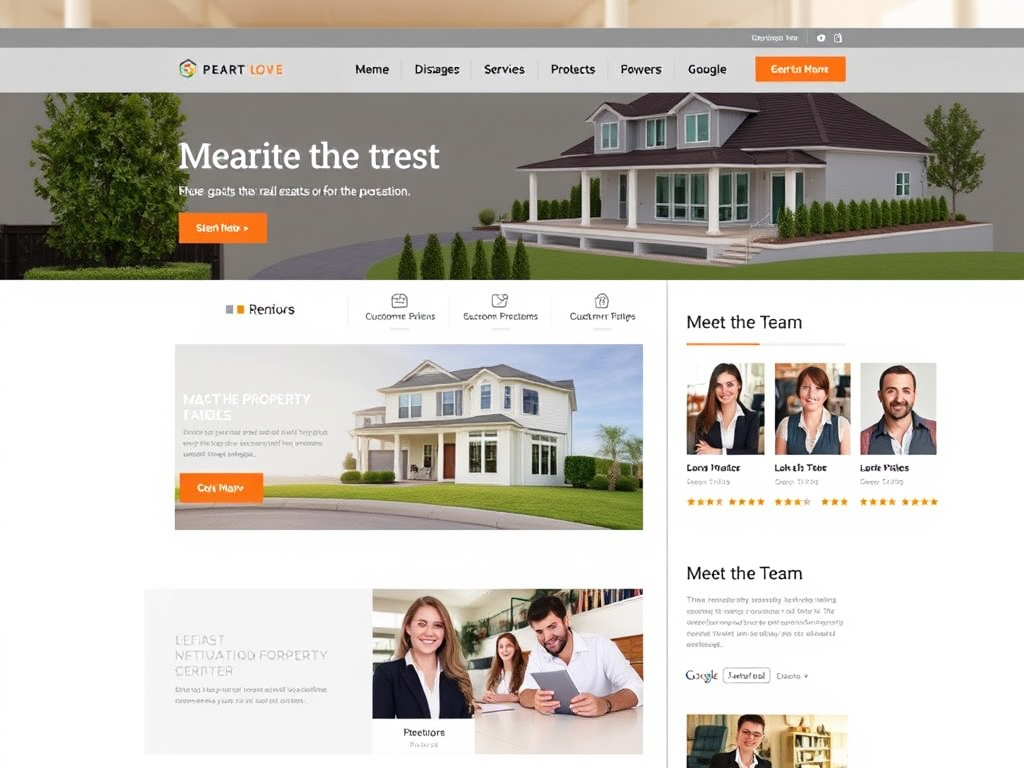
When designing a real estate website for your small business, the first thing to focus on is clarity and professionalism. A clean, visually appealing design helps visitors feel confident about your expertise. Make sure your homepage states what you do, where you operate, and whom you serve. Simple navigation menus, a consistent color palette, and high-quality images of properties can transform a generic site into a reliable real estate destination. Including authentic photos of your team or office adds a personal touch that builds local trust.
The next consideration is usability and functionality. Your site should be simple to navigate whether viewed on a desktop or mobile device. Many users now browse listings from their phones; according to Statista (2023), about 76% of real estate searches start on mobile devices. Therefore, responsive design is not optional—it’s vital. Interactive tools such as property search filters, mortgage calculators, and interactive maps can also enhance user engagement. For inspiration, you can browse examples such as Zillow’s property listing interface or the Redfin map-based search, which integrate helpful features intuitively.
Third, focus on building credibility through social proof and transparency. Include customer testimonials, Google review ratings, and clearly displayed contact details. A “Meet the Team” section can humanize your brand, while sharing local market insights through a blog or resource page positions your company as an expert. Adding trust signals such as secure HTTPS browsing and privacy assurances also reassures visitors that their data is safe.
Key Takeaways:
- Prioritize intuitive navigation and responsive design.
- Add trust elements such as testimonials and staff bios.
- Use professional visuals and up-to-date property data to instill confidence.
(Example image: A screenshot mockup of a clean, modern real estate homepage with listings, team photos, and simple navigation.)
Real-Life Case Studies: Small Firms Winning Online
One great example is GreenPoint Realty, a small firm in Austin, Texas, that revamped its website in 2022. The company focused on simplifying its home search tools and adding community guides. As a result, site visits increased by 48% within six months, and Google Analytics showed a 32% rise in returning visitors. By integrating local market data and personal stories from satisfied clients, GreenPoint established trust and saw steady growth in referral inquiries.
Another success story comes from HarborLink Properties, a boutique agency in Maine. The founders added an “About Our Roots” page that featured their history and community involvement. They also linked each property listing to neighborhood insights and nearby amenities using tools similar to Walk Score. This small change led to higher engagement times on listing pages—up by 41% after the redesign. It illustrates how thoughtful, local-focused design can directly impact client trust and conversions.
Finally, Sierra Homes Group, a modest team based in Nevada, leveraged storytelling through images and videos. They embedded high-resolution drone footage of listings and shared virtual tours hosted on Matterport, boosting online inquiries by almost 60% in a year. The site’s clean layout, minimal color scheme, and strategically placed call-to-action buttons made user journeys smoother and more rewarding for potential buyers.
Key Takeaways:
- Local authenticity can outperform generic templates.
- Storytelling through design (videos, testimonials, imagery) enhances engagement.
- Measuring results with analytics helps track real improvements.
(Example image: A before-and-after collage showing a basic site evolving into a modern, trust-filled interface.)
Designing an effective website for your small real estate company is about more than looks—it’s about building trust, improving accessibility, and reflecting your local expertise. As the examples above show, even small design changes can lead to big results in client engagement and community connection.
Take time to reflect on your company’s identity and the value you bring to clients. Does your current website convey that story clearly and confidently? Whether you start with better photos, improved search functionality, or a more transparent “About Us” page, every thoughtful step you take brings you closer to creating a site that truly supports your business goals and reputation.
Discover more from Archer IT Solutons
Subscribe to get the latest posts sent to your email.


No responses yet