Introduction to Wi-Fi and Internet Basics
In today’s digital age, understanding the distinction between Wi-Fi and the Internet is crucial for both personal and professional use. While these terms are often used interchangeably, they represent different components of our digital connectivity. Wi-Fi is a technology that allows devices to connect wirelessly to a local network, while the Internet is a vast global network that connects millions of private, public, academic, business, and government networks. Grasping the basics of each can enhance your ability to troubleshoot connectivity issues and optimize your digital experience.
Wi-Fi and the Internet are integral to our daily lives, enabling everything from streaming movies to conducting business meetings. However, confusion often arises when connectivity issues occur, leading to frustration and inefficiency. By understanding the fundamental differences between Wi-Fi and the Internet, users can better manage their digital environments. This knowledge not only empowers individuals to make informed decisions about their connectivity options but also helps in selecting the right technology to meet their specific needs.
Defining Wi-Fi: What You Need to Know
Wi-Fi, short for Wireless Fidelity, is a technology that allows electronic devices to connect to a wireless local area network (WLAN), primarily using the 2.4 GHz and 5 GHz radio bands. It is a critical component of modern connectivity, providing the convenience of wireless access to the Internet and other network resources. Wi-Fi networks are typically established using a wireless router, which transmits data between the Internet and connected devices within a certain range, usually up to 150 feet indoors and 300 feet outdoors.
Understanding Wi-Fi involves recognizing its role as a bridge between your devices and the Internet. It is important to note that Wi-Fi itself does not provide Internet access; rather, it facilitates the connection to an Internet service provider (ISP) through a modem. The quality of a Wi-Fi connection can be influenced by various factors, including the distance from the router, physical obstructions, and interference from other electronic devices. By optimizing these factors, users can enhance their Wi-Fi performance and ensure a stable and reliable connection.
Understanding the Internet’s Core Function
The Internet is a global network of interconnected computers that communicate through standardized protocols. It serves as a vast repository of information and a platform for communication, enabling users to access websites, send emails, and engage in social media. The Internet’s core function is to facilitate the exchange of data across the globe, making it possible for individuals and organizations to share information and collaborate in real-time, regardless of geographical location.
At its core, the Internet operates on a client-server model, where clients (such as web browsers) request information from servers, which then deliver the requested data. This process is made possible through a series of protocols, including the Transmission Control Protocol (TCP) and the Internet Protocol (IP), which ensure that data is transmitted accurately and efficiently. Understanding the Internet’s core function is essential for navigating the digital landscape, as it provides insight into how data is exchanged and the potential vulnerabilities that can arise in the process.
Wi-Fi vs Internet: Key Technical Differences
While Wi-Fi and the Internet are closely related, they serve distinct functions and operate on different principles. Wi-Fi is a wireless networking technology that connects devices to a local network, while the Internet is a global network that connects millions of networks worldwide. One of the key technical differences is that Wi-Fi operates within a limited range, typically confined to a specific area such as a home or office, whereas the Internet spans the entire globe, connecting users across continents.
Another significant difference lies in their infrastructure. Wi-Fi relies on wireless routers and access points to transmit data, while the Internet depends on a complex system of servers, routers, and cables to facilitate global communication. Additionally, Wi-Fi is susceptible to interference from physical obstructions and other electronic devices, which can affect its performance. In contrast, the Internet’s performance is influenced by factors such as bandwidth, latency, and network congestion. Understanding these technical differences is crucial for optimizing connectivity and troubleshooting issues effectively.
How Wi-Fi Connects You to the Internet
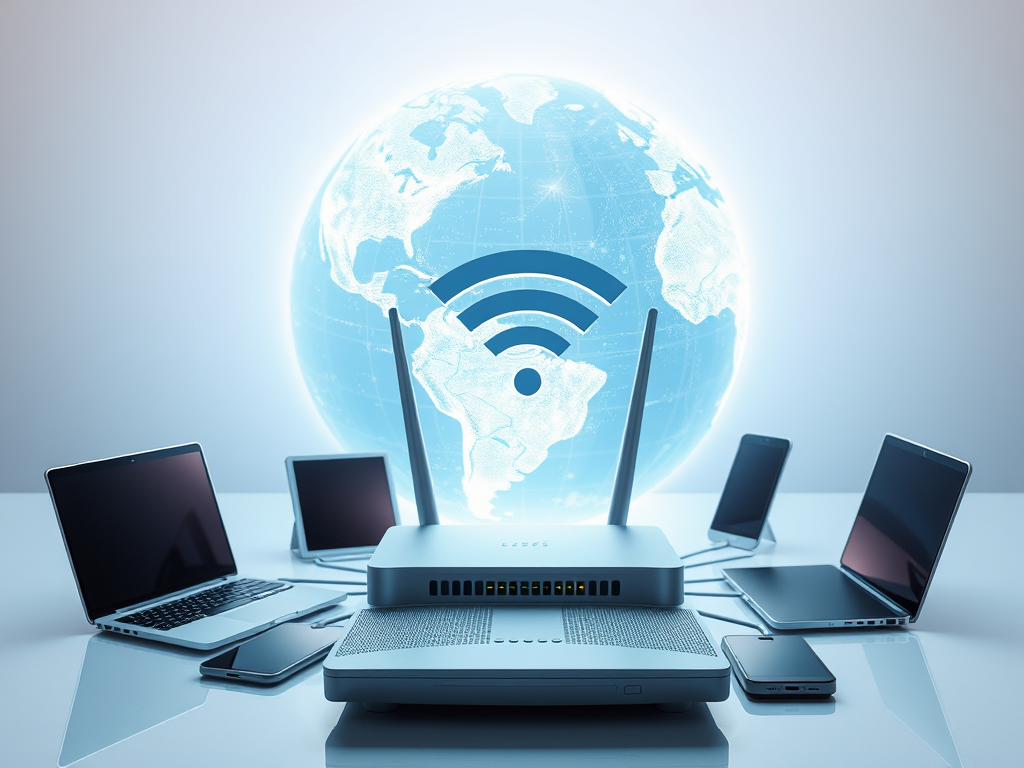
Wi-Fi serves as a conduit between your devices and the Internet, enabling wireless access to online resources. When a device connects to a Wi-Fi network, it communicates with a wireless router, which in turn connects to a modem. The modem is responsible for establishing a connection with an Internet service provider (ISP), allowing data to be transmitted between the local network and the global Internet. This process enables users to access websites, stream media, and engage in online communication without the need for physical cables.
The connection process involves several steps, starting with the device sending a request to join the Wi-Fi network. Once connected, the device is assigned an IP address, which allows it to communicate with other devices on the network and access the Internet. The router manages data traffic, ensuring that information is sent and received efficiently. By understanding how Wi-Fi connects you to the Internet, users can better manage their network settings and troubleshoot connectivity issues, ensuring a seamless online experience.
Common Misconceptions About Wi-Fi and Internet
One of the most common misconceptions about Wi-Fi and the Internet is that they are the same thing. In reality, Wi-Fi is simply a means of connecting to the Internet wirelessly, while the Internet is a vast network of interconnected computers. This misunderstanding often leads to confusion when connectivity issues arise, as users may mistakenly believe that a Wi-Fi problem is an Internet problem, or vice versa. By clarifying the distinction between the two, users can more effectively diagnose and resolve connectivity issues.
Another misconception is that a strong Wi-Fi signal guarantees fast Internet speeds. While a strong Wi-Fi signal is important for maintaining a stable connection, Internet speed is primarily determined by the bandwidth provided by the ISP. Factors such as network congestion, the number of connected devices, and the type of online activities being performed can all impact Internet speed. Understanding these nuances can help users set realistic expectations for their connectivity and make informed decisions about their network setup.
Choosing the Right Wi-Fi for Your Needs
Selecting the right Wi-Fi setup is essential for ensuring optimal connectivity and performance. When choosing a Wi-Fi router, consider factors such as coverage area, speed, and the number of devices that will be connected. For larger homes or offices, a router with a wider coverage range or the addition of Wi-Fi extenders may be necessary to ensure consistent connectivity throughout the space. Additionally, routers that support the latest Wi-Fi standards, such as Wi-Fi 6, can offer faster speeds and improved performance.
It’s also important to consider the specific needs of your household or business when selecting a Wi-Fi plan. For example, if you frequently stream high-definition video or engage in online gaming, a plan with higher bandwidth may be necessary to accommodate these activities. Conversely, if your Internet usage is primarily limited to browsing and email, a more basic plan may suffice. By carefully evaluating your needs and understanding the available options, you can choose a Wi-Fi setup that provides the best balance of performance and cost-effectiveness.
Conclusion: Navigating Wi-Fi and Internet Wisely
In conclusion, understanding the differences between Wi-Fi and the Internet is essential for navigating the digital landscape effectively. By recognizing that Wi-Fi is a technology for wireless connectivity and the Internet is a global network, users can better manage their connectivity and troubleshoot issues as they arise. This knowledge empowers individuals to make informed decisions about their network setup and optimize their online experience.
As technology continues to evolve, staying informed about the latest developments in Wi-Fi and Internet technology is crucial. By keeping abreast of new standards and advancements, users can ensure that their connectivity remains efficient and reliable. Whether for personal use or business applications, understanding the intricacies of Wi-Fi and the Internet is key to leveraging the full potential of digital connectivity and navigating the complexities of the modern digital world.
Discover more from Archer IT Solutons
Subscribe to get the latest posts sent to your email.


No responses yet