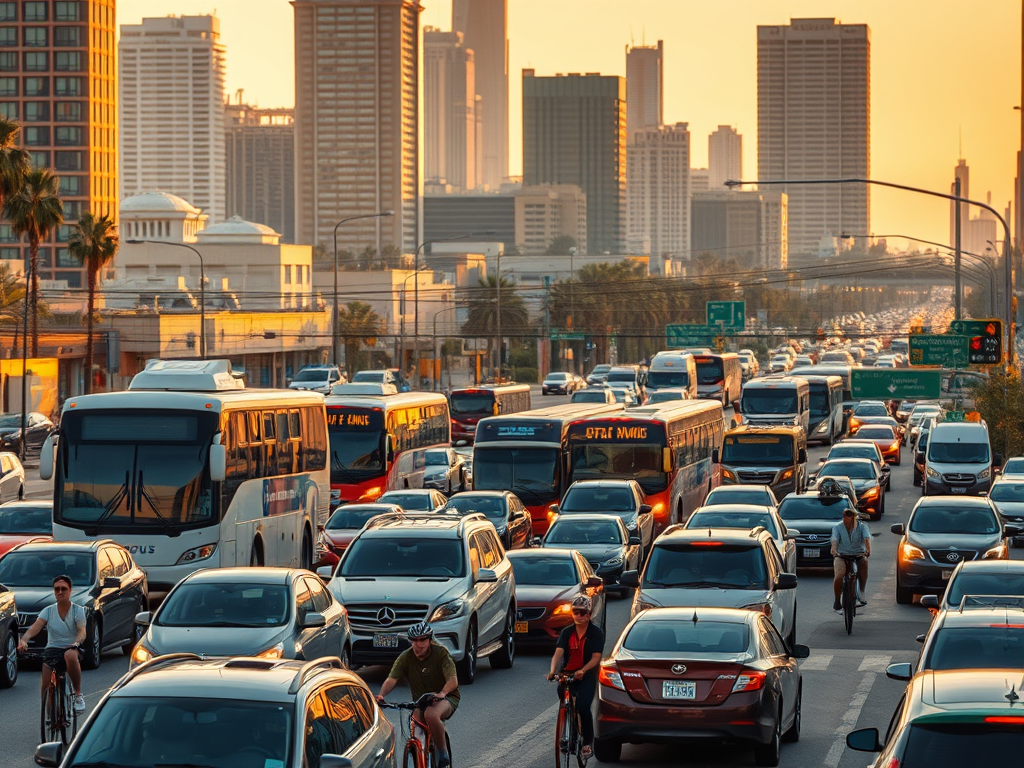
In today’s fast-paced world, traffic has become more than just a daily inconvenience—it’s a key factor shaping how we plan our time, work, and even our mental well-being. Asking the question “How much traffic do you experience now?” opens up broader discussions about modern transportation demands and the evolving ways people adapt to congestion. With evolving technologies, remote work, and smart city initiatives, our relationship with traffic is changing, often in surprising ways.
Exploring Everyday Traffic Patterns and Real Impacts
The amount of traffic you experience today depends greatly on your location, lifestyle, and work habits. Urban centers are still seeing heavy volumes during rush hours, though remote and hybrid work schedules have slightly reduced weekday congestion in some cities. For instance, data from TomTom Traffic Index 2023 shows that cities like London, Bengaluru, and Manila experience average delays of over 25–30 minutes per 30-minute trip during peak hours. Meanwhile, smaller towns or regions with developed public transit systems tend to see notably lighter traffic flows.
Traffic isn’t just a matter of frustration—it significantly impacts economic productivity and environmental health. Heavy congestion leads to wasted fuel, elevated emissions, and countless lost working hours. The INRIX 2023 Global Traffic Scorecard estimated that U.S. drivers lost an average of 51 hours due to traffic delays yearly, translating into billions in lost productivity. Beyond measurable costs, the mental drain caused by longer commutes also affects personal well-being and job satisfaction.
On the positive side, smart transportation networks and technology-driven solutions are providing new ways to anticipate and manage congestion. Tools like Google Maps’ live traffic layer and Waze crowd-sourcing help drivers select optimal routes in real time. Some cities are integrating adaptive traffic signals—systems that adjust based on actual congestion volumes recorded by sensors—to balance road use dynamically. These innovations demonstrate a growing synergy between commuters, data, and policy efforts aimed at reducing daily stress.
Key Takeaways:
- Traffic intensity varies by city, work style, and infrastructure.
- Each delay has measurable environmental and economic impacts.
- Data-driven traffic systems help mitigate congestion and burnout.
Case Studies Revealing How Traffic Shapes Daily Life
A look at individual and community experiences reveals how deeply traffic influences living patterns. For many professionals, particularly in metropolitan areas, daily traffic determines housing choices and lifestyle priorities. Take Los Angeles, for example—a city where commute times can stretch beyond 90 minutes each way. Residents report designing their days around high-traffic windows, often adjusting their work hours or opting for flexible office solutions to cope better.
In contrast, consider Copenhagen, Denmark, where over 40% of residents commute by bicycle according to Copenhagenize Index 2023. This shift has slashed vehicle congestion while improving air quality and public health. Case studies from such cities highlight the environmental, social, and mental benefits of smarter mobility options—proof that less traffic leads not only to saved time but to better quality of life overall.
Work-from-home arrangements have also redefined traffic intensity. During and after the pandemic, average vehicle counts fell drastically in major cities. A Forbes study on hybrid work found that remote employees saved an average of 72 minutes daily by avoiding commutes. These time savings have encouraged more flexible schedules, reduced road stress, and lowered fuel consumption—a sustainable shift with both personal and environmental rewards.
Key Takeaways:
- Real-world data links traffic reduction to improved public health.
- Flexible work and cycling infrastructure significantly reshape traffic flow.
- Reduced traffic fosters sustainability and improved mental well-being.

Traffic affects us all, whether we drive, ride, or walk. As you reflect on the question, “How much traffic do you experience now?”, consider not only the hours spent in congestion but also what those hours represent—lost opportunities, stress, or even creative time for reflection. Everyone’s relationship with traffic is unique, shaped by where we live and how we move through the world.
By examining data and real-life examples, it’s clear that small behavioral and policy changes—working remotely, using public transport, or supporting bike lanes—can have profound ripple effects. Encouragingly, modern tools provide insights to make our choices smarter and our commutes smoother.
Take a moment to observe your own routine: Could lighter traffic or a smarter route improve your day-to-day rhythm? Share your thoughts or experiences—every insight helps us design a future with streets that flow more freely and lives that feel less rushed.
 Mini Mini | Standard | Domain Only |  Reseller 1 Reseller 1 | Reseller 2 | Reseller 3 |
| $12 per year | $9.99/month | low yearly prices | $20/month | $37.50/month | $50/month |
| *10 GB Space** *100 GB Bandwidth** *FTP access *10 email account *PHP/CGI/PERL/SSI Support *SSL | *100 GB Space** *1TB Bandwidth** *10 FTP accounts *100 email account *PHP/CGI/PERL/SSI Support *10 Databases *SSL WordPress, Joomla, or Drupal hosting | *10 Domains *10 GB Diskspace *200 GB of traffic *10 Databases *10 Mailboxes *WordPress options | *25 Domains *30 GB Diskspace *600 GB of traffic *30 Databases *30 Mailboxes *WordPress options | *50 Domains *60 GB Diskspace *1200 GB of traffic *60 Databases *60 Mailboxes *WordPress options | |
| Specials | |||||
 3 months on us. 1TB Bandwidth, FTP accounts, email accounts, PHP/CGI/PERL/SSI SupportD, Databases, Ability to add WordPress, Joomla, or Drupal. 3 months on us. 1TB Bandwidth, FTP accounts, email accounts, PHP/CGI/PERL/SSI SupportD, Databases, Ability to add WordPress, Joomla, or Drupal.
Don’t wait — grab your deal and launch today ** temporary offered | |||||
Discover more from Archer IT Solutons
Subscribe to get the latest posts sent to your email.


No responses yet