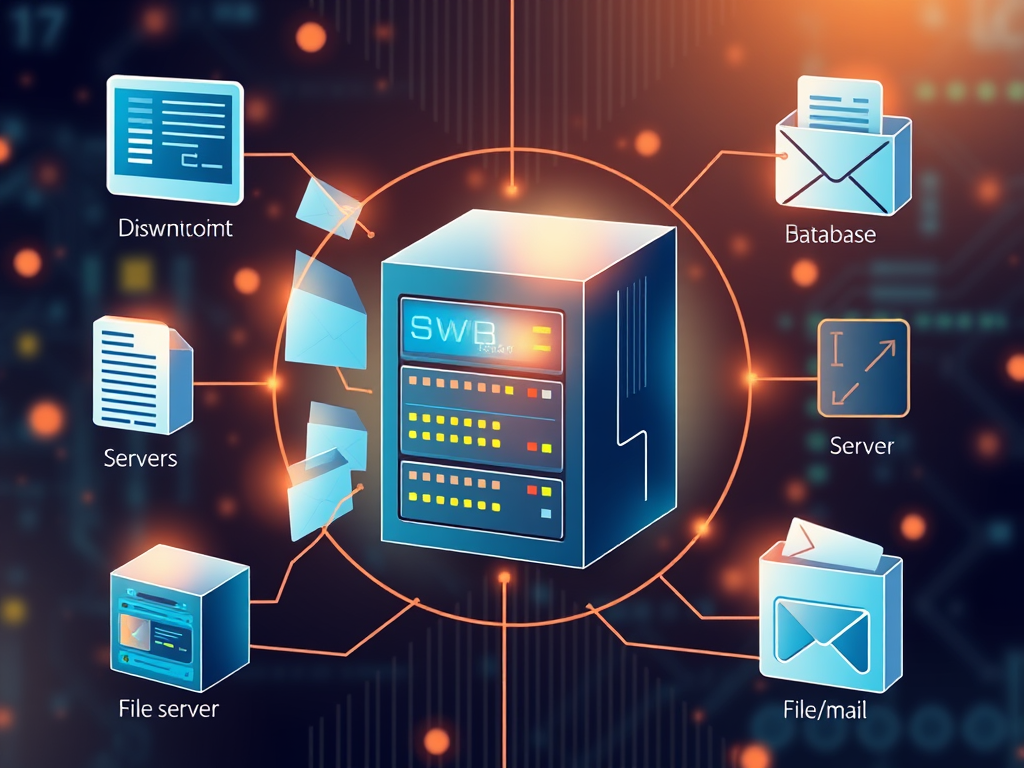
Exploring Different Types of Servers and Their Roles
The digital world runs on servers—powerful computers designed to manage, store, and deliver data. Whether you’re browsing a website, watching a video, or sending an email, a server somewhere is quietly making it all happen. Understanding the different types of servers and what services they’re best suited for can help organizations choose the right technology for their operational goals.
Web Servers
Web servers are perhaps the most familiar type. They deliver websites and web applications to users through browsers. Popular software like Apache, Nginx, and Microsoft IIS handle requests using HTTP/HTTPS protocols. These servers excel in hosting static and dynamic web pages, e-commerce sites, and cloud-based tools.
For instance, Wikipedia relies on a vast network of web servers to handle instant content delivery for millions of queries per day without downtime. Companies often choose Nginx for its ability to manage high-traffic loads efficiently—perfect for streaming platforms or online stores that can’t afford delays.
- Key takeaway: Web servers are ideal for sites requiring reliable uptime and fast content delivery.
Database Servers
Database servers store, organize, and deliver structured data to other services. Systems like MySQL, PostgreSQL, MongoDB, or Microsoft SQL Server are prime examples. These servers are critical for businesses managing customer data, financial records, or internal operations.
A practical case is Airbnb, which uses a combination of PostgreSQL and Redis to maintain real-time listing updates for millions of users. This hybrid structure allows the service to balance rapid data access with complex queries efficiently. In 2023, a Statista report found that over 70% of enterprises rely on multiple database servers for operational flexibility and performance.
- Key takeaway: Database servers power data-heavy operations, ensuring consistent access, storage, and accuracy.
File and Mail Servers
File servers are designed to store, manage, and share digital files across networks. They enable centralized storage, backup, and access control—essential for businesses handling large volumes of documents. Mail servers, on the other hand, process and deliver emails using protocols like SMTP, POP3, and IMAP.
Consider NASA’s Jet Propulsion Laboratory, which uses robust file servers to store and share large astronomical datasets between scientists worldwide. Similarly, email infrastructure like ProtonMail’s secure servers ensures encrypted communication for privacy-focused users.
- Key takeaway: File and mail servers maintain efficient collaboration and secure communications across organizations.
Real-World Examples of Servers Powering Modern Services
Cloud Servers
Cloud servers—virtualized environments hosted in data centers—enable scalable and flexible resource management. Providers like Amazon Web Services (AWS), Microsoft Azure, and Google Cloud Platform (GCP) offer virtual machines, databases, and AI tools that adapt to dynamic workloads.
A notable case study involves Zoom, which scaled rapidly during the COVID-19 pandemic by using cloud servers to handle millions of simultaneous video streams globally. Cloud-based infrastructure allowed instant scaling without physical hardware upgrades—something on-premise servers couldn’t match.
- Key takeaway: Cloud servers deliver flexibility, scalability, and quick deployment for digital-first operations.
Proxy and DNS Servers
Proxy servers act as intermediaries between users and the internet, offering privacy, caching, and content control. DNS servers, meanwhile, translate domain names into IP addresses, directing traffic efficiently to the right destinations.
Companies like Cloudflare provide DNS and proxy services that boost web security and speed while defending against DDoS attacks. In fact, Cloudflare claims to handle over 50 million HTTP requests per second, showcasing the global dependency on distributed server networks for stability.
- Key takeaway: Proxy and DNS servers enhance performance, privacy, and reliability in online services.
Application Servers
Application servers host and manage software applications, often providing an environment for complex enterprise systems. Technologies like Apache Tomcat, JBoss, and IBM WebSphere integrate backend logic with frontend interfaces for real-time user interaction.
For example, Spotify uses application servers to process recommendations and user preferences in real time. These servers communicate constantly with both databases and web servers, ensuring seamless music playback and personalized experiences.
- Key takeaway: Application servers are critical for delivering interactive, data-driven user services.
In today’s interconnected world, servers form the backbone of nearly everything we do online. From streaming services to business analytics engines, each type of server plays a specific and vital role in ensuring seamless digital experiences. As technology advances, hybrid and cloud-based models are making server management more accessible and efficient than ever.
Before choosing a server type, reflect on your organization’s needs: Do you prioritize speed, storage, or scalability? Understanding these distinctions will not only improve performance but also future-proof your digital infrastructure.

(Image source: Wikimedia Commons)
 Mini Mini | Standard | Domain Only |  Reseller 1 Reseller 1 | Reseller 2 | Reseller 3 |
| $12 per year | $9.99/month | low yearly prices | $20/month | $37.50/month | $50/month |
| *10 GB Space** *100 GB Bandwidth** *FTP access *10 email account *PHP/CGI/PERL/SSI Support *SSL | *100 GB Space** *1TB Bandwidth** *10 FTP accounts *100 email account *PHP/CGI/PERL/SSI Support *10 Databases *SSL WordPress, Joomla, or Drupal hosting | *10 Domains *10 GB Diskspace *200 GB of traffic *10 Databases *10 Mailboxes *WordPress options | *25 Domains *30 GB Diskspace *600 GB of traffic *30 Databases *30 Mailboxes *WordPress options | *50 Domains *60 GB Diskspace *1200 GB of traffic *60 Databases *60 Mailboxes *WordPress options | |
| Specials | |||||
 3 months on us. 1TB Bandwidth, FTP accounts, email accounts, PHP/CGI/PERL/SSI SupportD, Databases, Ability to add WordPress, Joomla, or Drupal. 3 months on us. 1TB Bandwidth, FTP accounts, email accounts, PHP/CGI/PERL/SSI SupportD, Databases, Ability to add WordPress, Joomla, or Drupal.
Don’t wait — grab your deal and launch today ** temporary offered | |||||
Discover more from Archer IT Solutons
Subscribe to get the latest posts sent to your email.


No responses yet