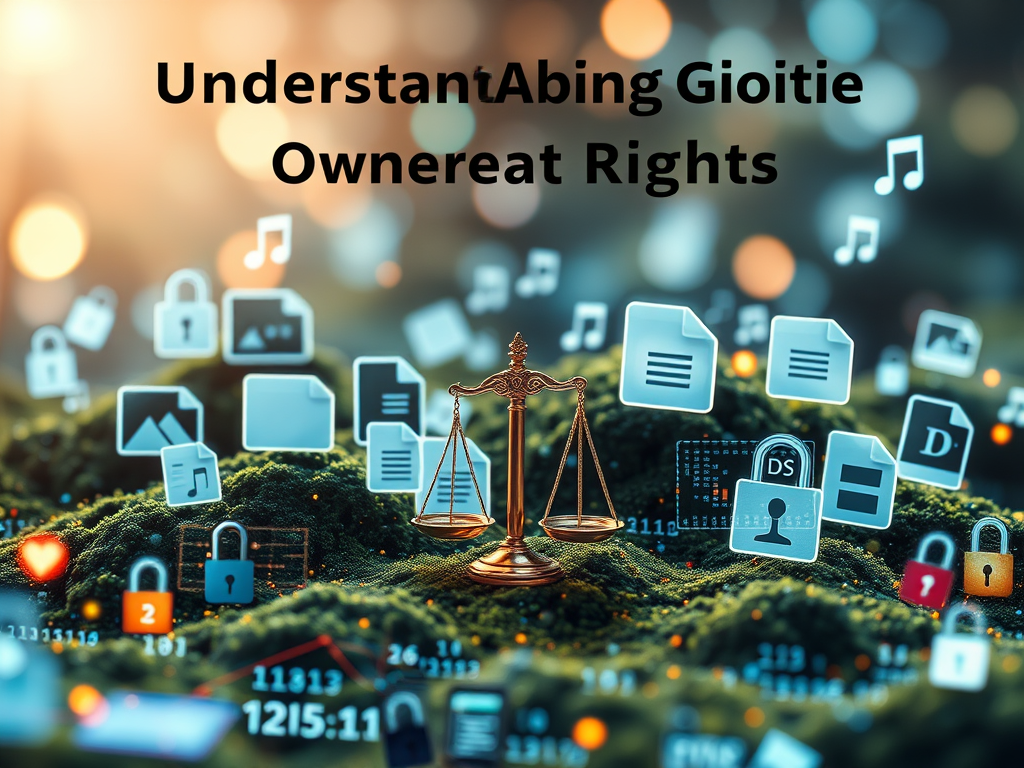
Understanding Digital Ownership Rights
In the digital age, questions of ownership and rights over digital files—whether images, music, documents, or videos—are more complex than ever. Many individuals and even businesses assume that once they download, purchase, or store a file, they automatically own it. However, the truth is much more nuanced. Understanding what you actually own versus what you have permission to use is key to avoiding legal pitfalls and ensuring ethical digital behavior.
Understanding Digital Ownership and File Rights
When you buy or download a digital file—such as a photo, a song, or software—you’re not necessarily buying the rights to that file; rather, you’re acquiring a license to use it under specific conditions. This distinction is crucial. For instance, purchasing a song through a service like Apple Music or Amazon Music doesn’t grant you the legal right to copy, distribute, or modify the track. You own the digital copy, not the creative rights behind it.
Digital ownership is governed by a web of copyright laws and licenses that determine how you may use a file. Many creators release their works under Creative Commons or royalty-free licenses—these can grant broader usage rights but still often come with conditions such as attribution. A resource like Creative Commons allows creators and users to check what’s permissible. Understanding these licenses helps users respect intellectual property while avoiding infringement claims.
For businesses, file rights are especially critical. For example, a marketing team using a stock photo from Unsplash or Pexels might assume it’s free to use anywhere. However, these images often come with limitations regarding trademarks, identifiable people, or resale. Misusing a digital file— even unintentionally—can lead to costly disputes. A 2022 Statista survey indicated that 31% of small businesses encountered copyright challenges due to unlicensed content use.
Key Takeaways:
- Purchasing or downloading a file does not equal full ownership of its rights.
- Always read license terms before use.
- Use reputable sources with clear copyright policies.
Real-World Cases That Reveal the Hidden Copyright Risks
One notable case is Agence France-Presse v. Morel (2013), where a news agency used photographer Daniel Morel’s images from Twitter without permission. The court ruled in favor of Morel, awarding him damages exceeding $1.2 million. This case underscored that even publicly accessible content is not automatically free of copyright protection.
Another example involves small businesses unknowingly violating copyright by using “free” stock images downloaded from vague sources. In 2019, a café in the UK faced legal action for using an image found through a general web search, resulting in a £5,000 settlement. Lessons from this case highlight the need for verifying licensing origins and documentation.
A positive example, however, is the growing use of licensed content marketplaces like Pixabay or Flickr Commons. These platforms allow creators to share their works under licenses that explicitly define usage boundaries. They reduce risks for users while promoting fair exposure for artists and photographers.
Key Takeaways:
- Even public or “free” content can be protected by copyright.
- Always verify the source and license before use.
- Supporting licensed content platforms benefits both creators and users.
Understanding whether you have full rights to your digital files isn’t just a legal issue—it’s an ethical and practical responsibility. The digital economy thrives on creativity, and respecting ownership safeguards that creativity for everyone. Take time to audit your digital assets, confirm license terms, and adopt best practices when acquiring media or software.
As individuals and organizations navigate this digital landscape, awareness is the first step toward compliance and respect. Ask yourself: Do I truly have the right to use this file the way I intend to? Reflecting on that question helps protect you—and the rights of the creators who make the digital world possible.
 Mini Mini | Standard | Domain Only |  Reseller 1 Reseller 1 | Reseller 2 | Reseller 3 |
| $12 per year | $9.99/month | low yearly prices | $20/month | $37.50/month | $50/month |
| *10 GB Space** *100 GB Bandwidth** *FTP access *10 email account *PHP/CGI/PERL/SSI Support *SSL | *100 GB Space** *1TB Bandwidth** *10 FTP accounts *100 email account *PHP/CGI/PERL/SSI Support *10 Databases *SSL WordPress, Joomla, or Drupal hosting | *10 Domains *10 GB Diskspace *200 GB of traffic *10 Databases *10 Mailboxes *WordPress options | *25 Domains *30 GB Diskspace *600 GB of traffic *30 Databases *30 Mailboxes *WordPress options | *50 Domains *60 GB Diskspace *1200 GB of traffic *60 Databases *60 Mailboxes *WordPress options | |
| Specials | |||||
 3 months on us. 1TB Bandwidth, FTP accounts, email accounts, PHP/CGI/PERL/SSI SupportD, Databases, Ability to add WordPress, Joomla, or Drupal. 3 months on us. 1TB Bandwidth, FTP accounts, email accounts, PHP/CGI/PERL/SSI SupportD, Databases, Ability to add WordPress, Joomla, or Drupal.
Don’t wait — grab your deal and launch today ** temporary offered | |||||
Discover more from Archer IT Solutons
Subscribe to get the latest posts sent to your email.


No responses yet