The Importance of SSL for Online Security
Every time you visit a website and notice a small padlock icon next to the URL, you’re witnessing SSL (Secure Sockets Layer) at work. SSL is one of the most fundamental technologies safeguarding data exchange on the internet. But what exactly does SSL mean, and why does it matter so much for your online safety? This article explores the concept of SSL, its importance, and some real-world examples that illustrate its role in keeping users’ information secure.
Understanding SSL and Its Importance for Online Safety
SSL stands for Secure Sockets Layer, a standard security protocol that establishes encrypted links between web servers and browsers. In simpler terms, SSL ensures that any information transferred — such as credit card details, login credentials, or personal data — remains private and integral. Developed by Netscape in the 1990s, SSL has evolved into TLS (Transport Layer Security), which is now the modern standard, though people still commonly use “SSL” to refer to it.
The main importance of SSL lies in the trust it builds. When a website uses SSL, it verifies that users are genuinely communicating with the intended domain and not an imposter. This authentication prevents “man-in-the-middle” attacks — a common hacking approach where malicious parties intercept data transmission. According to a 2023 Cybersecurity Ventures study, organizations with valid SSL/TLS certificates reported 43% fewer phishing incidents compared to those without HTTPS protection. This shows how fundamental encryption is to web trust and risk management.
Beyond encryption, SSL also improves a website’s reputation and accessibility. Major browsers such as Chrome and Firefox now mark websites without HTTPS as “Not Secure.” This not only affects user confidence but can also impact search engine rankings. Key takeaways:
- SSL encrypts the connection between a browser and a server.
- It verifies the authenticity of a website.
- It improves user trust and protects sensitive data online.
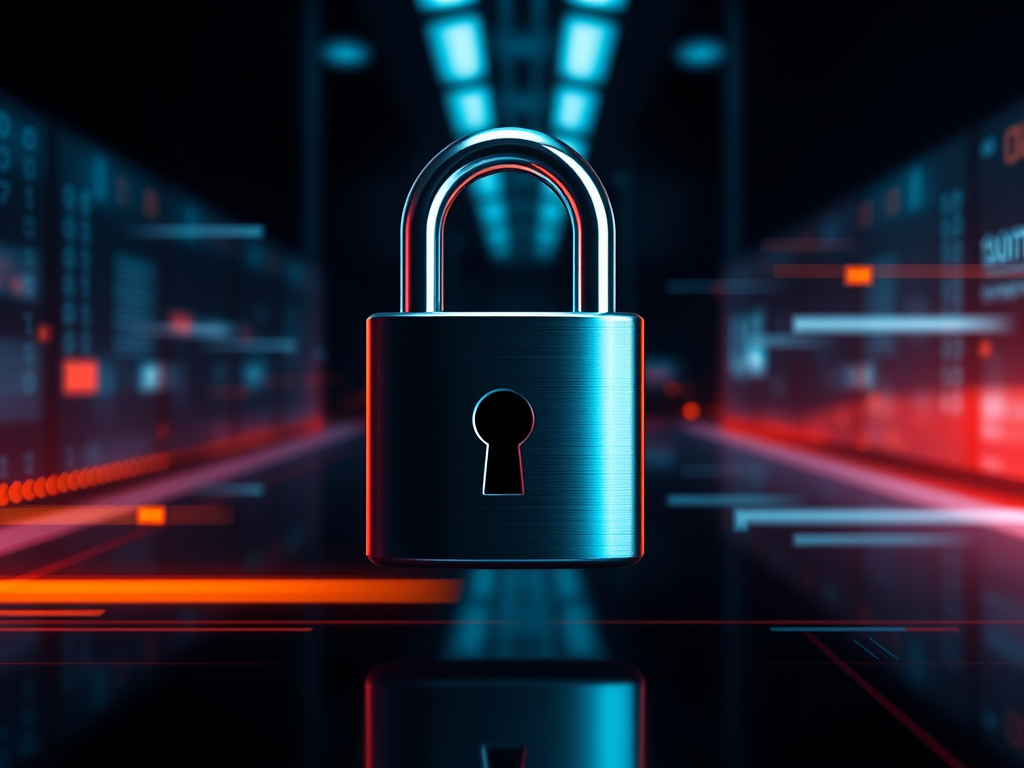
(Image: A padlock icon representing a secure website connection)
Real‑World SSL Case Studies and Practical Takeaways
A notable example of SSL’s importance can be seen with Let’s Encrypt, a nonprofit certification authority launched in 2016 to provide free SSL certificates. According to their transparency report, the number of HTTPS websites grew from 46% in 2016 to over 95% in 2023 thanks to publicly accessible SSL options. This massive shift illustrates how accessibility to encryption tools can improve the overall safety of the internet ecosystem. (Let’s Encrypt Transparency Report)
Another case involves Mozilla’s Firefox browser, which began actively warning users when entering information on non-HTTPS sites. This move resulted in a substantial behavioral shift: within six months, Mozilla reported that over 68% of users chose not to continue transactions on non-secure websites. The data proves SSL doesn’t just enhance back-end security — it also changes user decision-making and awareness of online safety practices. (Mozilla Security Blog)
Finally, small businesses implementing SSL certificates also benefit. A 2022 survey by HubSpot Research found that 84% of users would abandon a purchase if data entered on a site didn’t appear secure. For example, a boutique e-commerce store switched to HTTPS and saw a 22% increase in completed transactions within three months. Practical takeaways:
- Free SSL services like Let’s Encrypt make encryption accessible.
- Browser initiatives influence user behavior and reinforce safety.
- SSL improves conversion rates by boosting user confidence.
SSL is more than a technical feature—it’s the foundation of digital trust. From personal browsing to large-scale business operations, encrypted communication has become essential for a secure and trustworthy internet. As you navigate the web or manage your own platforms, take a moment to reflect: does your site project the trust and security users expect today? By ensuring that SSL, or its modern form TLS, is properly implemented, you not only protect data but also build confidence in every online interaction.
 Mini Mini | Standard | Domain Only |  Reseller 1 Reseller 1 | Reseller 2 | Reseller 3 |
| $12 per year | $9.99/month | low yearly prices | $20/month | $37.50/month | $50/month |
| *10 GB Space** *100 GB Bandwidth** *FTP access *10 email account *PHP/CGI/PERL/SSI Support *SSL | *100 GB Space** *1TB Bandwidth** *10 FTP accounts *100 email account *PHP/CGI/PERL/SSI Support *10 Databases *SSL WordPress, Joomla, or Drupal hosting | *10 Domains *10 GB Diskspace *200 GB of traffic *10 Databases *10 Mailboxes *WordPress options | *25 Domains *30 GB Diskspace *600 GB of traffic *30 Databases *30 Mailboxes *WordPress options | *50 Domains *60 GB Diskspace *1200 GB of traffic *60 Databases *60 Mailboxes *WordPress options | |
| Specials | |||||
 3 months on us. 1TB Bandwidth, FTP accounts, email accounts, PHP/CGI/PERL/SSI SupportD, Databases, Ability to add WordPress, Joomla, or Drupal. 3 months on us. 1TB Bandwidth, FTP accounts, email accounts, PHP/CGI/PERL/SSI SupportD, Databases, Ability to add WordPress, Joomla, or Drupal.
Don’t wait — grab your deal and launch today ** temporary offered | |||||
Discover more from Archer IT Solutons
Subscribe to get the latest posts sent to your email.


No responses yet