How TCP/IP Networks Connect with the OSI Model Concepts
Understanding how TCP/IP networks relate to the OSI (Open Systems Interconnection) model is a foundational concept for any network professional or business that depends on reliable IT infrastructure. While the OSI model provides a theoretical structure for understanding how data flows across a network, the TCP/IP model focuses on practical implementation. In this article, we’ll explore how these two frameworks connect, how they impact troubleshooting, and how businesses—especially small and medium-sized enterprises—can use this knowledge to optimize their systems with the help of trusted partners like Archer IT Solutions.
Mapping TCP/IP Layers to OSI Model Principles

Illustration of OSI Model Layers and TCP/IP correlation.
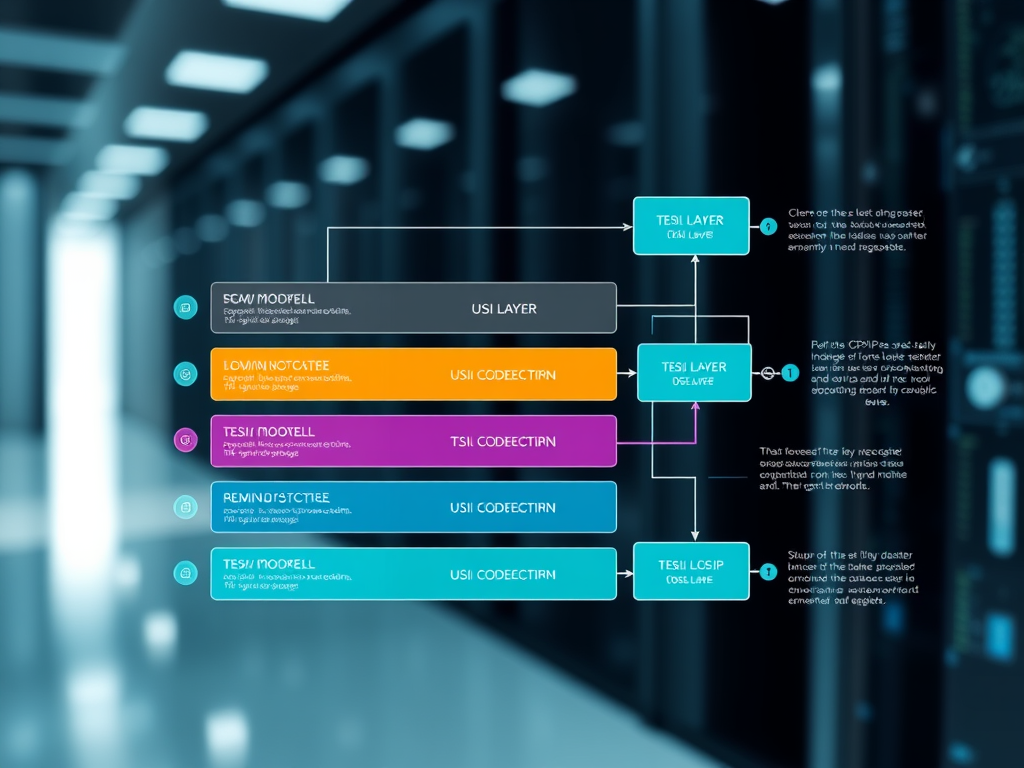
The OSI model divides network communication into seven layers—from the physical movement of bits at the Physical layer to user-facing applications at the Application layer. Conversely, TCP/IP simplifies this structure into four main layers: Network Interface, Internet, Transport, and Application. Each TCP/IP layer roughly corresponds to multiple OSI layers. For instance, the TCP/IP Application layer covers OSI layers 5–7, while the Internet layer aligns with OSI’s Network layer.
This correlation matters because it helps engineers pinpoint where data flow issues occur. For example, if a web page isn’t loading due to a DNS error, the problem likely lies in the Application or Internet layer. When organizations understand this mapping, they can troubleshoot faster and reduce downtime—something particularly vital for those managing WordPress hosting or online e-commerce platforms.
Pros and Cons:
- Pros: Simpler in practice, easily implemented, scalable for the internet.
- Cons: Less detailed than the OSI model, leading to ambiguity in troubleshooting.
Knowing these nuances empowers IT teams or local IT support providers like Archer IT Solutions to blend conceptual clarity with real-world application when managing infrastructures.
Practical Insights for Troubleshooting Network Issues

Diagram showing TCP/IP troubleshooting workflow.
In day-to-day operations, network troubleshooting often involves inspecting which layer of the OSI or TCP/IP model a problem originates in. For instance, if a file transfer fails, an engineer may start at the Transport layer (checking TCP connections) before moving down to the Network layer (examining IP routes). Archer IT Solutions uses this systematic approach to diagnose connection failures, packet loss, or configuration errors efficiently.
Real-world example: a client hosting WordPress sites experienced intermittent packet loss affecting site performance. By applying OSI-TCP/IP mapping, engineers isolated the issue to the Internet layer—specifically, a misconfigured default gateway—saving the client hours of downtime and improving site reliability.
For teams without a dedicated IT staff, Managed IT Services from Archer IT Solutions provide continuous monitoring and response to such issues before they escalate. This proactive approach combines monitoring, incident response, and device management, ensuring your business enjoys seamless connectivity, robust web hosting, and stable remote collaboration.
Troubleshooting Tips
- Ping and Traceroute: Check connectivity between devices (Network and Internet layers).
- Check Application Ports: Ensure correct ports for HTTP, FTP, or SMTP services are open.
- DNS Diagnosis: Verify hostnames resolve correctly—critical for website and email services.
- Use Packet Analyzers: Tools like Wireshark visualize data flow across layers for deeper analysis.
- Engage Local IT Support: If the problem persists, contact Archer IT Solutions Onsite Service or email support@archer-its.com.
External Educational Resource
For further reading on OSI and TCP/IP models, visit Cisco’s Networking Basics Guide. It offers detailed visual breakdowns and troubleshooting insights that complement the concepts discussed here.
Call to Action
- Get a Free IT Consultation for managed, remote, or onsite IT services at Archer IT Solutions.
- Enjoy our 15-day refund policy for Web Hosting through Archer Web Hosting.
- Email your general questions to info@archer-its.com.
The relationship between TCP/IP and the OSI model bridges the gap between theory and practice, providing a roadmap for understanding how data moves across a network. By grasping how these models relate, businesses can better troubleshoot, plan, and scale their infrastructure. Combining this knowledge with reliable partners like Archer IT Solutions ensures that your systems remain fast, secure, and responsive—whether you’re managing a growing web hosting environment or need responsive local IT support to keep operations steady.


No responses yet