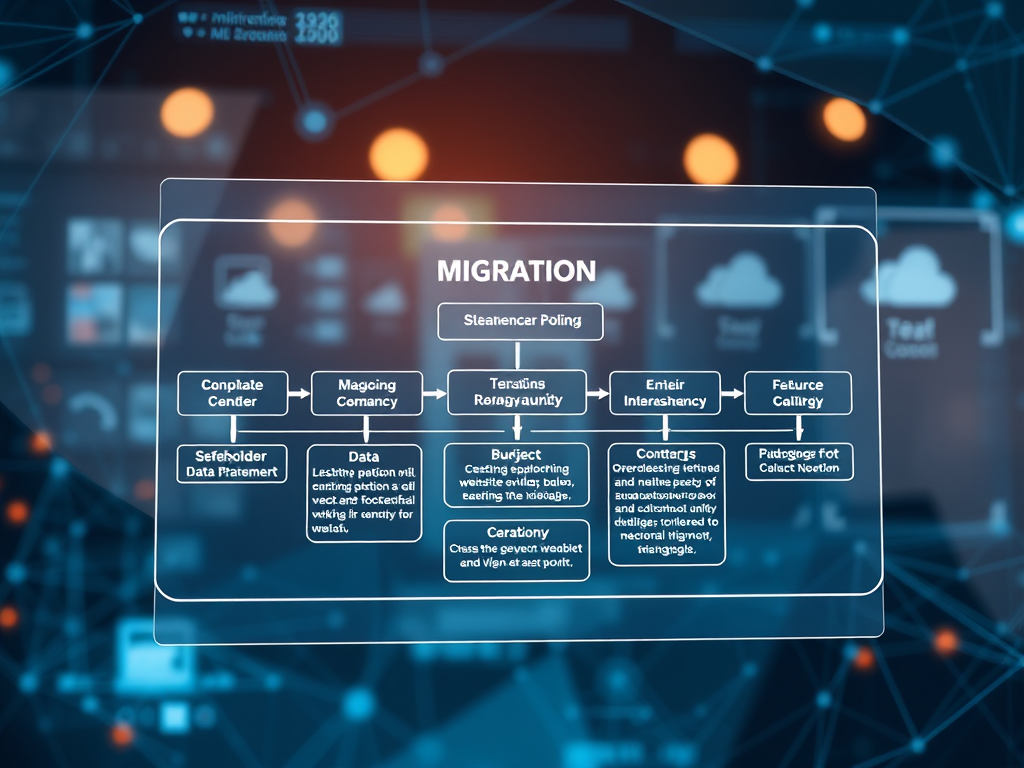
Understanding Website Migration Policies
Website migration policies are essential frameworks that guide the process of transferring a website from one environment to another. These policies encompass a range of considerations, including technical, financial, and operational aspects, ensuring that the migration is executed smoothly and efficiently. A well-defined migration policy outlines the steps involved in the migration process, identifies the stakeholders responsible for each task, and establishes a timeline for completion. By having a structured approach, organizations can mitigate risks associated with migrations, such as data loss, downtime, and unexpected costs.
In addition to providing a roadmap for the migration process, these policies serve as a communication tool among various departments and stakeholders. They ensure that everyone involved is aware of their roles and responsibilities, which is crucial for maintaining coordination and minimizing disruptions. Furthermore, a comprehensive migration policy can help organizations anticipate potential challenges and develop contingency plans to address them. This proactive approach not only enhances the efficiency of the migration process but also contributes to the overall stability and performance of the website post-migration.
Key Factors in Migration Cost Analysis
When evaluating the costs associated with website migration, several key factors must be considered. First and foremost, the complexity of the website plays a significant role in determining the overall cost. Websites with intricate architectures, numerous integrations, and large volumes of data typically require more resources and time to migrate, leading to higher costs. Additionally, the choice of hosting environment and the need for new hardware or software can further impact the financial outlay.
Another critical factor in migration cost analysis is the expertise required to execute the migration successfully. Hiring skilled professionals or engaging with third-party service providers can add to the expenses, but their expertise is often invaluable in ensuring a smooth transition. Moreover, organizations must account for potential hidden costs, such as those arising from unforeseen technical issues or extended downtime. By conducting a thorough cost analysis, businesses can allocate resources more effectively and avoid budget overruns during the migration process.
Assessing Potential Downtime Risks
Downtime is a significant concern during website migrations, as it can lead to lost revenue, decreased user satisfaction, and damage to the organization’s reputation. To assess potential downtime risks, organizations must first evaluate the criticality of their website’s functions and the impact of downtime on their operations. This involves identifying which components of the website are essential for business continuity and determining the acceptable level of downtime for each.
Once the critical components are identified, organizations can develop strategies to minimize downtime during the migration process. This may include scheduling migrations during off-peak hours, implementing temporary solutions to maintain functionality, or utilizing redundant systems to ensure continuity. Additionally, conducting thorough testing and simulations prior to the actual migration can help identify potential issues and allow for the development of contingency plans. By proactively assessing and addressing downtime risks, organizations can minimize disruptions and maintain a positive user experience.
Benefits of Having a Migration Policy
Implementing a migration policy offers numerous benefits, including improved planning and execution of the migration process. A well-defined policy provides a clear framework for the migration, ensuring that all stakeholders are aligned and aware of their responsibilities. This alignment reduces the likelihood of miscommunication and errors, leading to a more efficient and successful migration. Additionally, a migration policy helps organizations anticipate potential challenges and develop strategies to address them, reducing the risk of unexpected issues arising during the migration.
Another significant benefit of having a migration policy is the ability to maintain business continuity and minimize disruptions. By outlining procedures for managing downtime and ensuring data integrity, organizations can protect their operations and maintain a positive user experience. Furthermore, a migration policy can serve as a valuable reference for future migrations, providing insights and lessons learned that can be applied to subsequent projects. Overall, a migration policy enhances the organization’s ability to manage change effectively and supports the long-term success of the website.
Cost-Benefit Analysis of Migrations
Conducting a cost-benefit analysis is a crucial step in evaluating the feasibility of a website migration. This analysis involves comparing the costs associated with the migration, such as technical resources, personnel, and potential downtime, against the anticipated benefits, such as improved performance, enhanced security, and increased scalability. By quantifying these factors, organizations can make informed decisions about whether the migration is a worthwhile investment.
In addition to financial considerations, a cost-benefit analysis should also take into account qualitative factors, such as the impact on user experience and brand reputation. For example, a successful migration that results in faster load times and improved functionality can enhance user satisfaction and strengthen the organization’s competitive position. Conversely, a poorly executed migration that leads to extended downtime or data loss can have negative repercussions. By thoroughly evaluating both the quantitative and qualitative aspects of the migration, organizations can make strategic decisions that align with their long-term goals.
Strategies to Minimize Downtime
Minimizing downtime during a website migration is critical to maintaining business continuity and user satisfaction. One effective strategy is to conduct the migration in phases, allowing for incremental changes and reducing the risk of widespread disruptions. This approach enables organizations to test each phase thoroughly before proceeding to the next, ensuring that any issues are identified and resolved promptly.
Another strategy to minimize downtime is to implement a robust backup and recovery plan. By regularly backing up data and having a clear recovery process in place, organizations can quickly restore functionality in the event of an unexpected issue. Additionally, utilizing load balancing and redundant systems can help distribute traffic and maintain performance during the migration. By employing these strategies, organizations can reduce the impact of downtime and ensure a smoother transition.
Evaluating Long-Term Migration Impacts
Evaluating the long-term impacts of a website migration is essential for understanding its overall success and identifying areas for improvement. This evaluation involves assessing the performance and functionality of the website post-migration, as well as monitoring user feedback and engagement metrics. By analyzing these factors, organizations can determine whether the migration has achieved its intended objectives and identify any areas that require further optimization.
In addition to performance metrics, organizations should also consider the long-term implications of the migration on their infrastructure and operations. This includes evaluating the scalability and flexibility of the new environment, as well as the ongoing maintenance and support requirements. By understanding these long-term impacts, organizations can make informed decisions about future migrations and ensure that their website remains aligned with their strategic goals.
Best Practices for Policy Implementation
Implementing a website migration policy requires careful planning and execution to ensure its effectiveness. One best practice is to involve all relevant stakeholders in the development of the policy, including IT, marketing, and customer service teams. This collaborative approach ensures that the policy addresses the needs and concerns of all departments and promotes buy-in from key stakeholders.
Another best practice is to regularly review and update the migration policy to reflect changes in technology, business objectives, and industry standards. By keeping the policy current, organizations can ensure that it remains relevant and effective in guiding future migrations. Additionally, providing training and resources to employees involved in the migration process can enhance their understanding of the policy and improve its implementation. By following these best practices, organizations can develop a robust migration policy that supports successful website transitions.
 Mini Mini | Standard | Domain Only |  Reseller 1 Reseller 1 | Reseller 2 | Reseller 3 |
| $12 per year | $9.99/month | low yearly prices | $20/month | $37.50/month | $50/month |
| *10 GB Space** *100 GB Bandwidth** *FTP access *10 email account *PHP/CGI/PERL/SSI Support *SSL | *100 GB Space** *1TB Bandwidth** *10 FTP accounts *100 email account *PHP/CGI/PERL/SSI Support *10 Databases *SSL WordPress, Joomla, or Drupal hosting | *10 Domains *10 GB Diskspace *200 GB of traffic *10 Databases *10 Mailboxes *WordPress options | *25 Domains *30 GB Diskspace *600 GB of traffic *30 Databases *30 Mailboxes *WordPress options | *50 Domains *60 GB Diskspace *1200 GB of traffic *60 Databases *60 Mailboxes *WordPress options | |
| Specials | |||||
 3 months on us. 1TB Bandwidth, FTP accounts, email accounts, PHP/CGI/PERL/SSI SupportD, Databases, Ability to add WordPress, Joomla, or Drupal. 3 months on us. 1TB Bandwidth, FTP accounts, email accounts, PHP/CGI/PERL/SSI SupportD, Databases, Ability to add WordPress, Joomla, or Drupal.
Don’t wait — grab your deal and launch today ** temporary offered | |||||
Discover more from Archer IT Solutons
Subscribe to get the latest posts sent to your email.


No responses yet