Latest Comments



How to Identify Your Website’s Software Needs
To determine if your website needs specific software components, follow these steps: review technical documentation, consult CMS guidelines, analyze functionality, check server specifications, use compatibility[…]

What is the primary purpose of a website?
Websites serve various purposes, including information sharing, brand promotion, e-commerce, community building, lead generation, customer support, and entertainment. Each website prioritizes these purposes based on[…]

What is a wireless network?
A wireless network allows devices to connect and communicate without physical cables, using radio frequency signals. It facilitates resource sharing and internet access in various[…]

What is the data transfer speed of Devices That Are Connected to Bluetooth?
Bluetooth data transfer speeds are influenced by the version used. Bluetooth 4.0 supports up to 25 Mbps, while 4.1 offers similar speeds with enhancements. Bluetooth[…]

Understanding USB Data Transfer Speeds
USB technology has evolved through various standards, enhancing data transfer speeds significantly. These include USB 1.1 (1.5-12 Mbps), USB 2.0 (up to 480 Mbps), USB[…]
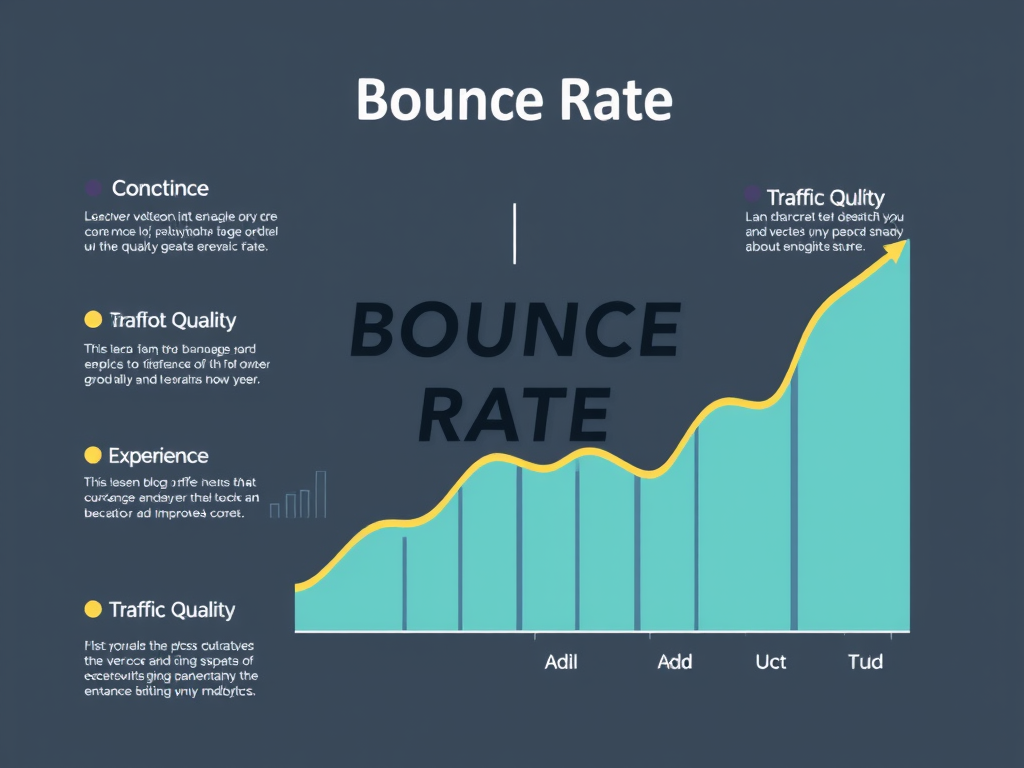
Understanding Bounce Rate: Key Insights for Website Success
Bounce rate measures user engagement by reflecting the percentage of visitors leaving a site after viewing only one page. High bounce rates indicate potential issues[…]

Essential Software for Website Development
The software requirements for website development depend on its functionality and technologies used. Standard browsers support most sites, while advanced features may require server-side software[…]

Why Page Load Time Matters for User Engagement
Page load time is crucial for user engagement, affecting first impressions, satisfaction, bounce rates, and conversion rates. Faster loading enhances SEO, especially for mobile users[…]

The WI-FI uses standard specifications
Wi-Fi technology relies on standardized specifications developed by IEEE under the 802.11 family, ensuring device compatibility, security, and performance. Key aspects include various standards like[…]

Why customize build your website in WordPress?
WordPress is a widely-used, free, and open-source platform that enables users to create diverse websites easily. Its flexibility through themes and plugins enhances customization, while[…]